























Nasi Lemak Malaysia’s Beloved National Dish of Comfort and Flavor
Dec 30, 2025
Ritik Rana
Introduction
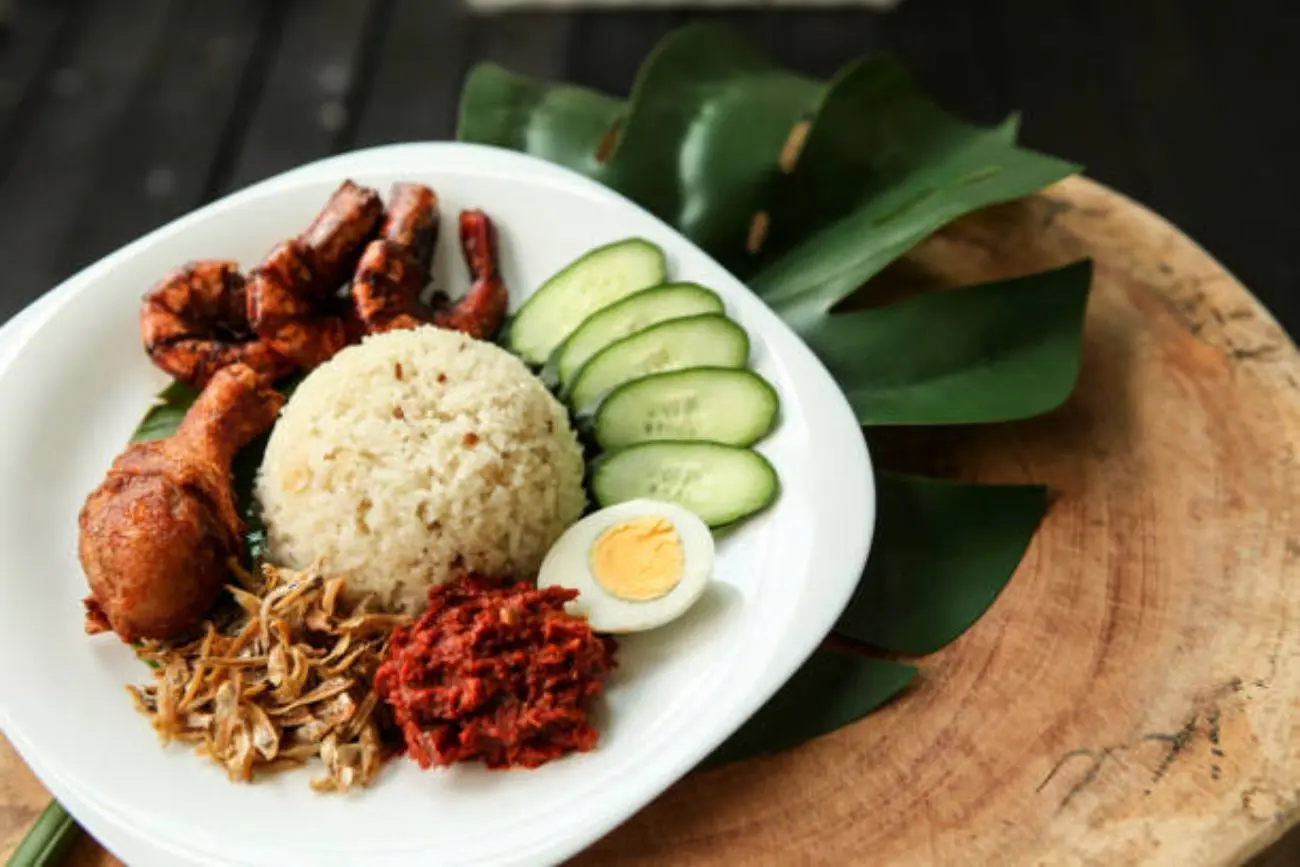
Nasi Lemak is widely regarded as the national dish of Malaysia and is one of the most loved meals across the country. Simple yet deeply flavorful, this iconic dish is built around coconut milk rice served with a variety of traditional accompaniments. From roadside stalls and hawker centers to family kitchens and high-end restaurants, Nasi Lemak is enjoyed by people from all walks of life at any time of day.
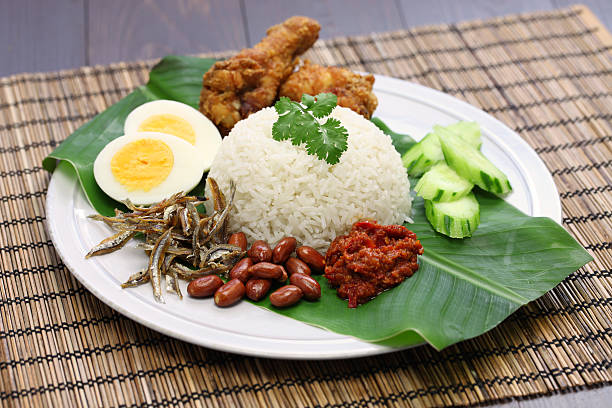
What makes Nasi Lemak truly special is its comforting nature. The fragrant rice, combined with spicy sambal and contrasting textures, creates a dish that feels both hearty and satisfying. For many Malaysians, Nasi Lemak is more than just food—it is a part of daily life and cultural identity.
What Makes Malaysian Nasi Lemak Special
At the heart of Nasi Lemak is the coconut rice, gently cooked with coconut milk and pandan leaves. This gives the rice a rich aroma and subtle sweetness that forms the foundation of the dish. The rice is then paired with sambal, a spicy chili paste that adds depth, heat, and complexity.
The beauty of Nasi Lemak lies in its balance. Each element has a purpose—the richness of the rice, the heat of the sambal, the crunch of peanuts, and the saltiness of anchovies all come together harmoniously. This balance is what makes Nasi Lemak comforting yet exciting with every bite.
Ingredients Used in Nasi Lemak
Coconut Rice
Rice is cooked with coconut milk, water, and pandan leaves.
Tip: Pandan leaves add a signature aroma that defines authentic Nasi Lemak.
Sambal
A chili paste made from dried chilies, onions, garlic, shrimp paste, and tamarind.
Tip: Sambal should be spicy but slightly sweet to balance the richness of the rice.
Anchovies
Small dried anchovies are fried until crisp.
Tip: Fry anchovies on low heat to prevent bitterness.
Peanuts
Raw peanuts are fried or roasted until crunchy.
Tip: Peanuts add texture and a mild nutty flavor to the dish.
Eggs
Hard-boiled eggs are traditionally served alongside.
Tip: Slice eggs just before serving for a clean presentation.
Optional Proteins
Fried chicken, beef rendang, squid sambal, or fried fish are common additions.
How Nasi Lemak Is Made
Step 1: Cook the Coconut Rice
The rice is washed and cooked with coconut milk, water, pandan leaves, and a pinch of salt. It should be fluffy, fragrant, and rich without being oily.
Step 2: Prepare the Sambal
Chilies, onions, and garlic are blended and slowly cooked in oil. Shrimp paste, tamarind, and sugar are added, and the sambal is simmered until thick and aromatic.
Step 3: Fry the Anchovies and Peanuts
Anchovies and peanuts are fried separately until crisp and golden. They are then drained and set aside.
Step 4: Assemble the Dish
A portion of coconut rice is placed on a plate, topped with sambal, anchovies, peanuts, sliced egg, and optional proteins.
Step 5: Serve
Nasi Lemak is traditionally served warm, often wrapped in banana leaves for extra aroma.
What to Serve with Nasi Lemak
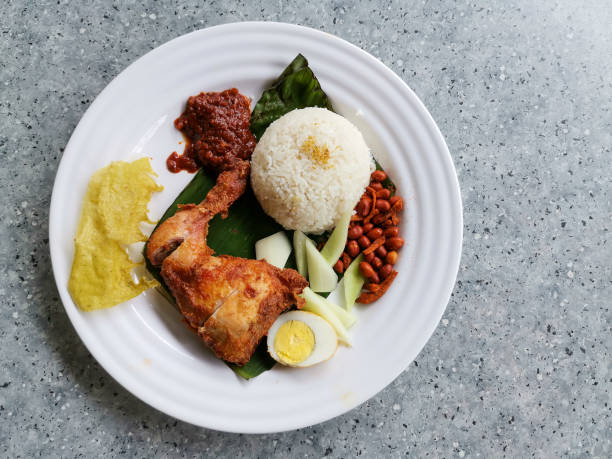
Nasi Lemak is commonly enjoyed with:
• Fried chicken or spicy sambal chicken
• Beef rendang for richness
• Fresh cucumber slices for balance
• Iced tea or kopi (local coffee)
It is equally popular as a breakfast meal or a hearty lunch or dinner.
Tips for the Best Nasi Lemak
• Use good-quality coconut milk for richer rice
• Do not overpower the rice with too much sambal
• Balance spicy, salty, and sweet flavors
• Serve all components fresh for best taste
Nasi Lemak perfectly represents Malaysian cuisine—rich, bold, comforting, and full of character. With its fragrant rice and vibrant accompaniments, it continues to be a timeless favorite that brings people together and tells the story of Malaysia through every delicious bite.

Malaysia
Latest Blogs

30 Hidden Beaches in Sri Lanka

13 Best Sunset Points in Sri Lanka (2026 Guide)

25 Photos That Will Make You Want to Visit Sri Lanka Right Now

7 Underrated Weekend Getaways Near Colombo

10 Budget-Friendly Cities in Sri Lanka

30 Hidden Beaches in the USA

13 Best Sunset Points in the USA (2026 Guide)

Hostel vs Hotel vs Airbnb in USA: What Is Really Cheaper in 2026?

25 Photos That Will Make You Want to Visit the USA Right Now

7 Underrated Weekend Getaways Near Chicago

10 Budget-Friendly Cities in the USA You Can Visit This Year

7 Days in Sri Lanka: The Ultimate Itinerary (2026 Guide)

7 Days in Switzerland: The Ultimate Itinerary (2026 Guide)

7 Days in UAE: The Ultimate Itinerary (2026 Guide)

7 Days in Germany: The Ultimate Itinerary (2026 Guide)

7 Days in Hong Kong: The Ultimate Itinerary (2026 Guide)

Sri Lanka for First-Time Visitors: Complete Travel Guide 2026
Why Italy Is the Ultimate European Vacation for Americans

Best Beaches in India

Best National Parks in Sri Lanka for Wildlife & Safaris

Best Places to Visit in Sri Lanka

Explore India’s Tropical Escapes: Goa, Kerala & Andaman

Visit India’s Iconic Landmarks: Taj Mahal & More

7 Best Summer Travel Destinations in India

Small Italian Towns That Make You Fall in Love With Italy

Experiencing Maori Culture as a Respectful Traveler

Traveling Spain by Train vs Renting a Car
Eating in Italy: Lessons About Food, Time & Culture

Small Towns in New Zealand: A Unique Travel Experience

Exploring Southern Spain’s White Villages: Travel Guide

Traveling Italy Slowly: Fewer Cities, Better Experiences

Driving New Zealand’s Scenic Roads Without Rushing the Trip

Living on Spanish Time: How Slow Days Change Travel

Italy Beyond Rome & Venice: Cities That Truly Surprised Me

New Zealand Without Adrenaline: A Calm Way to Explore

Spain Beyond Barcelona & Madrid: Cities That Feel Authentic

Winter Travel in Finland Without Extreme Adventure

Photographing Iceland Without a Drone or Expensive Gear

A Slow Travel Journey Through Norway’s Small Coastal Villages
Experiencing Sauna Culture in Finland as a Traveler

Driving Iceland’s Ring Road: What No One Tells You Before You Go

What It’s Really Like Traveling Above the Arctic Circle in Norway

Why Finland Feels Like the Most Peaceful Country to Travel In

Iceland Is Not Just About Waterfalls: Experiences That Surprised Me

Norway Beyond the Fjords: Unexpected Experiences Most Travelers Miss

Best Nightlife Experiences in the USA (Clubs, Bars & Rooftops)

Best Beach Destinations in the USA for Relaxation & Water Activities

Top USA Cities to Celebrate New Year’s Eve

Best Festivals & Events in the USA Worth Traveling For

Best Weekend Getaways in the USA

Hidden Gems in the USA Most Tourists Miss

Best Cities to Visit in the USA for Tourists

Top National Parks in the USA You Should Visit Once in Your Life

Best Budget Travel Destinations in the USA

Best Time to Visit the USA: Month-by-Month Travel Guide

Top USA Road Trip Routes You Must Experience

Best Places to Visit in the USA for First-Time Travelers
Roast Duck A Juicy and Flavorful American Classic
Creamy Chicken A Rich and Comforting American Classic

Bacon Meatballs A Flavor-Packed American Comfort Favorite
Honey Mustard Chicken A Sweet and Savory American Favorite
Pork Tenderloin A Lean and Flavorful American Classic
Tacho Macau’s Hearty Portuguese-Inspired Comfort Dish
Malaysian Satay A Smoky Street Food Classic Loved Worldwide
Dutch Cheese Gouda and Edam, The Pride of the Netherlands
African Chicken Macau’s Bold Fusion Dish with Portuguese Roots
Laksa Malaysia’s Iconic Noodle Soup Bursting with Flavor

Poffertjes The Fluffy Dutch Mini Pancakes Loved by All

Macanese Pork Chop Bun Macau’s Iconic Street Food Sandwich
Roti Canai Malaysia’s Beloved Flaky Flatbread
Haring The Iconic Dutch Raw Herring Tradition
Minchi Macau’s Comforting Minced Meat Classic with Portuguese Influence
Char Kway Teow: Malaysia’s Smoky Stir-Fried Noodle Street Food Classic
Bitterballen: The Ultimate Dutch Comfort Snack

Portuguese Egg Tart Macau’s Iconic Custard Pastry with a Golden Legacy
Nasi Lemak Malaysia’s Beloved National Dish of Comfort and Flavor
Stroopwafels The Iconic Dutch Caramel Waffle Treat
Breadfruit and Fish A Classic Seychellois Coastal Comfort Dish

Brunost Norway’s Sweet and Savory Brown Cheese Tradition
New Zealand Meat Pies: The Ultimate Kiwi Comfort Food

Ladob Seychelles’ Sweet and Comforting Coconut Dessert
Kjottkaker Norway’s Classic Homemade Meatball Tradition
Fish and Chips New Zealand’s Iconic Coastal Comfort Food
Shark Chutney A Traditional Seychellois Seafood Delight
Lutefisk A Classic Norwegian Holiday Dish
Lamb The Quintessential New Zealand Culinary Delight
Octopus Curry A Flavorful Seychellois Seafood Classic
Rakfisk Norway’s Bold and Traditional Fermented Fish Delicacy

Pavlova New Zealand’s Light and Elegant Dessert Icon
Grilled Fish A Taste of the Seychelles Ocean
Farikal Norway’s Timeless Lamb and Cabbage Stew
Hangi The Ancient Earth-Cooked Feast of New Zealand Hangi
Hoppers (Appa) Sri Lanka’s Crispy Coconut Pancake Delight
Kottu Roti
String Hoppers (Idiyappam)
Pol Sambol
Paella
Tapas
Tortilla Española

Churros
Gazpacho
Rice and Curry
Alplermagronen

Swiss Chocolate
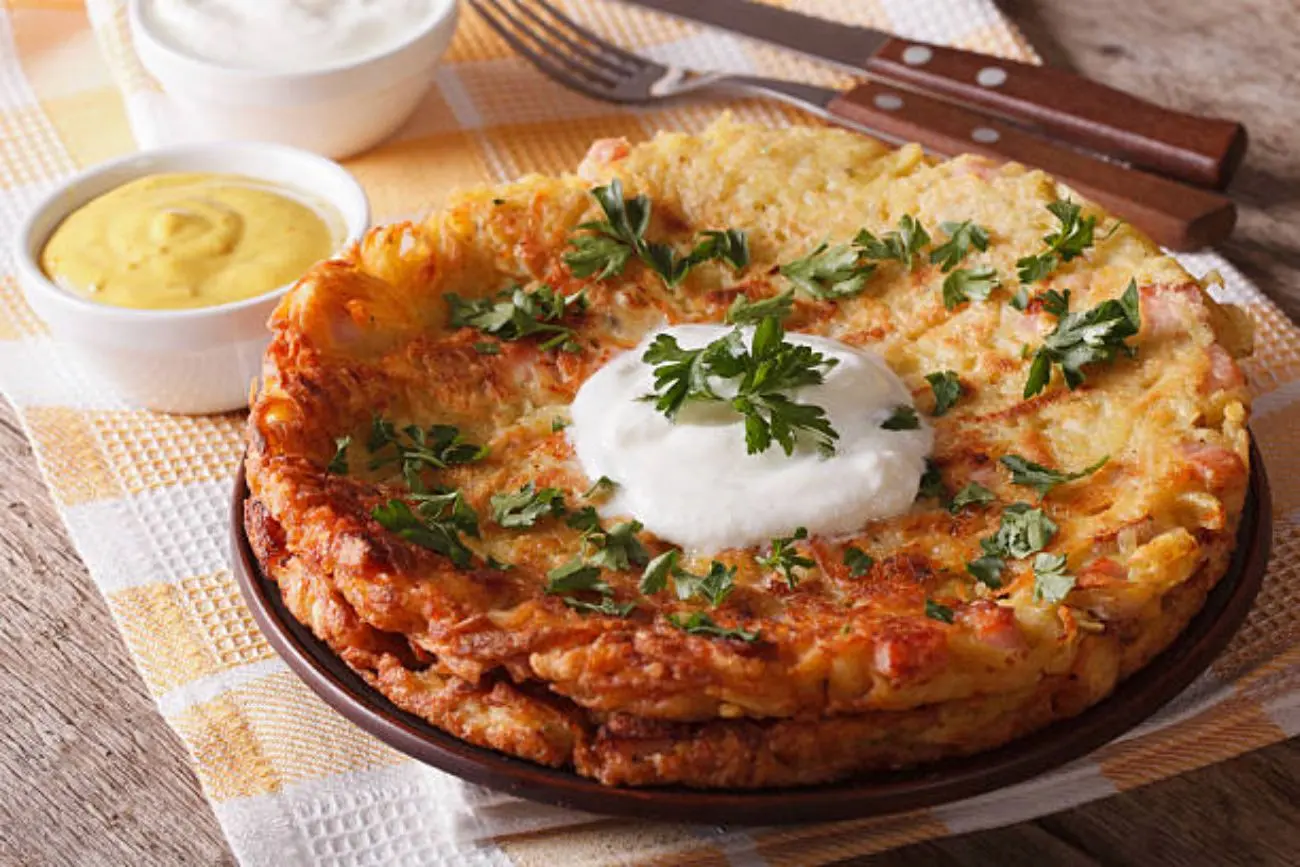
Rösti
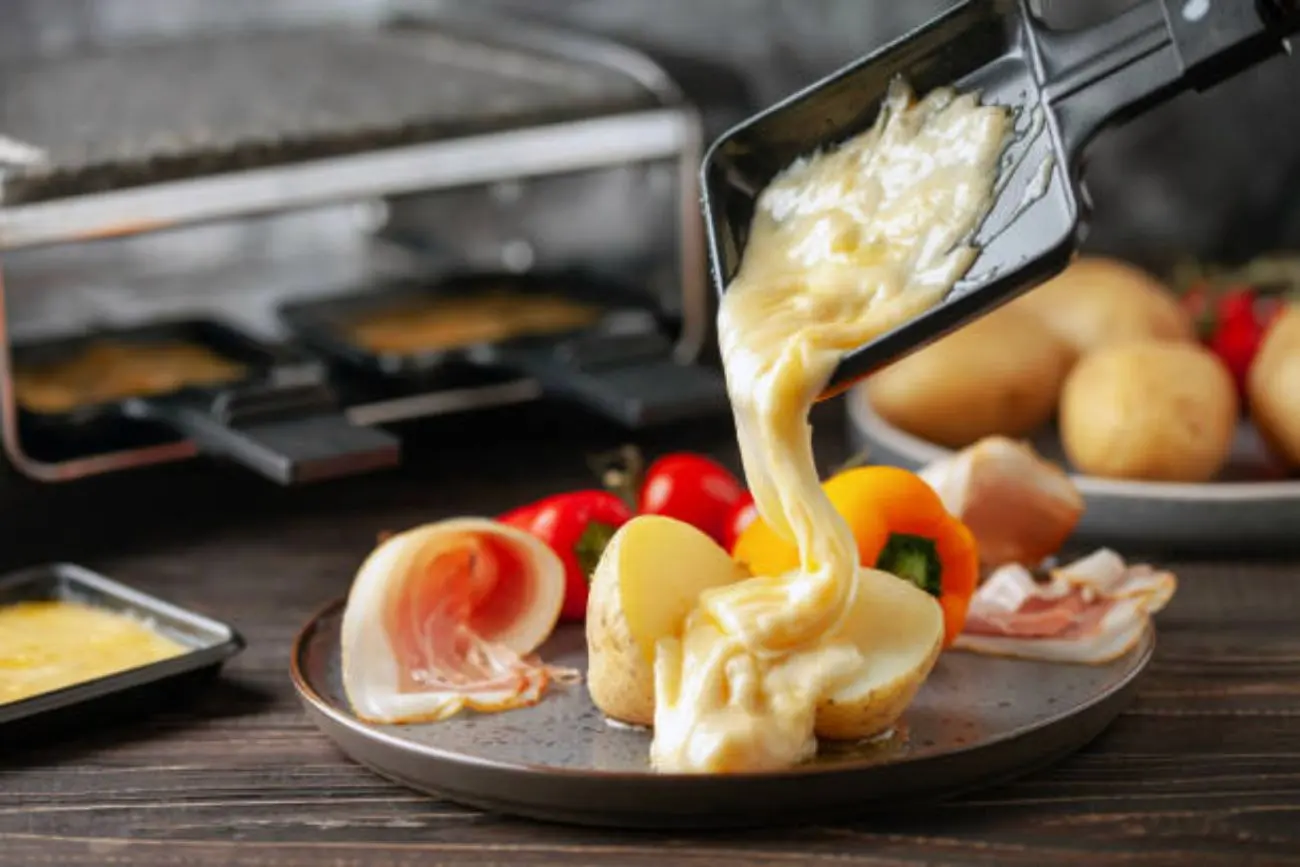
Raclette
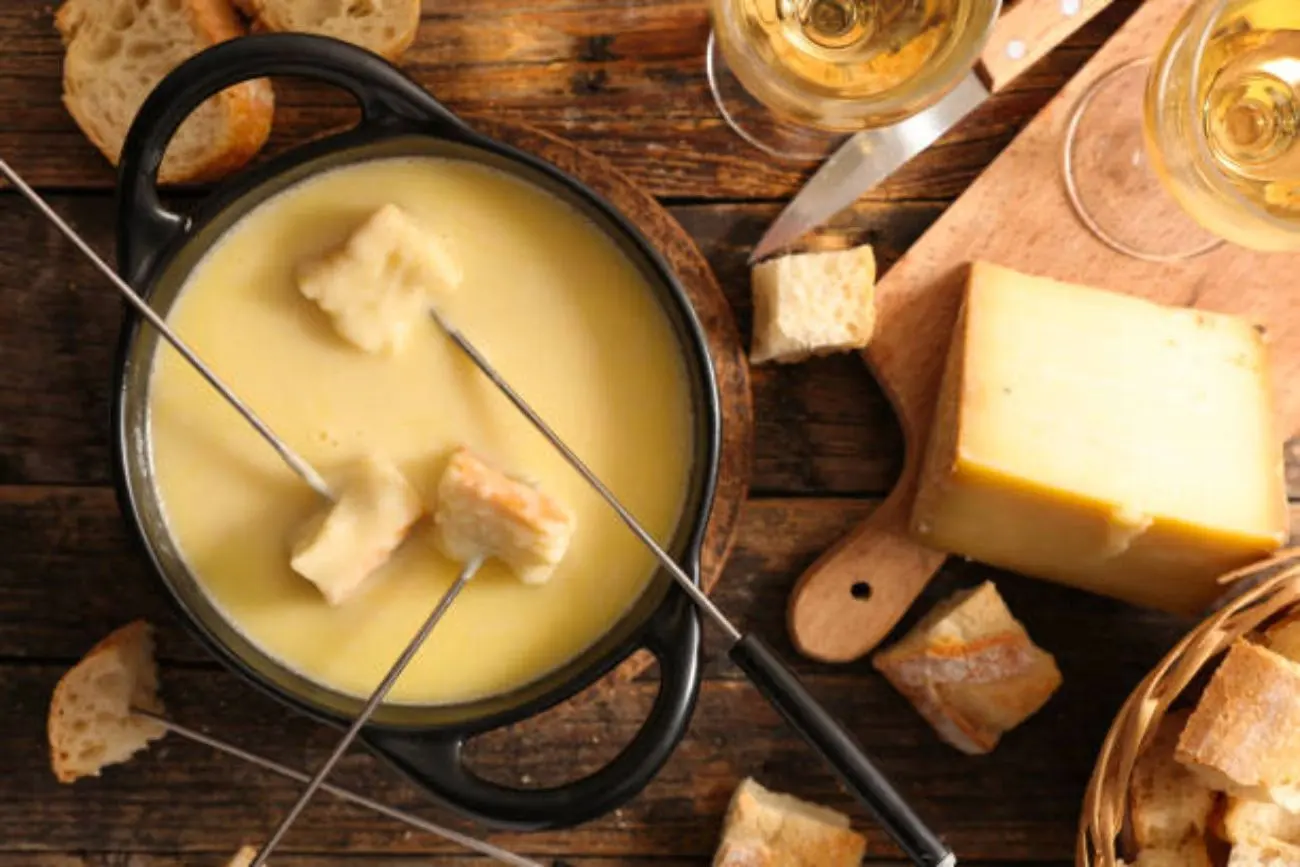
Cheese Fondue
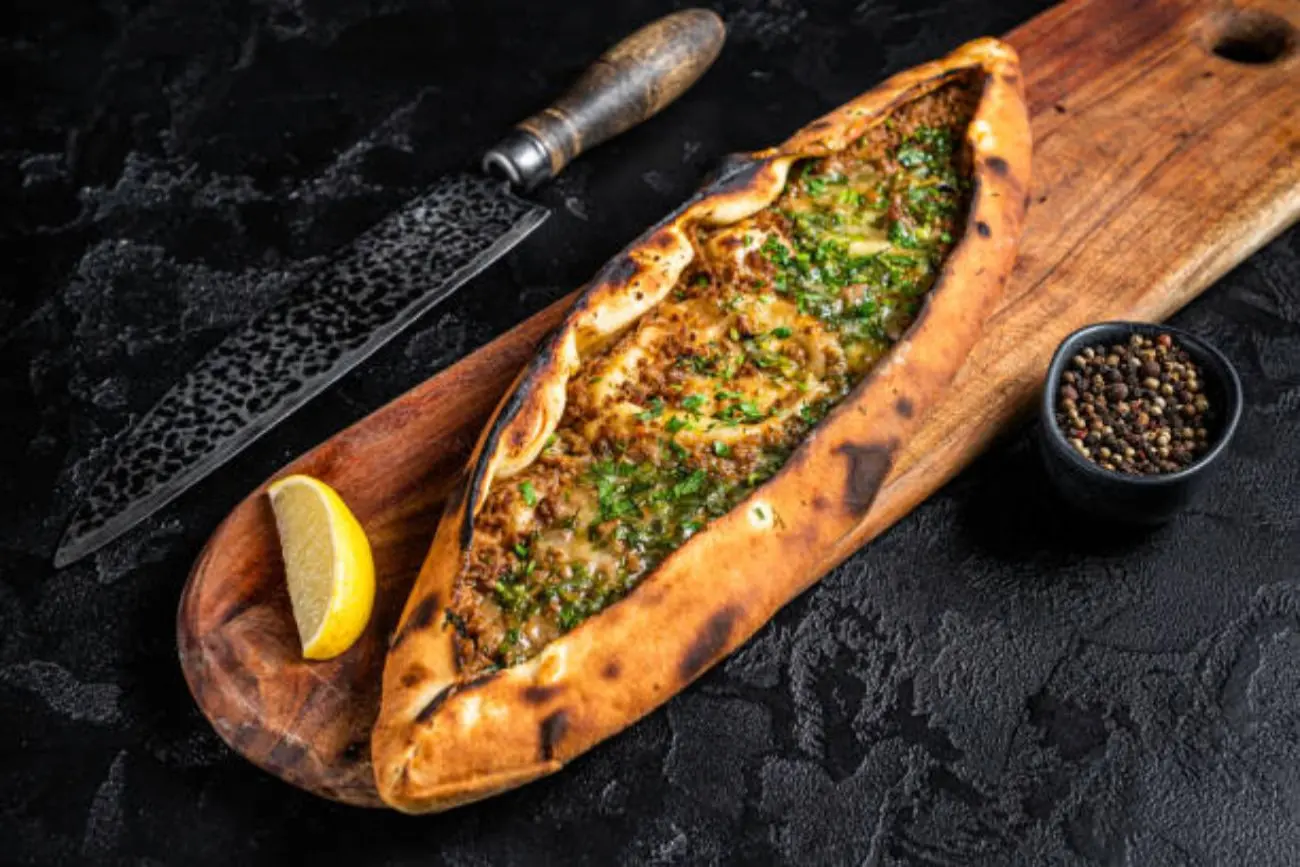
Pide
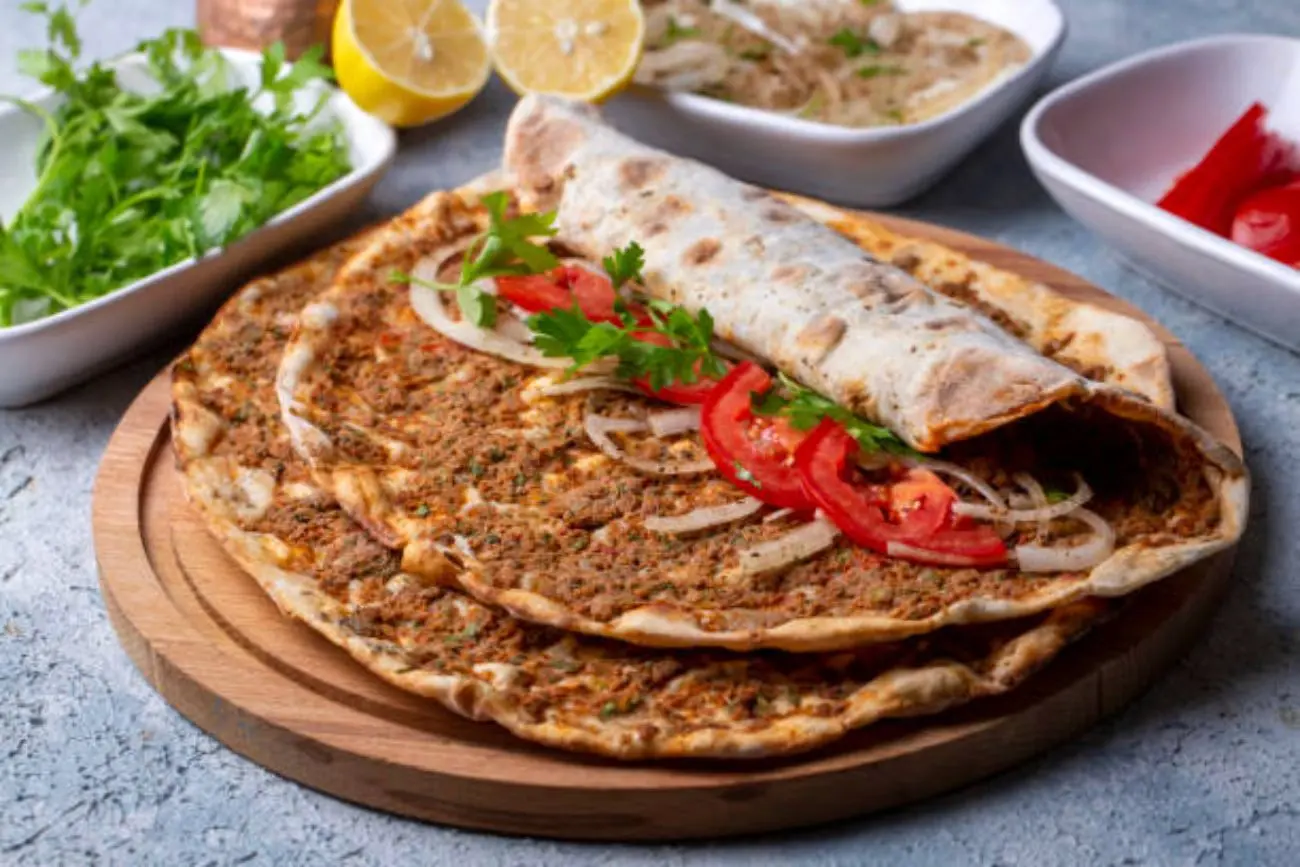
Lahmacun
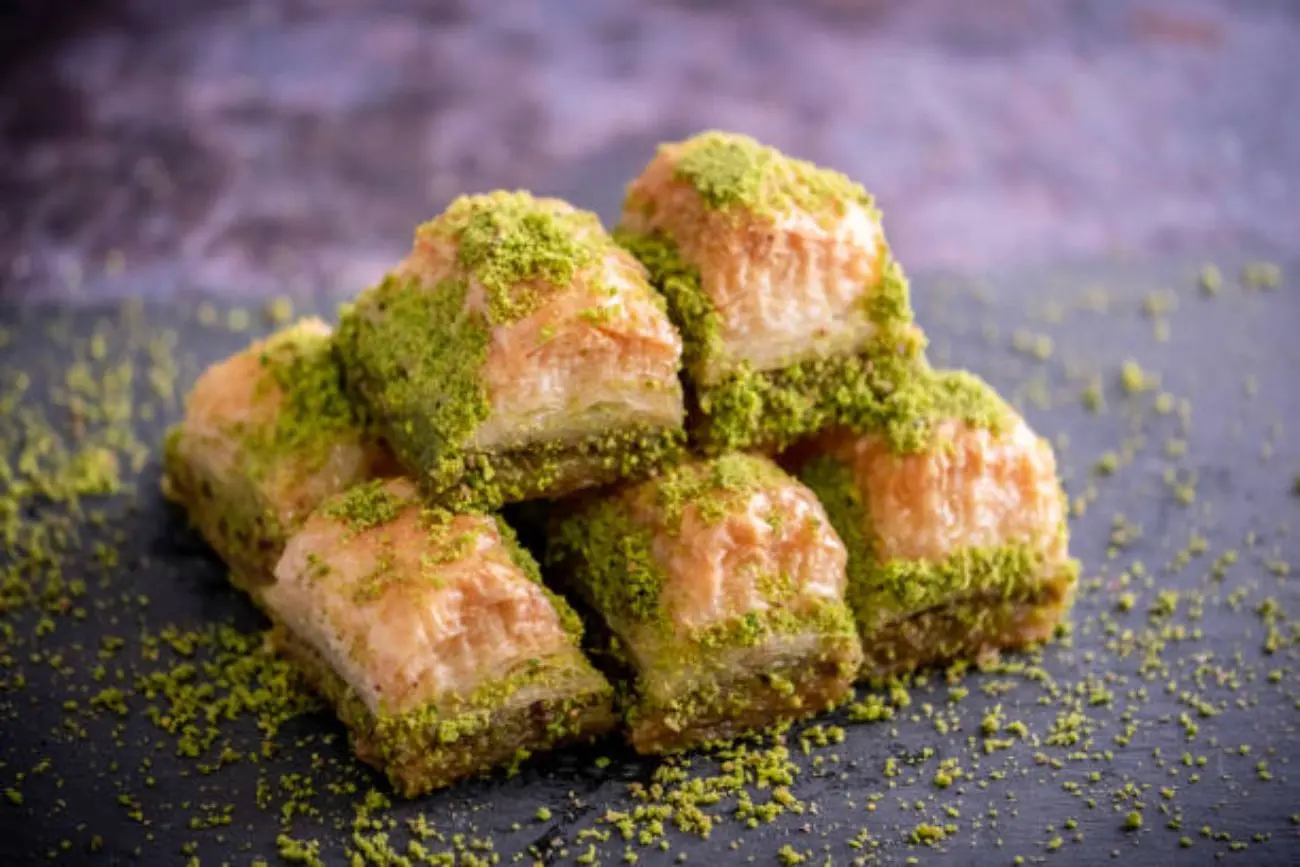
Baklava
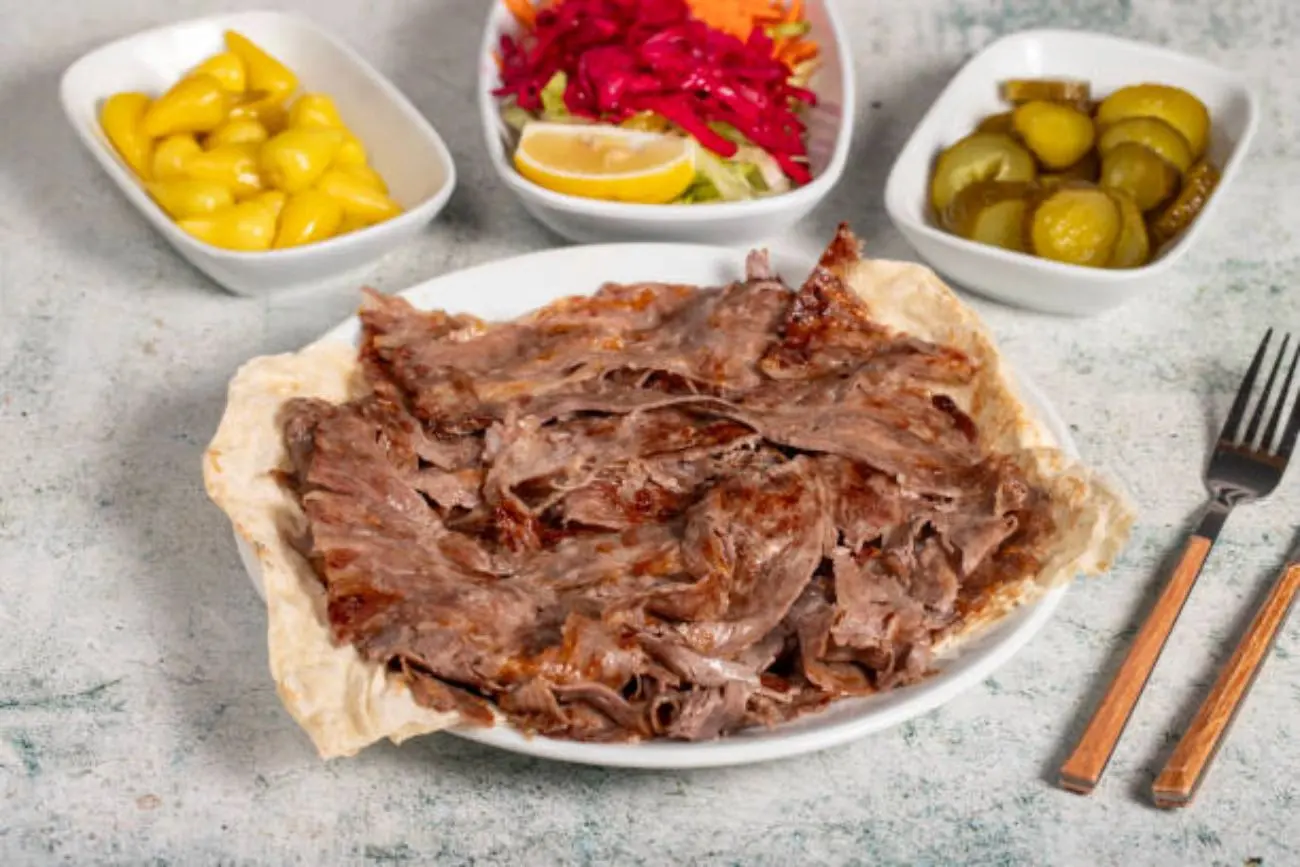
Döner
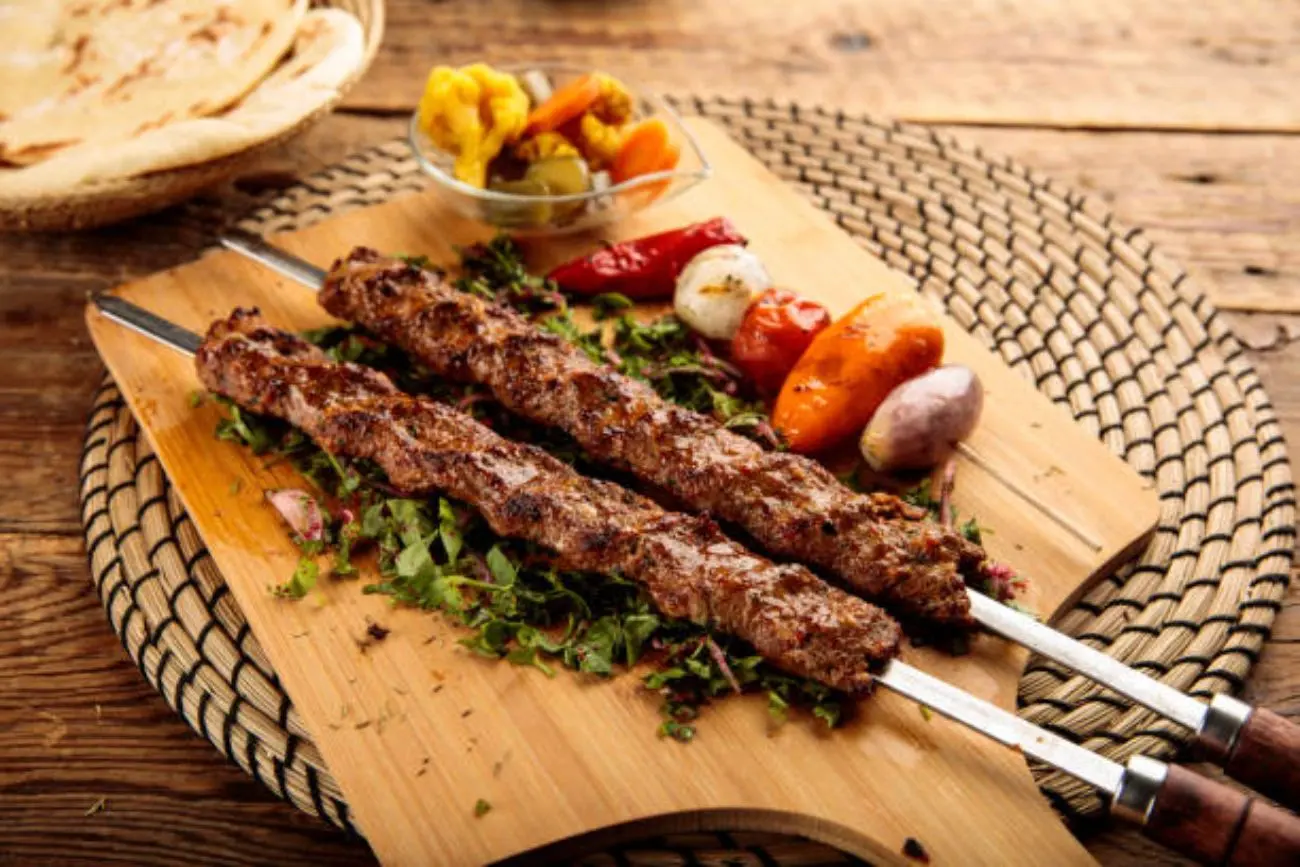
Kebab
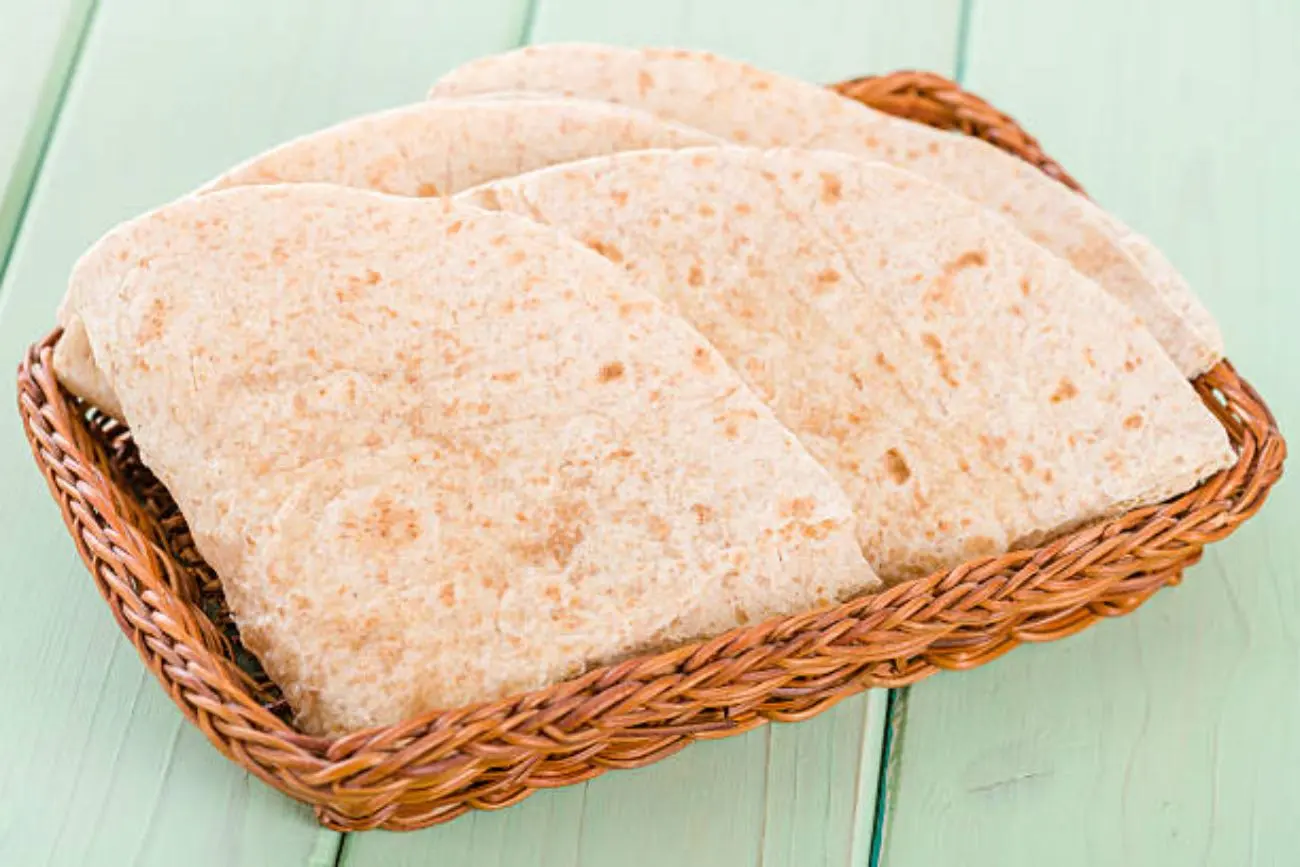
Khubz
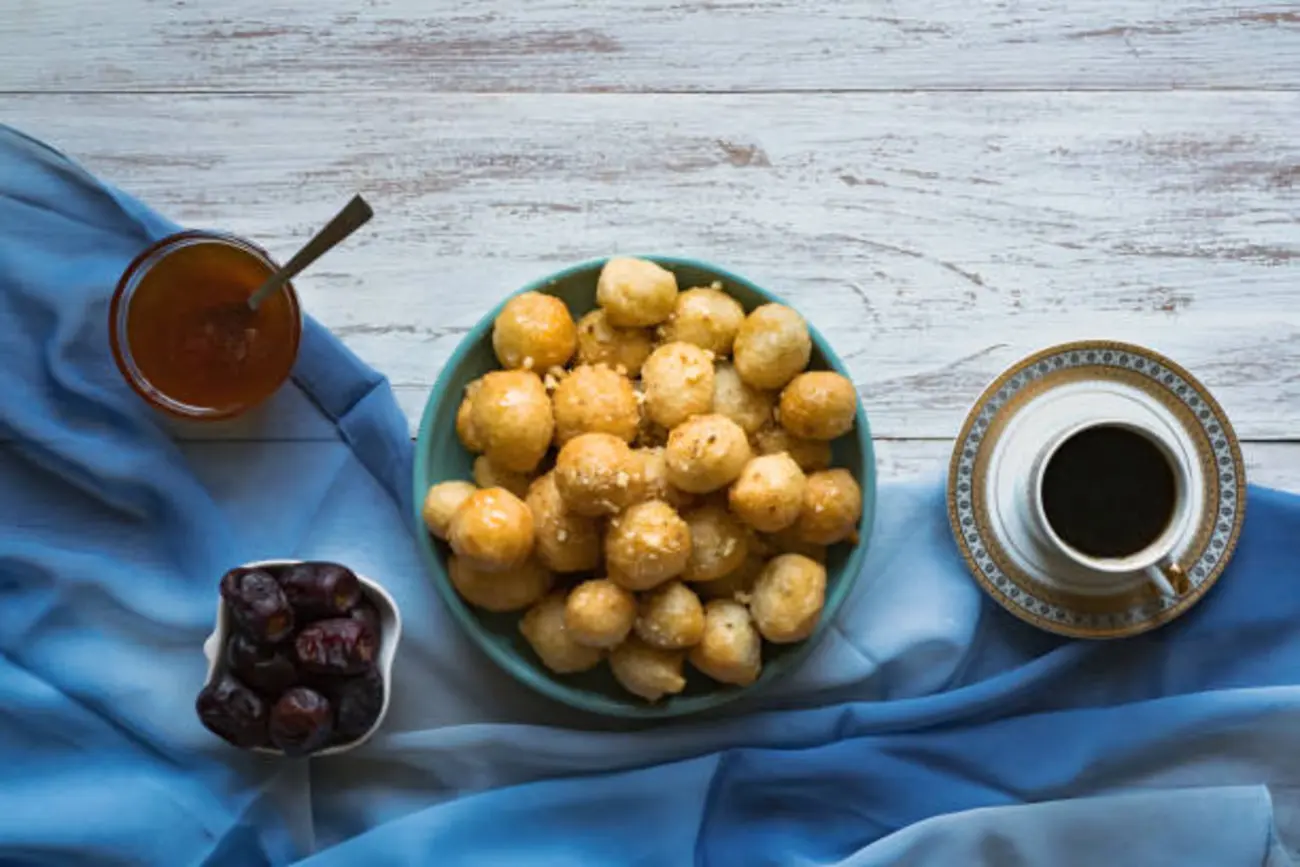
Luqaimat
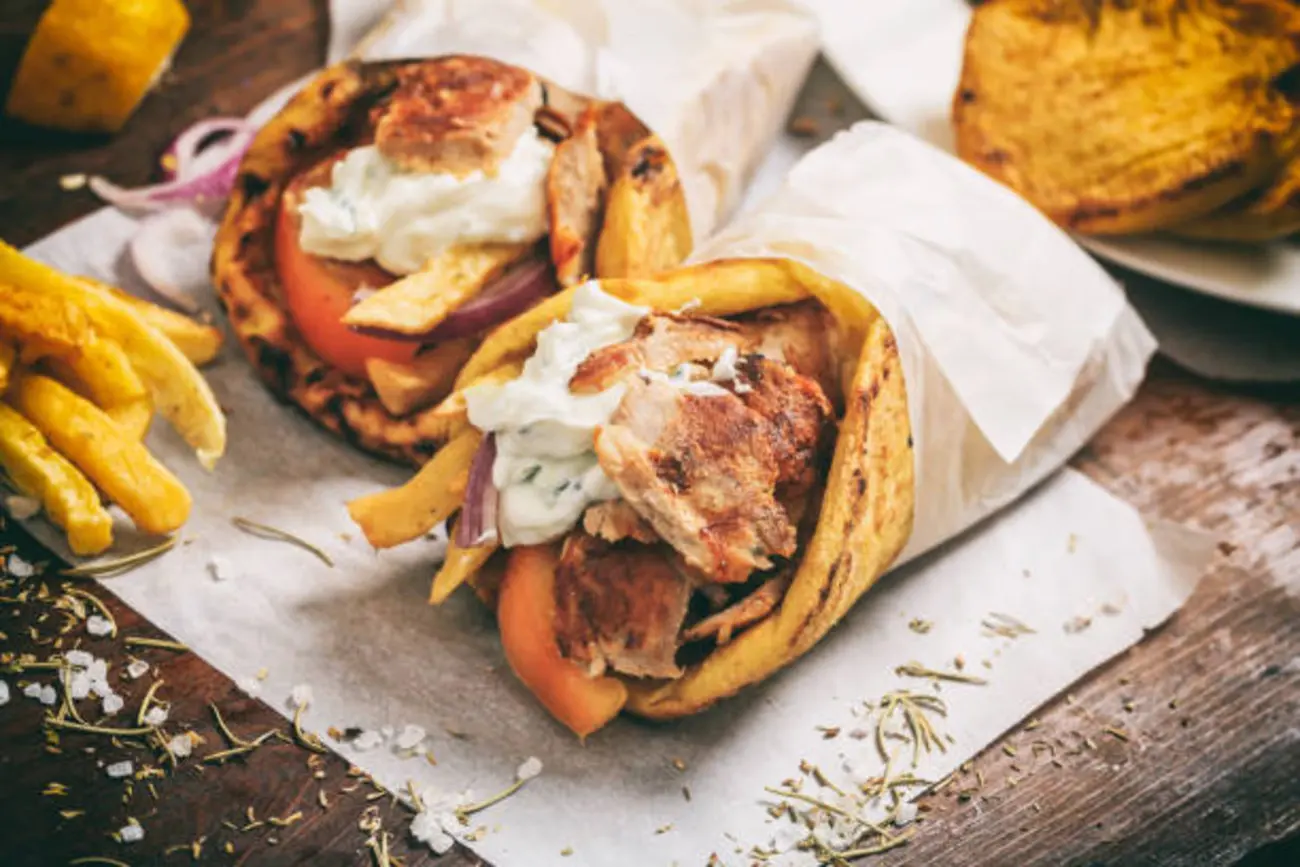
Shawarma
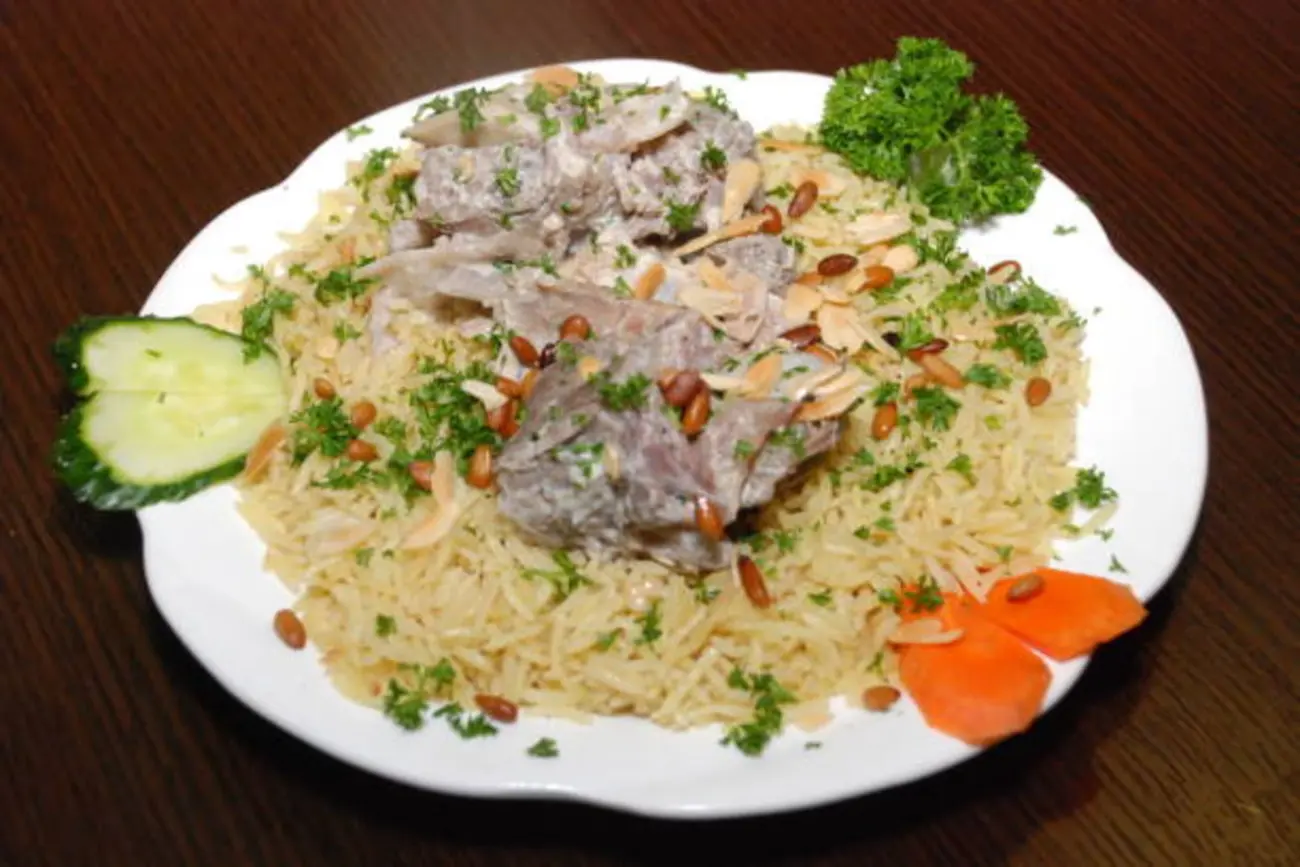
Al Harees
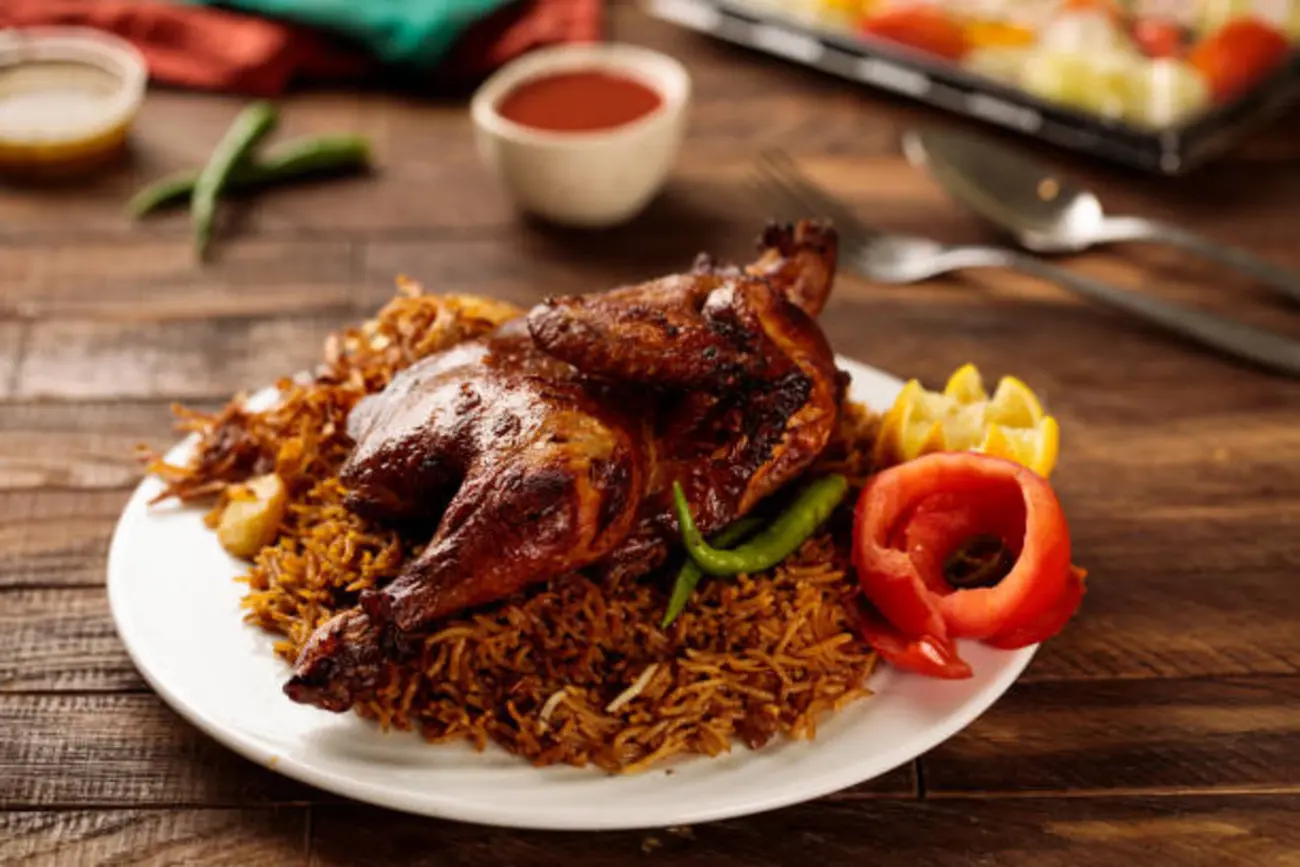
Machboos
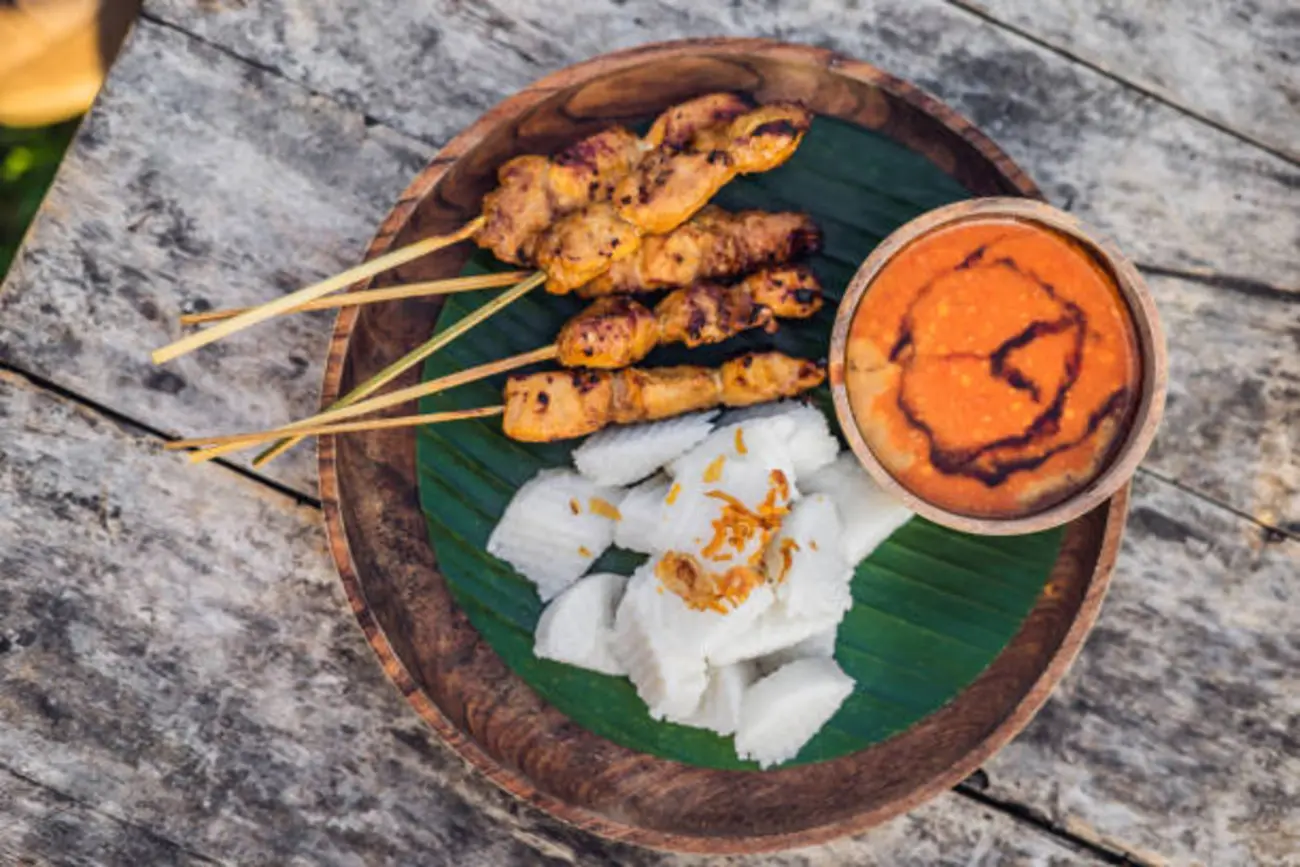
Satay
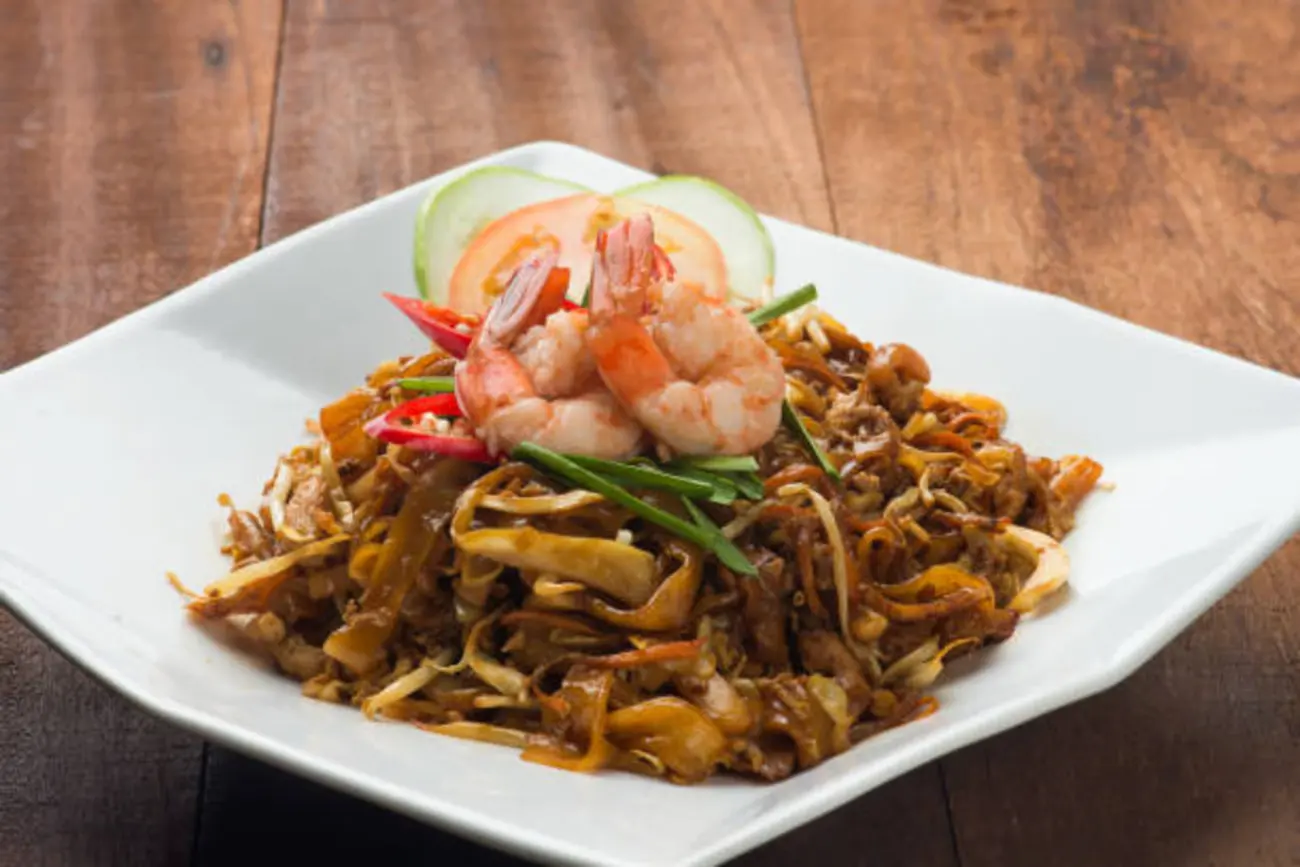
Char Kway Teow
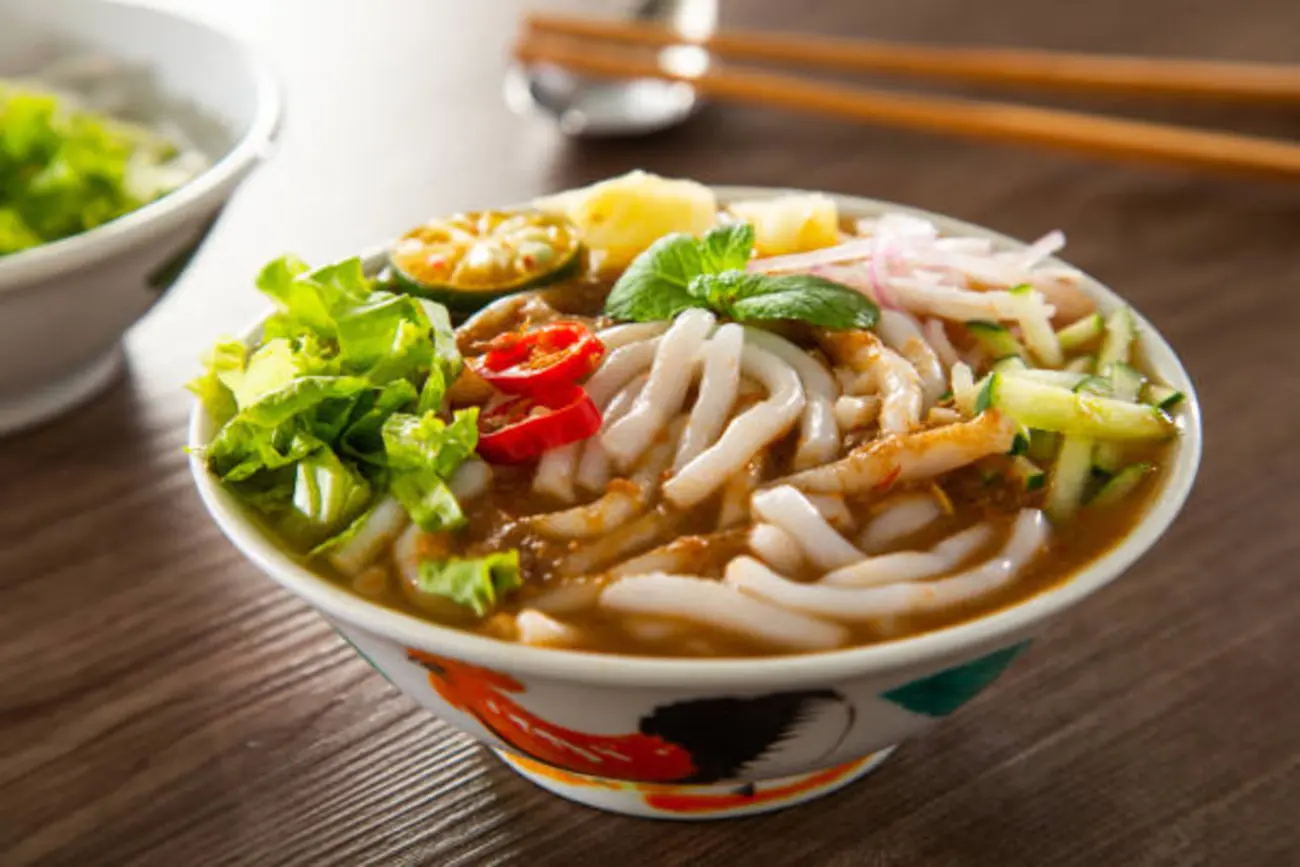
Laksa
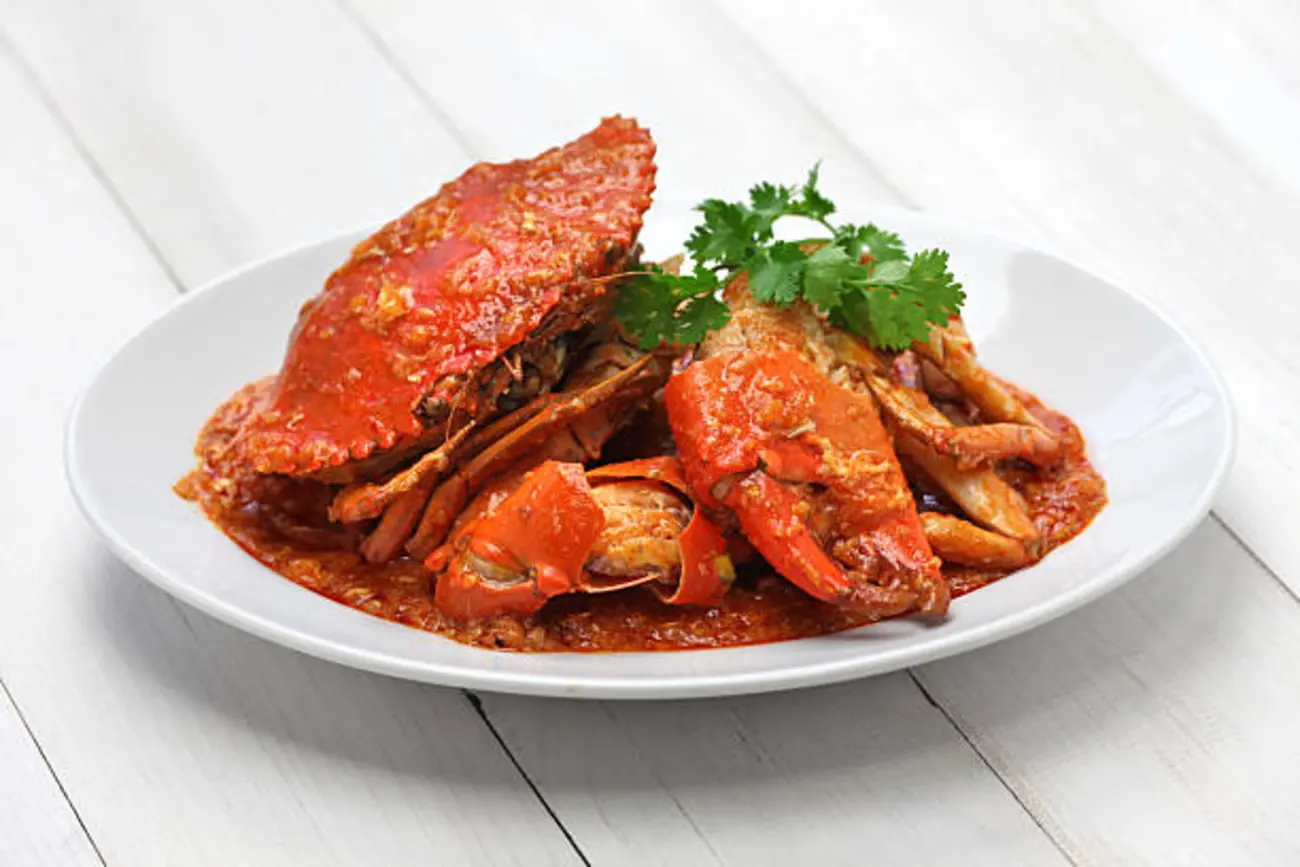
Chilli Crab
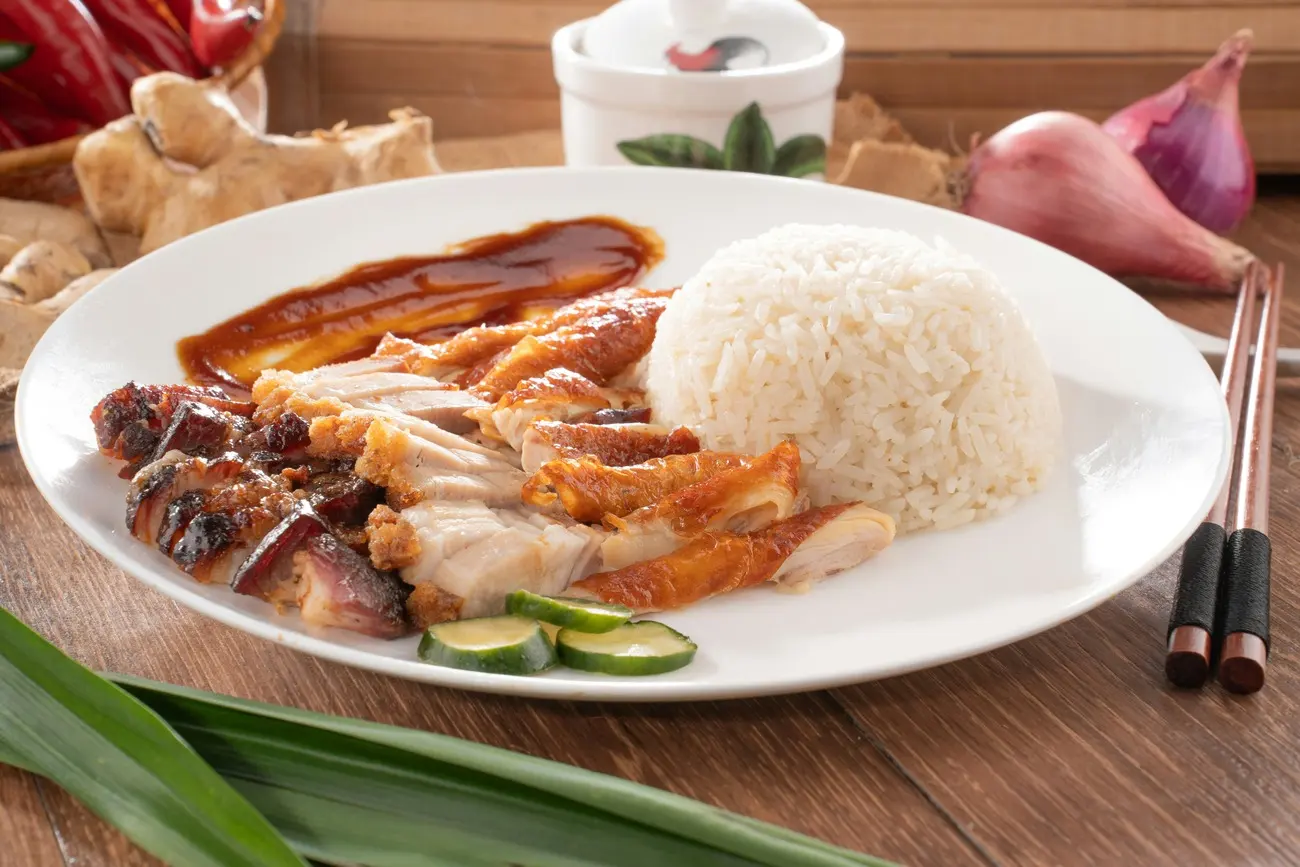
Hainanese Chicken Rice
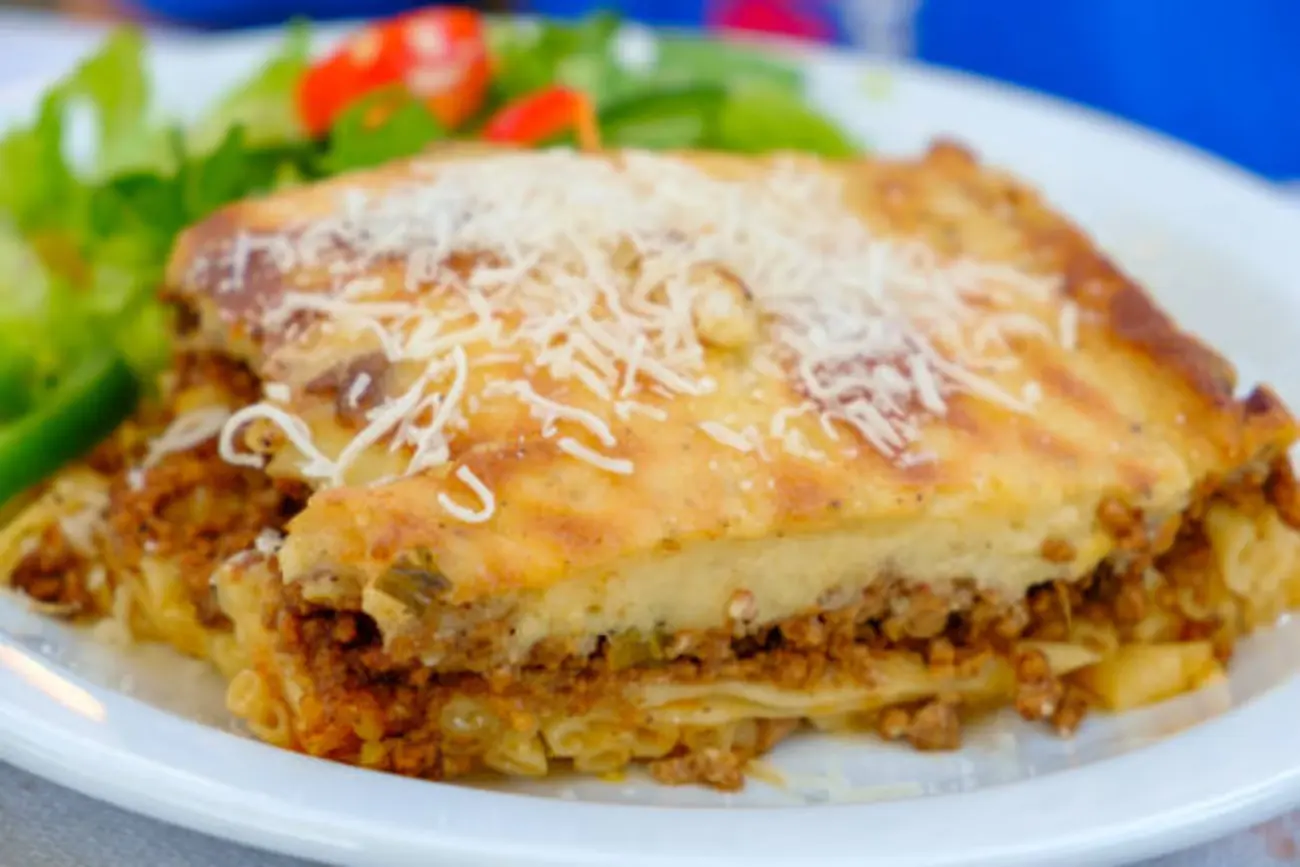
Moussaka
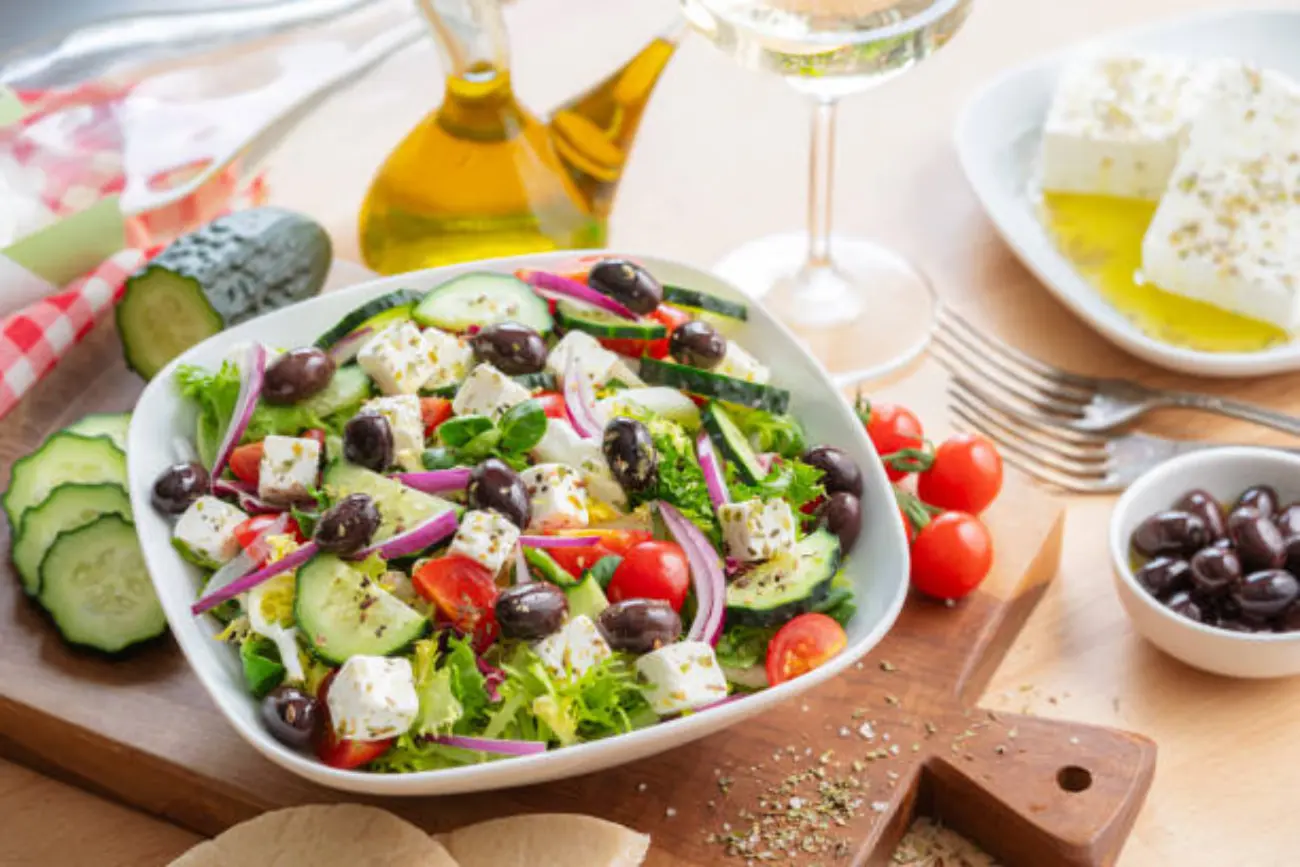
Greek Salad
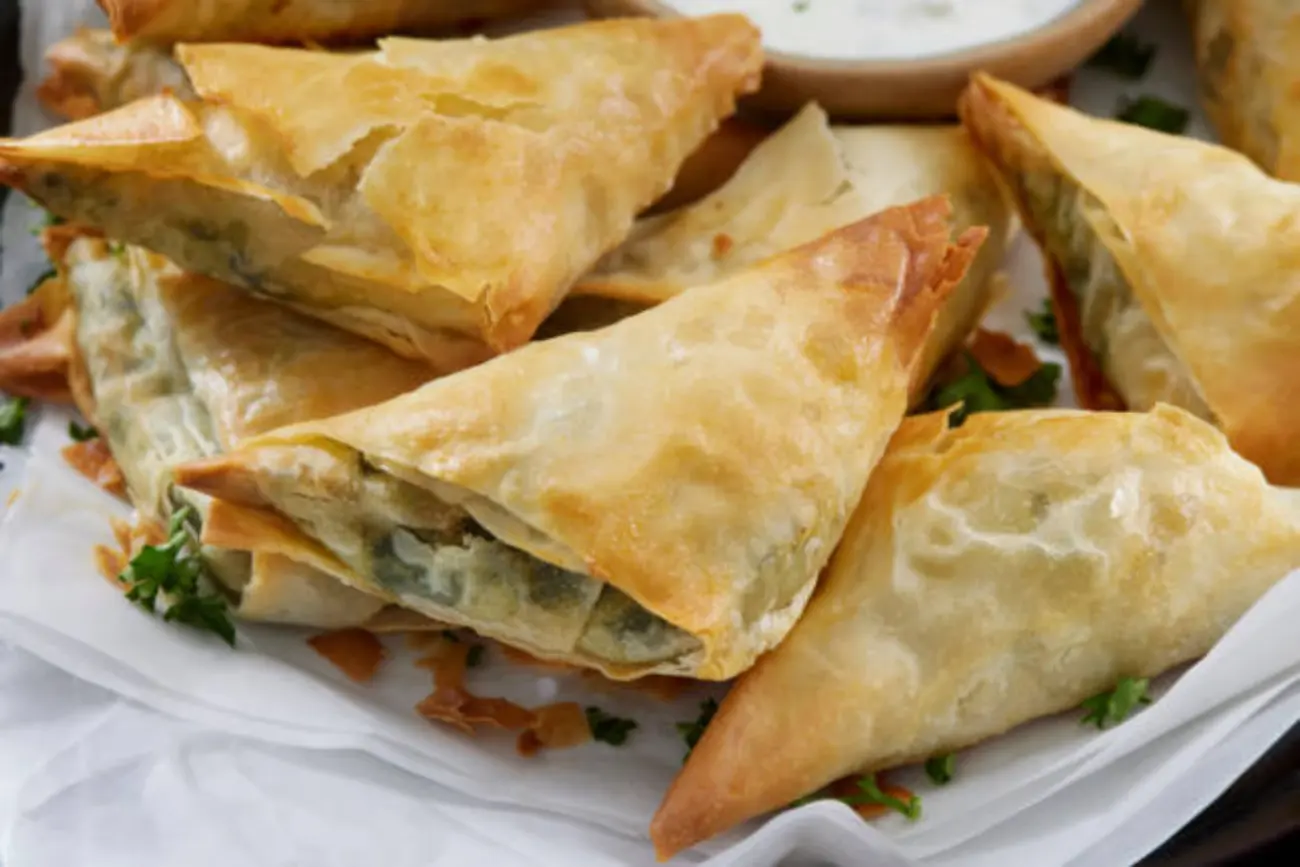
Spanakopita
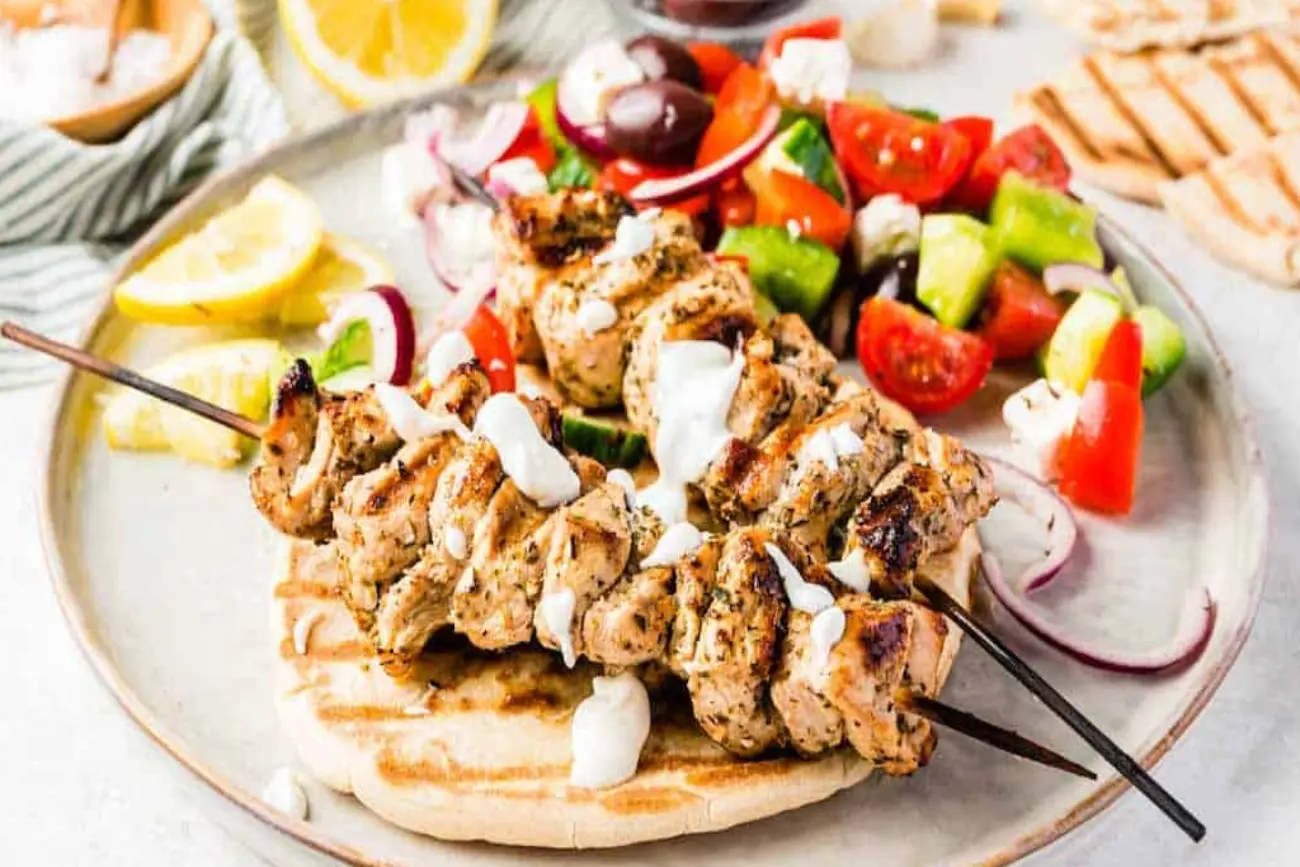
Greek Chicken Souvlaki Recipe with Tzatziki
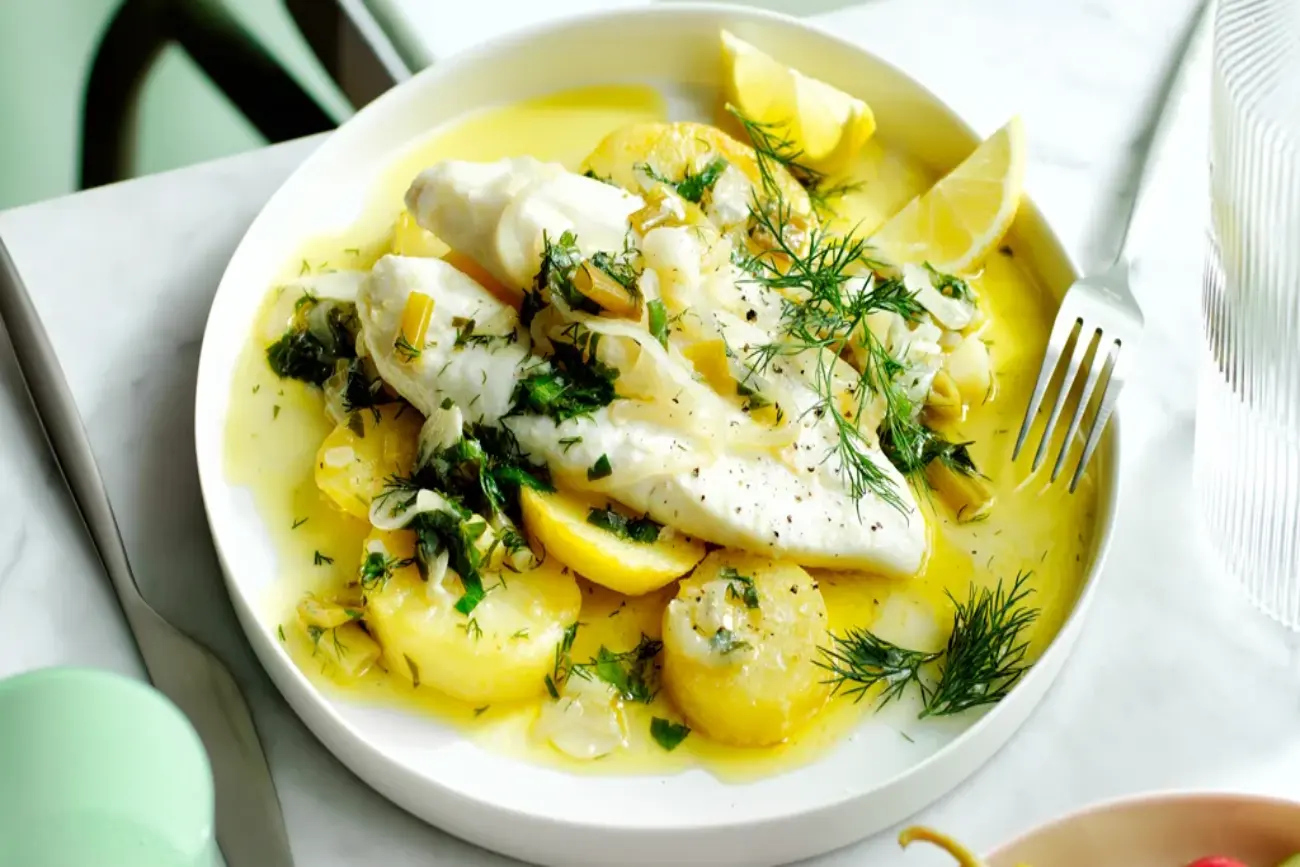
Bianco Fish

Private Chartered Boats Now Available in Mykonos, Greece

The Indian Traveller's Guide to Greece: Beyond the Usual!
21 Best Things To Do in Paros, Greece

Greece Family Holidays: Ultimate Guide to Perfect Family Vacations

Visit The Navagio Beach Shipwreck In Zakynthos

Journey through the timeless beauty of Greece’s Destinations

MyKonoos Gateway to Extraordinary Experiences

Travel: Explore. Dream. Discover.

Greece Awaits: Your Guide to Exploring Its Rich Heritage and Stunning Islands

Discover the Magic of Greece’s Historic Heart: Acropolis

Experience the Timeless Charm of Greece’s Historic Heart : Ancient Agora