



















30 Hidden Beaches in the USA
Feb 24, 2026
Ritik Rana
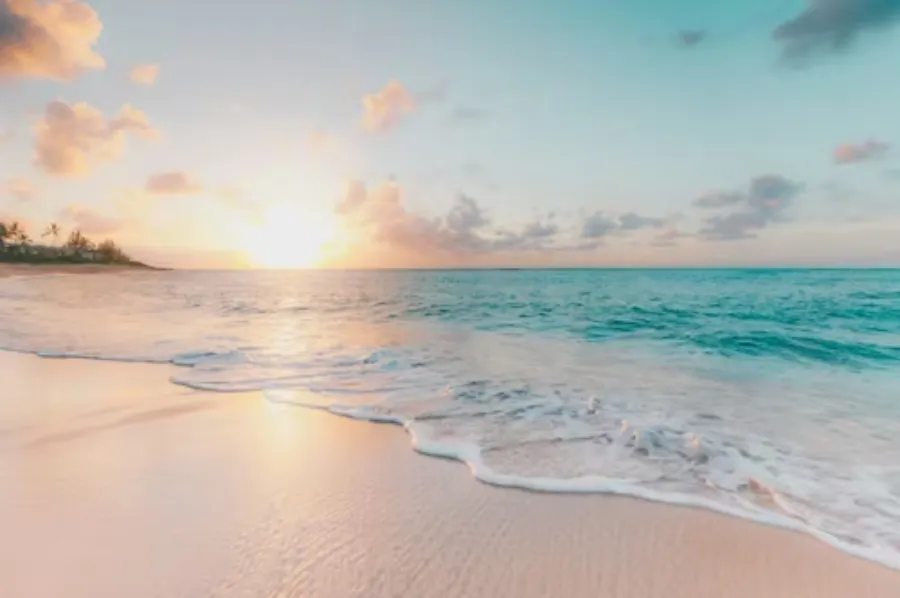
The United States has more coastline than almost any nation on earth — over 95,000 miles when you count Alaska, Hawaii, and the territories. Most of it is barely touched. There are beaches reachable only by hiking trail, by ferry, by kayak, or simply by knowing which unmarked road to turn down. There are coves where the only footprints in the sand are yours and the occasional shorebird's. There are shores so geologically strange — purple sand, spherical boulders, bleached driftwood forests — that they look like the set of a science fiction film.
You just have to be willing to look a little harder. Here are thirty of the best.
1. Bowling Ball Beach — Mendocino, California
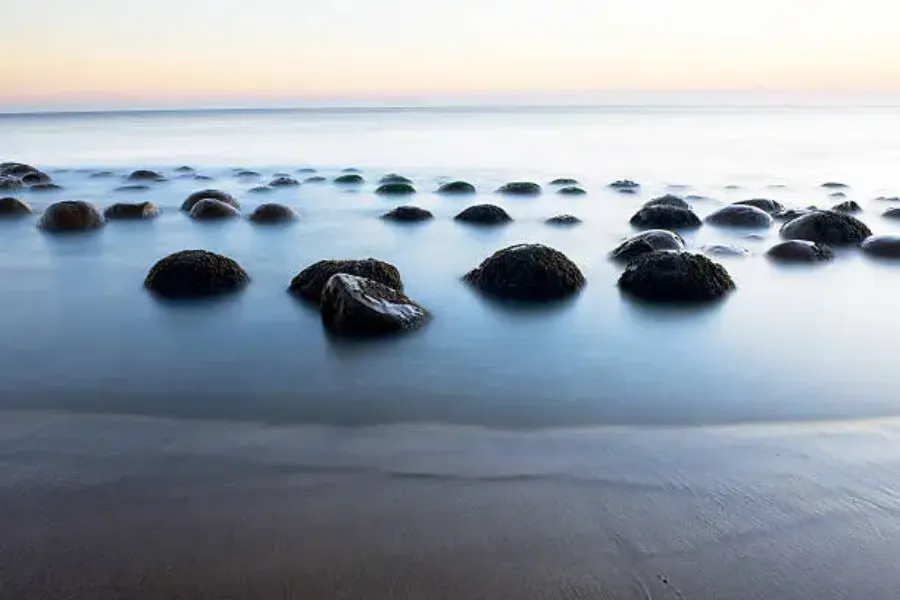
At low tide, something improbable happens along a short stretch of California's Mendocino Coast. Dozens of perfectly spherical boulders — some the size of basketballs, others as big as small cars — emerge from the sand in orderly rows, as if arranged by an obsessive sculptor. They're the result of a geological process called concretion, where minerals slowly accumulate around a central nucleus over millions of years, and the spheres you see today have been exposed by the steady erosion of the surrounding mudstone cliffs.
Getting there requires checking a tide chart and walking a short bluff trail from Schooner Gulch State Beach, which keeps the crowds to a minimum. On a good low-tide morning in spring, you might have the entire spectacle to yourself — nothing but grey Pacific sky, the sound of surf, and these ancient stone spheres emerging from the wet sand like something the ocean is slowly offering up.
Best time to visit: Spring and fall at low tide — check tide charts before leaving.
How to Get There: Drive north on Highway 1 past Point Arena to Schooner Gulch Road. Park at the signed trailhead and follow the bluff path down to the beach — about a 10-minute descent. The spherical rocks are visible at the southern end of the beach.
Nearby Stay: The Brewery Gulch Inn in Mendocino is a warm, well-run property with ocean views and an excellent wine list focused on small-production California producers. For a quieter, more pastoral experience, the Glendeven Inn — a working farm turned B&B a few miles south — is hard to beat.
2. Rialto Beach — Olympic Peninsula, Washington
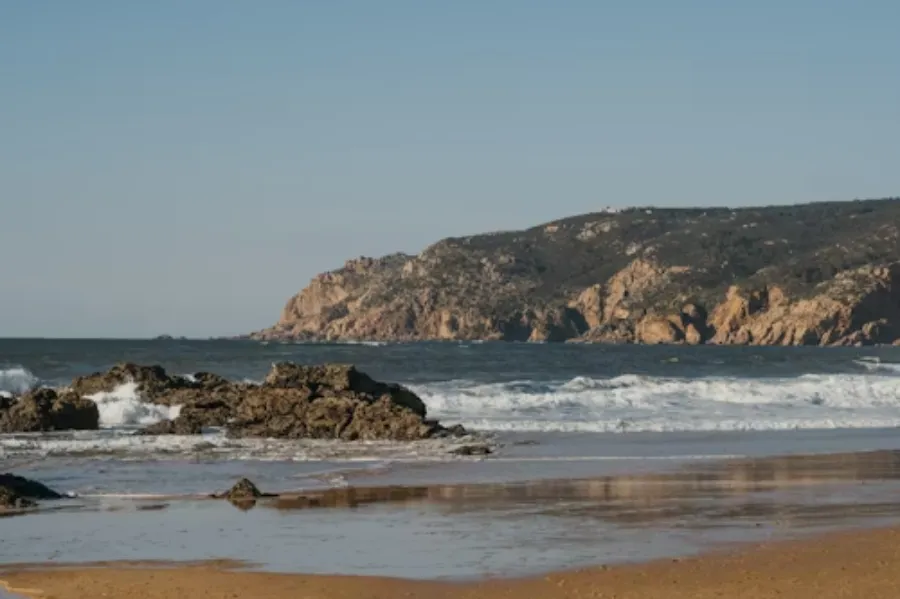
The road to Rialto Beach dead-ends at the Pacific, which is partly why it feels like the edge of the world. Olympic National Park's coastal strip is one of the only places in the lower 48 where temperate rainforest meets open ocean, and the beach itself reflects that strangeness — enormous tangles of driftwood logs pile up along the tide line like the aftermath of some tremendous inland flood, and offshore sea stacks rise from the surf draped in seabirds.
Walk north from the parking area and the crowds thin to nothing within fifteen minutes. Hole-in-the-Wall, a natural arch in the sea cliff accessible at low tide about 1.5 miles up the beach, is one of the Pacific Northwest's most rewarding short hikes. Bald eagles are common. The wind is almost always present. Bring a layer.
Best time to visit: July through September, when fog lifts in the afternoon and rain is less likely.
How to Get There: From Forks, WA, head west on La Push Road (Highway 110) for approximately 14 miles to the Rialto Beach parking area. No advance reservations are needed, but arrive early in peak summer months — the lot fills by midmorning on weekends.
Nearby Stay: Kalaloch Lodge, operated by the National Park Service about 40 miles south, sits directly on the coastal bluff and offers cabins and lodge rooms that book out months in advance. In Forks, the Miller Tree Inn is a comfortable, well-regarded B&B.
3. Caladesi Island State Park — Dunedin, Florida
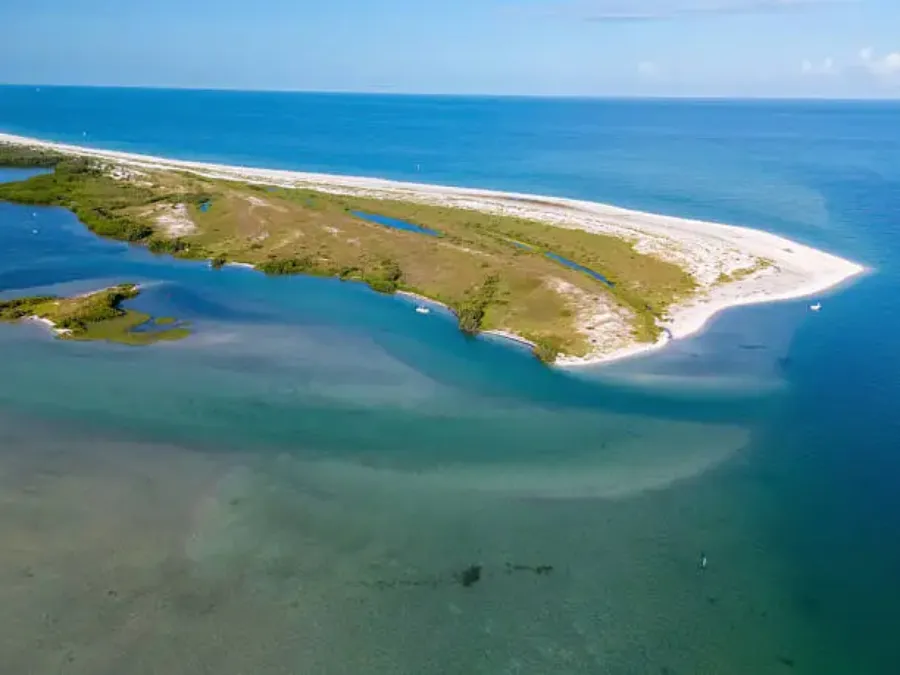
There is no bridge to Caladesi Island. There is no causeway, no development, no resort strip. You arrive by ferry from Honeymoon Island or by private boat, and what greets you is three miles of Gulf Coast beach that has changed very little in decades — white quartz sand so fine it squeaks underfoot, water that shifts from pale green in the shallows to deep turquoise offshore, and a forest of slash pine and saw palmetto behind the dunes that shelters everything from osprey to gopher tortoises.
Florida has no shortage of beautiful beaches, but the barrier to arrival keeps Caladesi genuinely quiet. Bottlenose dolphins work the nearshore waters routinely. The ferry ride itself, passing through tidal flats busy with wading birds, sets the tone for the kind of afternoon this place delivers.
Best time to visit: March through May — ahead of summer heat and hurricane season, after the worst of winter crowds.
How to Get There: Drive to Honeymoon Island State Park via Causeway Boulevard from Dunedin. The ferry to Caladesi departs from the Honeymoon Island marina; schedules and fees are available through the Florida State Parks website. The crossing takes about 20 minutes.
Nearby Stay: The Fenway Hotel in downtown Dunedin is a beautifully restored 1920s landmark with a rooftop bar and easy walkability to the town's restaurants. Clearwater Beach, about 20 minutes south, offers a wider range of options for families.
4. Pfeiffer Beach — Big Sur, California

The turnoff is easy to miss. A small sign on Highway 1 marks Sycamore Canyon Road, a narrow two-mile strip of pavement threading through Los Padres National Forest that ends at one of California's most unusual beaches. The sand at Pfeiffer Beach carries a distinct purple tint — manganese garnet eroding from the hillside mineral deposits washes down in visible concentrations, particularly after rain.
What draws photographers from around the world is Keyhole Arch — a gap in the offshore rock formations through which the setting sun aligns in winter months, sending a shaft of light directly through the stone and across the water. The effect, on a clear December or January evening, is extraordinary. The beach is also reliably windy and cold, and swimming is not recommended due to strong currents. This is a place to look at, not to swim in.
Best time to visit: November through January for the Keyhole Arch sunset alignment. Late summer for calmer, warmer conditions.
How to Get There: Drive south from Carmel on Highway 1 approximately 26 miles. Turn west onto Sycamore Canyon Road — there is a small brown sign, but it's easy to miss. Follow the road 2 miles to the parking area. A $12 day-use fee applies. Large vehicles and RVs are not permitted.
Nearby Stay: Ventana Big Sur is the area's most refined property — an adults-only retreat with forest views and an excellent spa. For something more rustic, Fernwood Resort offers campsites and basic cabins along the Big Sur River.
5. Sleeping Bear Dunes — Glen Arbor, Michigan
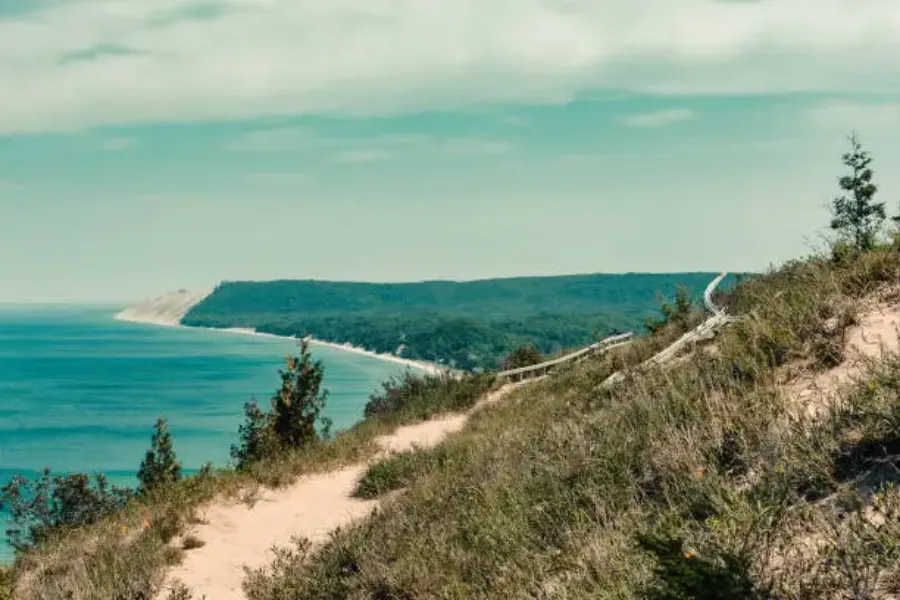
In 2011, Good Morning America ran a viewer poll to determine the Most Beautiful Place in America. The winner surprised a lot of people: Sleeping Bear Dunes National Lakeshore on Lake Michigan's eastern shore. The surprise was mostly a matter of geography — freshwater beaches don't carry the same popular imagination as ocean beaches, but Lake Michigan's water is clear, cold, and a shade of blue that has no business appearing in the Midwest.
Empire Beach, at the park's southern edge near the town of Empire, is small and rarely crowded. Climb the nearby dunes for views that stretch uninterrupted across open water to the horizon — an experience that genuinely feels like standing at the edge of something much larger than a lake.
Best time to visit: Late July through August, when the water finally warms enough for comfortable swimming.
How to Get There: From Traverse City, head west on M-72 for approximately 25 miles to Empire, Michigan. The National Lakeshore visitor center in Empire is an ideal first stop for maps and current conditions. Empire Beach is right in town, steps from the parking area.
Nearby Stay: The Glen Arbor B&B offers comfortable rooms in the heart of the Leelanau Peninsula, close to both the dunes and excellent local wineries. Cherry Tree Inn & Suites in Traverse City is well-positioned for exploring the wider region.
6. Hualapai Beach — Kauai, Hawaii
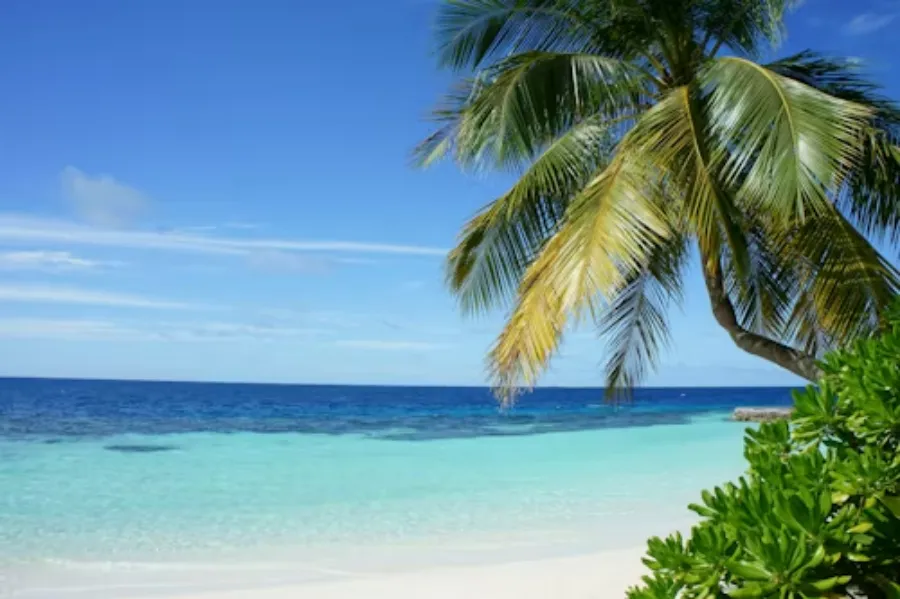
The Na Pali Coast has no road. This is the whole point. To reach Hualapai Beach, you hike two miles through dense jungle on the Kalalau Trail — a path that has been carved into these cliffs for centuries and remains one of the most beautiful and demanding coastal hikes in the country. The reward is a remote black-sand beach enclosed by walls of fluted green cliff that rise straight from the surf.
One essential caveat: do not swim here. The currents off Hualapai are powerful and unpredictable, and the beach has claimed lives. A warning sign at the trailhead tracks the count. This is a place for arriving, sitting with the scale of it, and turning around. The hike itself — through tropical forest, across stream crossings, with glimpses of the Na Pali cliffs appearing through the canopy — is the experience.
Best time to visit: Summer months (June through August), when the beach is at its fullest and trail conditions are most stable.
How to Get There: The Kalalau Trailhead begins at Keʻe Beach at the western end of Highway 560 on Kauaʻi's North Shore. A state permit is required to park at the trailhead — reserve well in advance at gostateparks.hawaii.gov. Water shoes and trekking poles are helpful.
Nearby Stay: Hanalei Bay Resort on the North Shore offers comfortable rooms and striking bay views, just minutes from the trailhead. The Sheraton Kauaʻi Coconut Beach Resort in Kapaa is well-regarded and centrally located for exploring the island.
7. Assateague Island — Maryland / Virginia
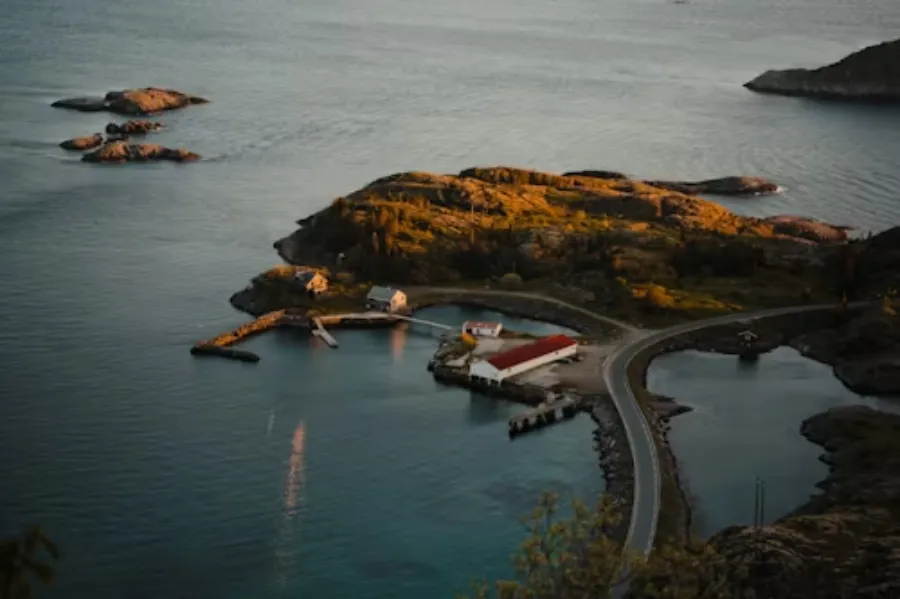
Assateague is a 37-mile barrier island that exists in deliberate opposition to the development that defines Ocean City just to its north. There are no hotels on Assateague. No boardwalk, no souvenir shops, no high-rises visible from the beach. What there is: miles of undeveloped Atlantic shoreline, nesting shorebirds, and a feral horse population that has lived here for centuries — the descendants, most likely, of horses that survived a colonial-era shipwreck and adapted to the maritime shrubland environment.
The ponies are genuinely wild. They wander the beach and the dunes as they please, occasionally approaching campsites in search of food (a habit rangers strongly discourage). September and October are the sweet spot — the summer crowds dissipate, the water is still warm from months of sun, and the light on the marshes in the afternoon is remarkable.
Best time to visit: September through October for warm water, fewer visitors, and exceptional shorebird activity.
How to Get There: From the Maryland side, take Route 611 south from Ocean City to the Assateague Island National Seashore entrance. From Virginia, take Route 175 to Chincoteague Island, then cross to the Chincoteague National Wildlife Refuge. Both entrances charge a day-use fee.
Nearby Stay: On the Virginia side, the Refuge Inn in Chincoteague is a reliable, warmly run property close to the waterfront and the island's restaurants. Camping directly on Assateague — with the ponies wandering through and stars overhead — is one of the East Coast's great outdoor experiences; reserve at recreation.gov.
8. Glass Beach — Fort Bragg, California
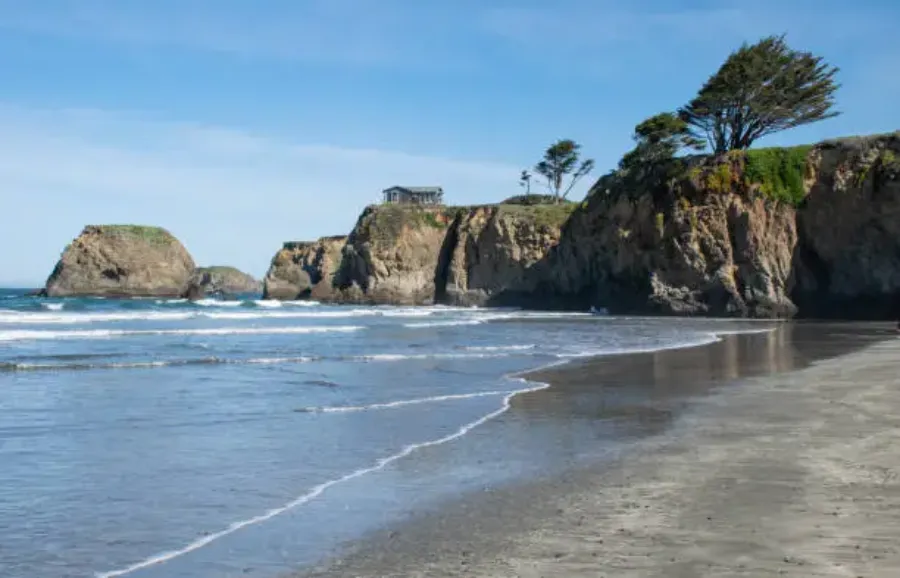
For most of the twentieth century, the residents of Fort Bragg threw their trash off the bluffs north of town directly onto the beach below. The site was known locally as "The Dumps." In 1967, the practice was banned, and the ocean spent the next several decades doing something remarkable: tumbling the broken glass, pottery, and ceramic fragments into smooth, frosted pieces of sea glass in greens, browns, blues, and the rare red and orange.
Today, Glass Beach is a state-protected site where collecting is prohibited — a rule essential to its survival, since visitor pressure has already diminished the glass significantly from its peak. What remains is still beautiful, especially in low morning light when the pieces catch and scatter it across the sand.
Best time to visit: Year-round. Morning light maximizes the glass effect. Winter brings migrating gray whales visible from the headlands.
How to Get There: From downtown Fort Bragg, follow Glass Beach Drive west off Main Street to the MacKerricher State Park parking area. A short trail leads to the beach.
Nearby Stay: The Noyo Harbor Inn is a design-conscious boutique hotel perched above Fort Bragg's working fishing harbor, with excellent views and a locally sourced restaurant. The Grey Whale Inn — a converted 1915 hospital building — is a beloved Fort Bragg institution.
9. Shell Beach — La Jolla, California

The sandstone bluffs above La Jolla's coastline have been carved over millennia into an elaborate series of coves, tidepools, and ledges that make this stretch of San Diego's shoreline feel more like a natural museum than a beach. Shell Beach, accessible via the Coast Walk Trail north of La Jolla Cove, is one of the most rewarding stops along that route — a protected pocket of shoreline rich with purple sea urchins, hermit crabs, anemones, and occasional octopus in the rock pools.
The snorkeling in the La Jolla Ecological Reserve just offshore is outstanding, with leopard sharks resting on the sandy bottom in summer and garibaldi — California's state marine fish, vivid orange — darting through the kelp. Water shoes are useful for navigating the rocky entry.
Best time to visit: June through October at low tide for the best tidepool exposure.
How to Get There: Park near La Jolla Cove and walk north along the Coast Walk Trail. Shell Beach is visible below the trail — access points exist along the bluff path. Check local tide charts for optimal timing.
Nearby Stay: The La Jolla Shores Hotel sits directly on the beach and is one of the most convenient and well-positioned properties in the area. The Lodge at Torrey Pines, a few miles north, offers a more refined experience with dramatic clifftop views over the Pacific.
10. Cinnamon Bay — St. John, U.S. Virgin Islands
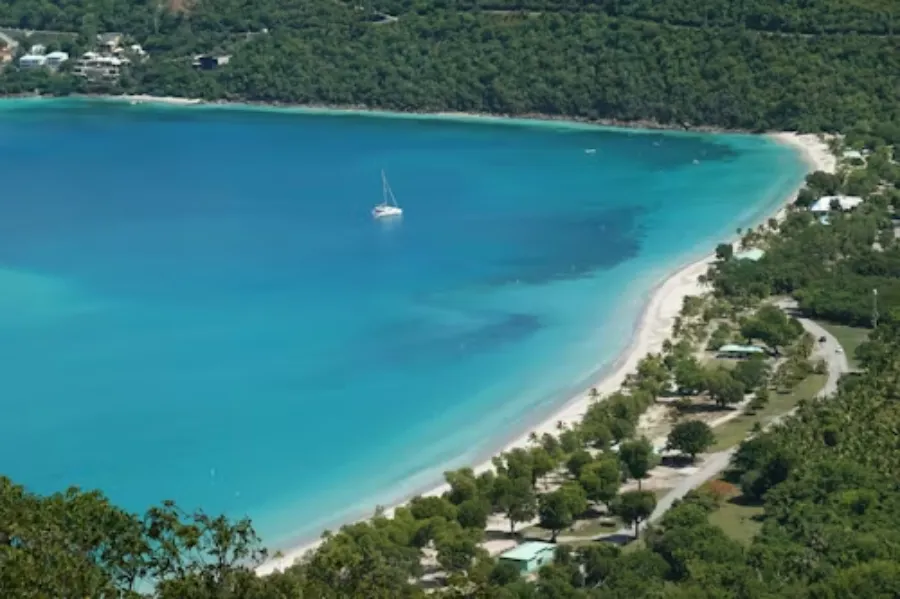
Nearly two-thirds of St. John is protected as Virgin Islands National Park — a designation that has preserved the island's interior forest, coral reefs, and shoreline against the development that has transformed neighbouring St. Thomas. Cinnamon Bay, on the island's north shore, is the park's longest beach: a broad curve of pale sand backed by palm trees and ruins of an eighteenth-century sugar plantation that are slowly being reclaimed by the hillside vegetation.
The snorkeling on either end of the bay, around the rocky points, is consistently excellent. The sense of protected-ness here — knowing that no resort tower will appear on the hillside behind you — lends the place a particular tranquility.
Best time to visit: January through April, during the dry season, for the calmest water and most reliable weather.
How to Get There: Take the Red Hook Ferry from St. Thomas to Cruz Bay, St. John (approximately 20 minutes; ferries run frequently). From Cruz Bay, take a taxi or rental car east along North Shore Road — Cinnamon Bay is clearly signed, about 4 miles from town.
Nearby Stay: Cinnamon Bay Campground, operated within the national park, offers eco-tents, bare sites, and cottages right on the beach. For more comfort, Gallows Point Resort in Cruz Bay offers well-appointed suites with harbour views, and the Westin St. John Resort Villas provides a full-service option on Great Cruz Bay.
11. Playa La Chiva (Blue Beach) — Vieques, Puerto Rico
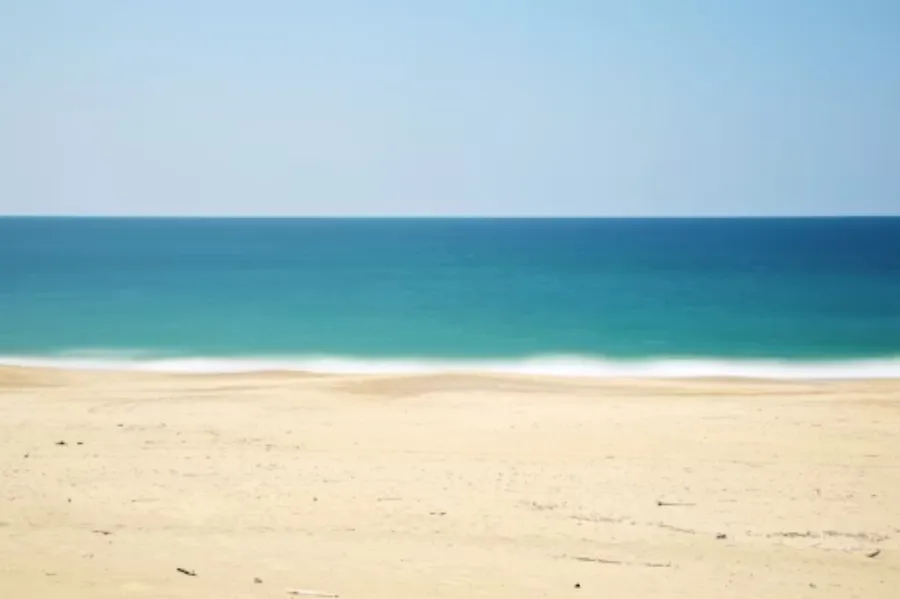
Vieques spent much of the twentieth century as a U.S. Navy bombing range, which inadvertently preserved its coastline from development. When the Navy withdrew in 2003, the former military land became the Vieques National Wildlife Refuge — and what was revealed was some of the most spectacular beach in the entire Caribbean, essentially untouched.
Playa La Chiva, known locally as Blue Beach, is the crown jewel: a long, arcing stretch of sand backed by low scrub and sea grape, with waters so clear and calm that the anchor chains of moored sailboats are visible in detail 20 feet down. Several small coves and rock formations break the shoreline into distinct swimming spots. The reef snorkeling on the eastern end is particularly good.
Best time to visit: December through May for the driest, calmest conditions.
How to Get There: Fly or take the seasonal ferry from Ceiba, Puerto Rico to Vieques — book the ferry well in advance as it fills up. On the island, a rental car or 4WD vehicle is strongly recommended; the refuge roads to Blue Beach are unpaved and can be rough.
Nearby Stay: El Blok Hotel in Esperanza is a stylish, architecturally interesting boutique hotel with a rooftop pool and excellent food. The Inn on the Blue Horizon, a few miles west of town, offers a quieter retreat with sweeping ocean views.
12. Lover's Key State Park — Fort Myers Beach, Florida
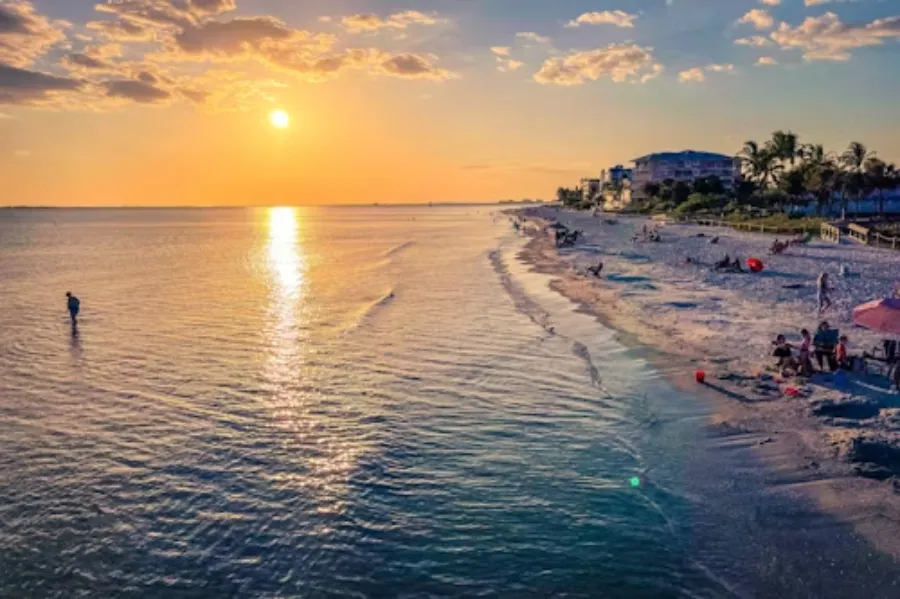
Lover's Key is four barrier islands connected by short bridges and boardwalks through mangrove forest — a habitat type that Florida has lost in alarming quantities to coastal development. The park sits at the quieter southern end of Fort Myers Beach, separated from the more commercial strip by geography and by its status as protected state land.
The beach itself is wide, shell-rich, and far calmer than the Gulf's reputation for crowds might suggest. Manatees move through the tidal channels between the islands in the cooler months. Shelling is excellent in winter. The park's kayak and canoe trails through the back-bay mangroves are among the best in Southwest Florida.
Best time to visit: November through February for cooler temperatures, excellent shelling, and the best chances of manatee sightings.
How to Get There: The park entrance is at 8700 Estero Blvd on the southern end of Fort Myers Beach. From I-75, take Exit 116 west and follow signs toward Fort Myers Beach, then continue south on Estero Blvd. A day-use fee applies.
Nearby Stay: The Lovers Key Resort, adjacent to the park entrance, offers condo-style accommodations with full kitchens — well-suited to longer stays. Pink Shell Beach Resort on Fort Myers Beach, a few miles north, is a family-friendly alternative with direct Gulf access.
13. Point Reyes National Seashore — Marin County, California
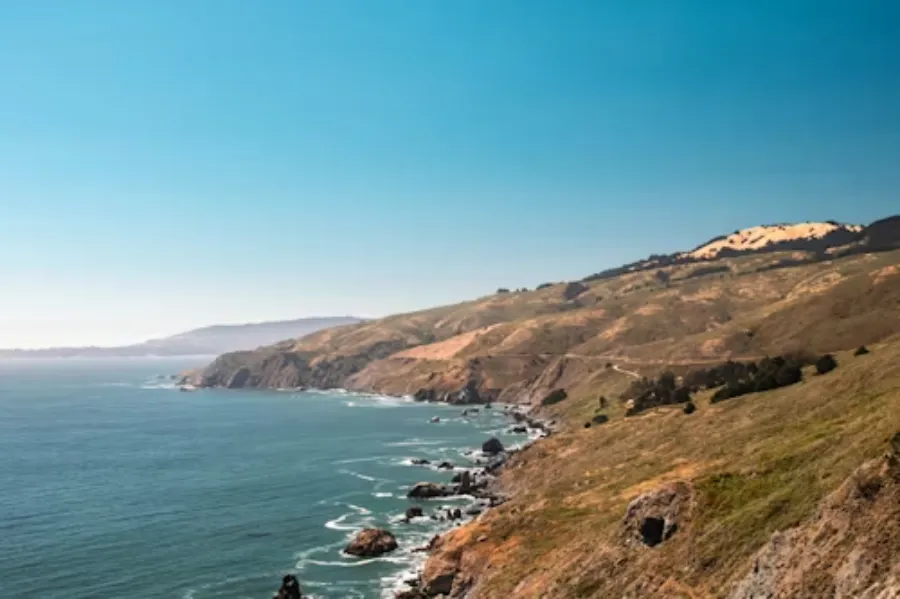
Point Reyes is a geological anomaly: a chunk of the Pacific Plate moving steadily northwest while the rest of California stays put, separated from the mainland by the San Andreas Fault. The result is a dramatic and windswept peninsula of headlands, lagoons, and cliff-backed shores just an hour from San Francisco that manages to feel thoroughly wild.
The seashore contains several distinct beaches. Limantour is the most sheltered and accessible; Drakes is wide and exposed, beloved by kitesurfers; McClure's, at the road's end, is backed by elephant seal colonies that haul out in impressive numbers in winter. On a weekday morning in September, it is entirely possible to walk for an hour along these beaches without passing another person.
Best time to visit: September and October, when coastal fog retreats and temperatures are mild. Avoid summer weekends near the visitor center.
How to Get There: From San Francisco, take US-101 north to Sir Francis Drake Blvd west, through Fairfax and Samuel P. Taylor State Park — about 1.5 hours total. Stop at the Bear Valley Visitor Center just past Olema for maps and current conditions. Each beach has its own signed turnoff within the seashore.
Nearby Stay: The Olema House at the park's entrance is a stylish, well-designed property and an ideal base. The Point Reyes Seashore Lodge in Olema is comfortable and within walking distance of the trailheads.
14. Playa Caracas (Red Beach) — Vieques, Puerto Rico
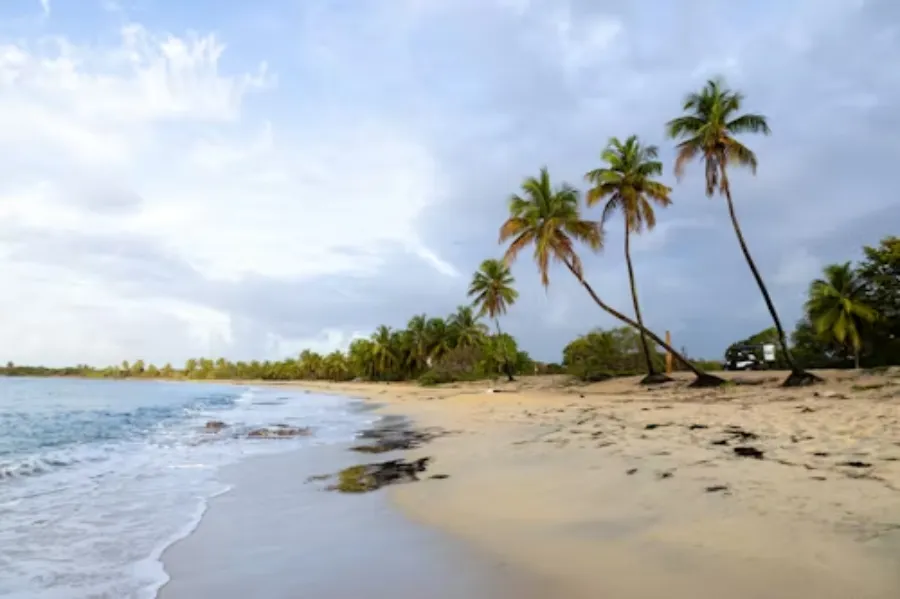
In a territory already rich with remarkable beaches, Playa Caracas stands apart. The sand here runs a deep reddish-tan, richer in iron oxide than the white-sand beaches to the north, and the bay is calm enough that it feels almost lacustrine — the kind of water where you can see your feet clearly at chest depth. The beach is within the Vieques National Wildlife Refuge and sees a fraction of the visitors of more promoted Caribbean destinations.
The absence of amenities is part of the appeal. There are no chairs to rent, no beach bars, no jet ski operations. You bring what you need and share the cove with pelicans working the shoreline and, if you're lucky, sea turtles passing through the shallows.
Best time to visit: January through April for the calmest, clearest water.
How to Get There: From Esperanza on the south shore of Vieques, head east through the wildlife refuge on the unpaved coastal road. Playa Caracas is signed within the refuge, approximately 3 miles east of town. A 4WD vehicle is recommended.
Nearby Stay: El Blok Hotel in Esperanza remains the most design-forward and consistently well-reviewed option on the island. For a more secluded experience, Hix Island House — a series of open-air concrete lofts set in the hills — offers complete privacy and excellent views.
15. Apostle Islands Sea Caves — Bayfield, Wisconsin
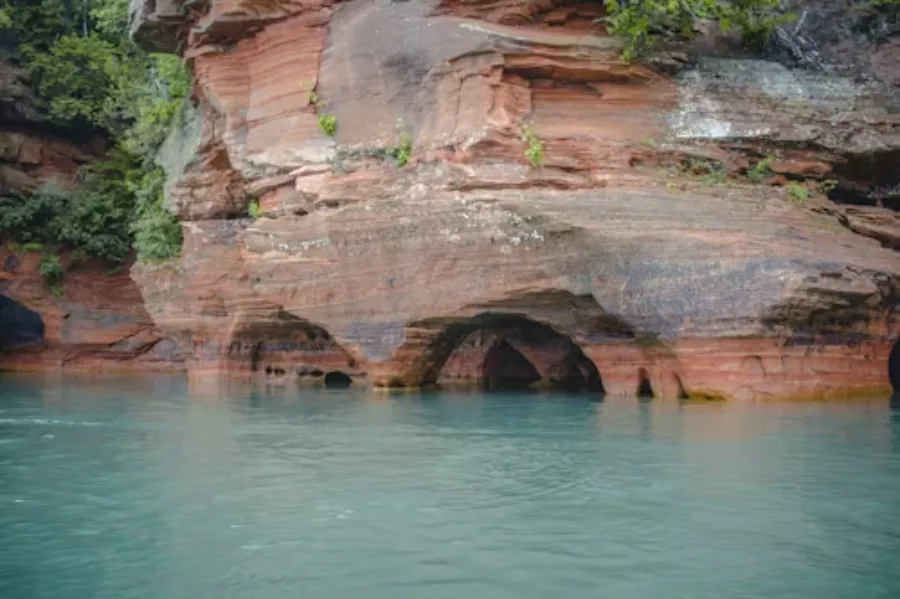
Lake Superior is the largest freshwater lake on earth by surface area, and its southern shore along Wisconsin's Bayfield Peninsula conceals one of the country's most dramatic hidden landscapes. Over thousands of years, lake waves have carved the Apostle Islands' sandstone cliffs into arching sea caves that glow amber and rust in afternoon light.
In summer, kayaking through these formations is a first-rate adventure — the caves are accessible by water, their ceilings hung with dripstone formations, their floors lit by refracted lake light. In winter, when the ice is thick enough, the caves freeze into something extraordinary: curtains of ice, blue columns, cathedral vaults of frozen water that visitors can walk beneath.
Best time to visit: July for kayaking; February for ice caves (check NPS conditions reports before planning).
How to Get There: Drive to Bayfield, Wisconsin — approximately 90 miles east of Duluth, MN via Highway 2. In summer, local outfitters run guided kayak tours to the caves. In winter, ice cave conditions and trail access are posted at the Apostle Islands National Lakeshore website. The Meyers Beach trailhead near Cornucopia is the access point for the ice cave walk.
Nearby Stay: Old Rittenhouse Inn in Bayfield is a grand Victorian mansion B&B with one of the best restaurants in northern Wisconsin. Several private rental properties along the peninsula offer excellent lakeside cabin experiences.
16. Enderts Beach — Crescent City, California
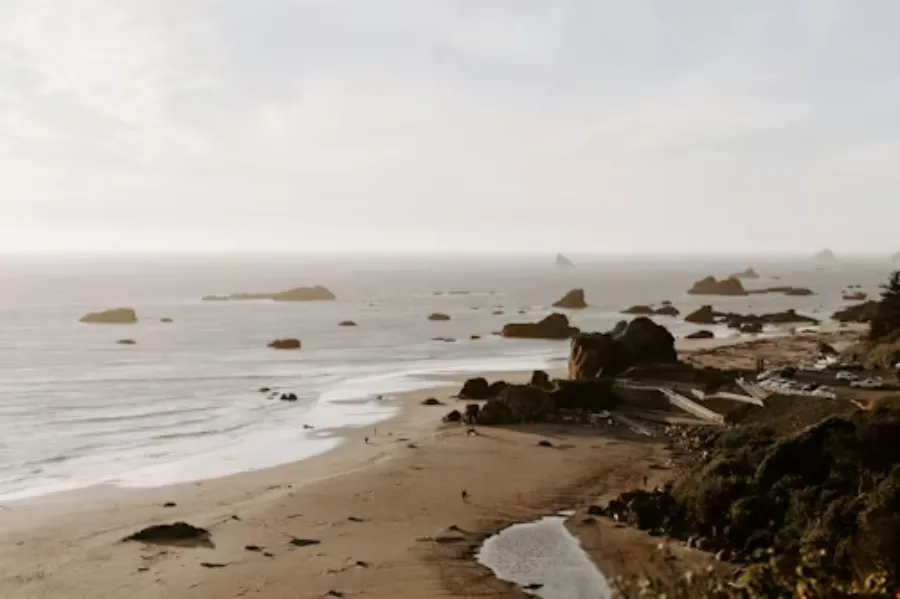
Redwood National and State Parks protect the tallest trees on earth, but the coastline at the park's southern end is often overlooked. Enderts Beach is a quiet cove where old-growth redwoods grow close enough to the edge that the forest canopy is visible from the sand — an unusual juxtaposition that makes the place feel entirely singular.
The tidal bench at Enderts is exceptional for marine life, with dense populations of sea stars, anemones, chitons, and limpets exposed at low water. The beach itself is pebbly rather than sandy, the surf unswimmable due to cold and current, but for tide pool exploration and that particular Pacific Northwest sense of wild solitude, it's hard to match.
Best time to visit: Spring and fall at low tide. Avoid summer weekends when the park sees more traffic.
How to Get There: From Crescent City, head south on US-101 and turn west onto Enderts Beach Road near the Requa area. Follow the road approximately 2.5 miles to the parking area. A short trail leads to the beach; the tide pool area is at the southern end.
Nearby Stay: The Requa Inn, overlooking the Klamath River, is a historic property with a good dining room and a deeply peaceful setting among the redwoods. In Crescent City, Crescent Beach Motel offers straightforward, affordable oceanfront rooms.
17. Hamoa Beach — Hana, Maui, Hawaii
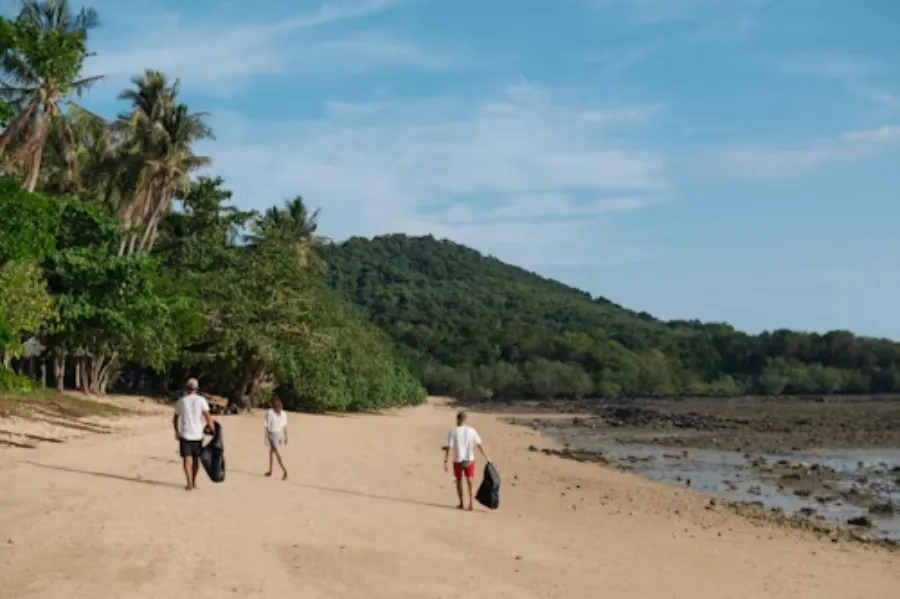
The Road to Hana is 52 miles of narrow, winding highway with 620 curves and 59 bridges. Most people drive it as a day trip from the resort towns of West Maui and turn around somewhere before actually reaching Hana, which means the eastern coast of Maui — and Hamoa Beach in particular — belongs largely to those willing to stay the night.
The beach is a wide crescent of dark grey-brown sand backed by ironwood trees and steep green bluffs, with bodysurfing conditions that are excellent in the right swell. James Michener, who knew his Pacific beaches, reportedly called it one of the finest he'd encountered.
Best time to visit: April through June, between the winter swells and the peak of summer visitors.
How to Get There: Take the Hana Highway (Route 360) from Paia — the drive takes approximately 2.5 hours with stops. From Hana town, continue south on Haneoo Road for about 1.5 miles to the public beach parking area.
Nearby Stay: Hana-Maui Resort is the only full-service resort in town and an exceptional retreat — book the sea ranch cottages for the most private experience. Bamboo Inn on Hana Bay is a well-regarded boutique alternative for those wanting simpler surroundings.
18. Race Point Beach — Provincetown, Massachusetts
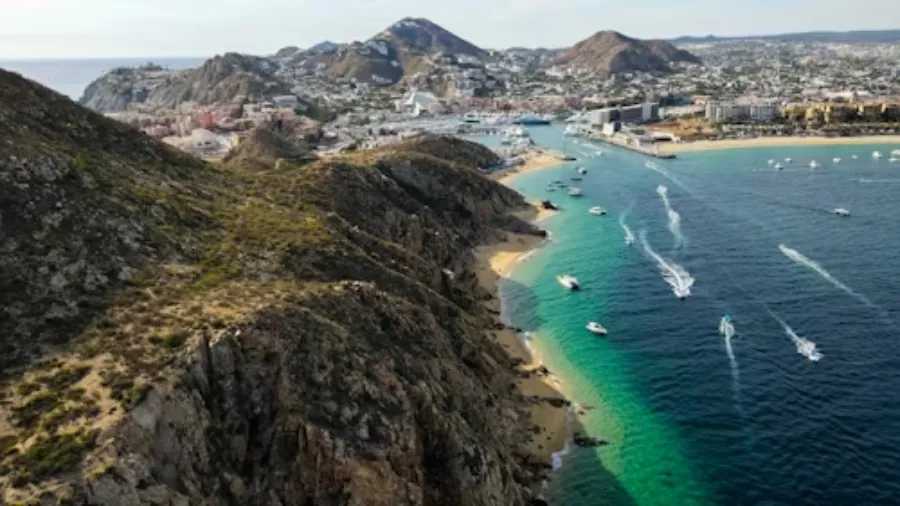
Cape Cod narrows to a curl at its northern tip, and Race Point is where it finally gives out — a vast sweep of Atlantic-facing beach within the Cape Cod National Seashore where the landscape feels more like the Outer Hebrides than the East Coast. The sand is pale and wind-scoured. Grey seals haul out on the sandbars in considerable numbers, and in season, humpback whales are sometimes visible from shore.
The Province Lands dunes nearby are among the most active and well-studied in the country, migrating visibly year over year, burying and revealing the scrub forest as they move.
Best time to visit: September — the summer crowds are gone, the water is at its warmest, and whale activity is often excellent.
How to Get There: From Provincetown center, follow Race Point Road north approximately 3 miles to the beach parking lot. A National Seashore pass is required for parking. In summer, the Provincetown Ferry from Boston provides a scenic alternative to driving the length of Route 6.
Nearby Stay: The Crowne Pointe Historic Inn & Spa in Provincetown is an elegant, adults-oriented property in a beautifully maintained historic building. The Brass Key Guesthouse is another strong boutique option in the heart of town.
19. Otter Rock — Newport, Oregon
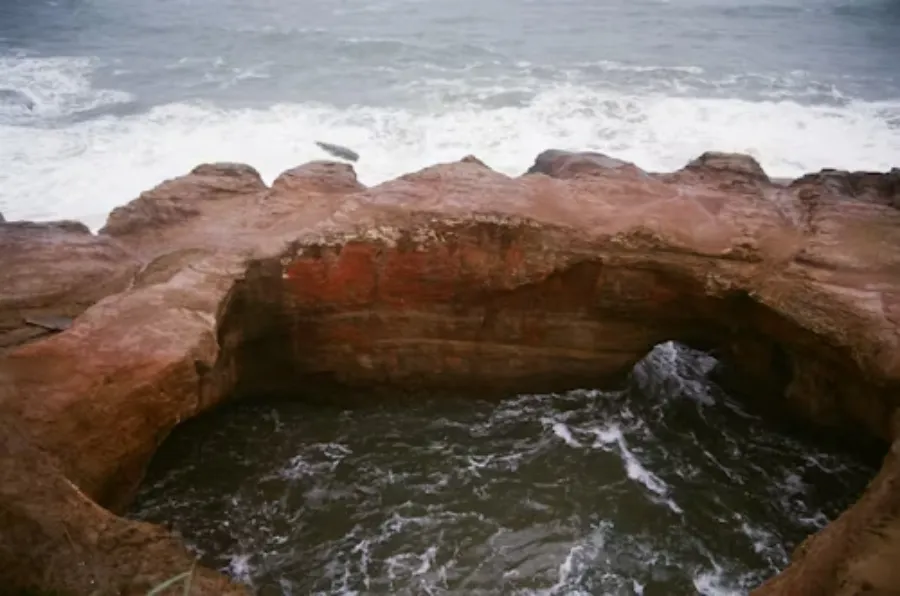
Oregon's coast is one of the most scenically spectacular and most consistently underestimated shorelines in the country. Nearly all of it is publicly owned — Oregon pioneered public beach access legislation in the 1960s and has never wavered. Otter Rock, a small crescent cove north of Newport below the Devil's Punchbowl headland, exemplifies what makes Oregon's coast distinct: the combination of offshore basalt formations, accessible tide pools, and surf conditions that produce excellent boogie boarding without the crowds of southern California.
The Devil's
Punchbowl itself — a collapsed sea cave that fills dramatically with each incoming wave — is worth a look from the headland above before descending to the beach.
Best time to visit: June through August for the most reliable calm and the warmest (relative) conditions.
How to Get There: From Newport, drive north on US-101 approximately 8 miles to the Otter Rock/Devil's Punchbowl State Natural Area exit. Park on the headland and walk down the steep trail to the cove. Steps have been cut into the cliff; the descent takes about five minutes.
Nearby Stay: Sylvia Beach Hotel in Newport is a genuinely one-of-a-kind property — a literary-themed inn where each room is designed around a different author, with no TV or Wi-Fi and an honesty-bar library on the top floor with ocean views. The Hallmark Resort Newport is a more conventional option with good sea-view rooms.
20. Kaanapali Beach (North End) — Maui, Hawaii

Kaanapali Beach is fronted by a row of major hotels and backed by a shopping center — not hidden by any stretch. But this entry is specifically about the northern end, past Black Rock (Puʻu Kekaʻa), where the hotel row ends and the beach becomes quieter and more local, with snorkeling around the lava rock formations that is as good as anything on Maui.
Arrive early on a weekday morning, pass Black Rock heading north, and you're likely to find the stretch beyond it relatively uncrowded by Maui standards — a meaningful distinction in a place this popular.
Best time to visit: Year-round; weekday mornings before beach service operations set up.
How to Get There: From Lahaina, head north on Honoapiilani Highway and turn west onto Kaanapali Parkway. Public beach access lots are available throughout the resort area. Walk north along the shoreline past the Sheraton Maui to reach the quieter stretch.
Nearby Stay: The Westin Maui Resort & Spa and the Marriott's Maui Ocean Club are both well-positioned along Kaanapali. For a more intimate stay, the Plantation Inn in Lahaina offers charming boutique rooms at a lower price point.
21. Kalaloch Beach — Olympic National Park, Washington
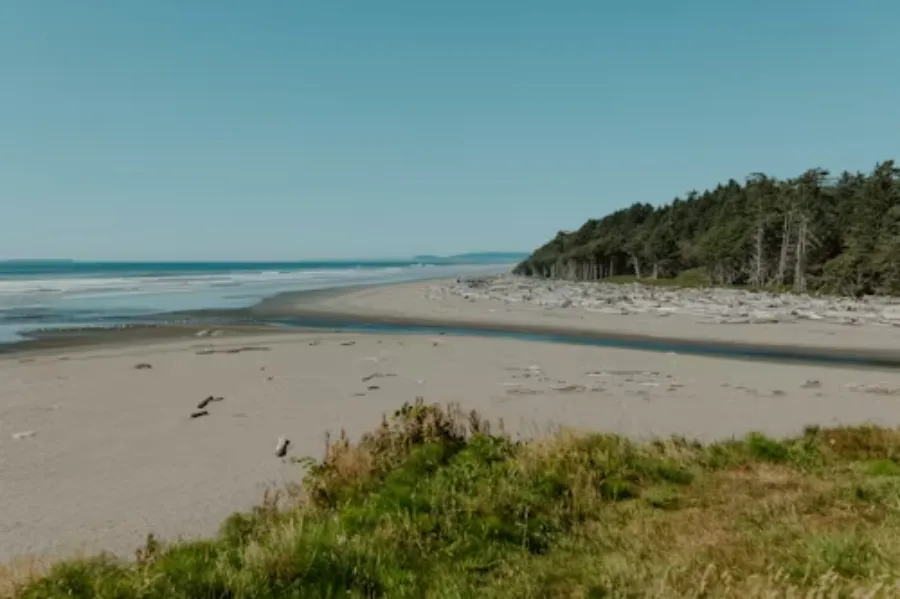
Kalaloch — the name comes from a Quinault word meaning "good place to land" — is a long, log-strewn stretch of Olympic coastline south of the Hoh Rain Forest. The light here is rarely direct; more often it's filtered through coastal overcast, giving the beach and the dark Pacific a quality that is simultaneously moody and deeply calming.
The Tree of Life, about a mile north of the lodge, is a Sitka spruce growing on an eroded bluff, its root system entirely exposed and hovering in the air above a cave created by erosion. That it is still alive feels like a small insistence by nature against its own rules.
Best time to visit: Late August through September for the driest conditions and some chance of actual sun.
How to Get There: From Aberdeen, WA, drive north on US-101 approximately 73 miles along the coast through Olympic National Park. Kalaloch is well-signed. The Tree of Life is about 1 mile north of the lodge at a small roadside pullout — look for the trail down to the beach.
Nearby Stay: Kalaloch Lodge, operated within the national park, offers cabins and lodge rooms with unobstructed ocean views. It books out many months in advance — reservations are essential.
22. Ship Island — Gulfport, Mississippi
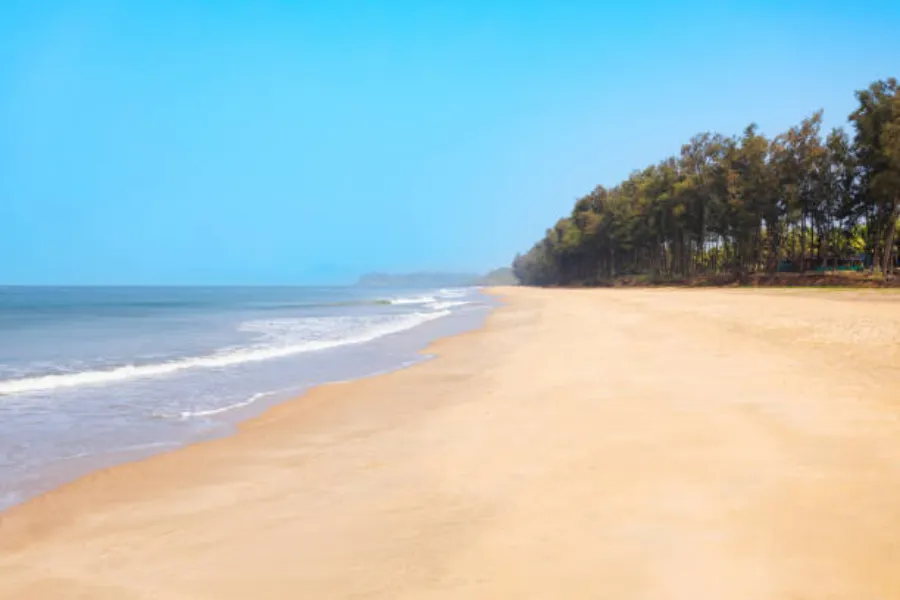
Most people, asked to name beautiful Gulf beaches, would reach for Florida before Mississippi. This is entirely to Ship Island's advantage. The island sits 12 miles offshore in the Gulf Islands National Seashore, accessible only by seasonal ferry from Gulfport, and its water — an emerald green that appears slightly implausible — is consistently ranked among the clearest on the Gulf Coast.
Fort Massachusetts, a nineteenth-century brick fortification that saw service in both the Civil War and the Spanish-American War, occupies the western end of the island and provides both shade and historical texture to the visit.
Best time to visit: April through May for warm water, minimal crowds, and before peak summer heat.
How to Get There: Seasonal ferries depart from the Gulfport Small Craft Harbor. Ship Island Excursions is the authorized ferry operator — check their website for current schedules and pricing. The crossing takes approximately one hour. No overnight stays are permitted on the island.
Nearby Stay: The White House Hotel in Biloxi is a handsomely restored historic property a short drive from the ferry terminal. The Beau Rivage Resort & Casino in Biloxi offers a full waterfront resort experience on the bay.
23. Torrey Pines State Natural Reserve — Del Mar, California
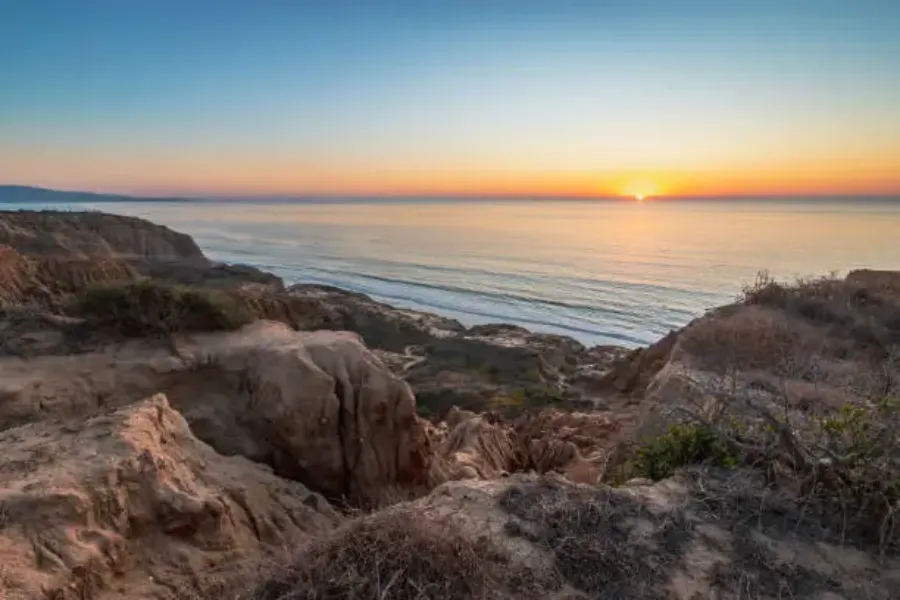
Torrey Pines protects the rarest native pine in North America — fewer than 9,000 grow in the wild, in two isolated groves, and one of them is here, clinging to the sandstone bluffs above a beach that happens to be one of the finest in San Diego. The reserve covers about 2,000 acres between Del Mar and La Jolla, and its trail network winds through chaparral and along clifftops with views that seem almost aerially expansive.
The beach below is narrower than those a few miles north and south but benefits enormously from the protected land above — no development, no beachfront hotels, just the cliffs and the Pacific and the occasional soaring red-tailed hawk.
Best time to visit: Weekday mornings year-round. Summer is busier but still manageable early in the day.
How to Get There: From I-5 in Del Mar, take Via de la Valle or Carmel Valley Road west to North Torrey Pines Road. The reserve entrance and parking are clearly marked. Parking fills by mid-morning on summer weekends — arrive early or take the Coaster train from downtown San Diego.
Nearby Stay: L'Auberge Del Mar is a polished resort just steps from the beach, with easy access to both the reserve trails and Del Mar's dining scene. The Hilton San Diego/Del Mar offers strong views from its bluff position at a more moderate price.
24. Driftwood Beach — Jekyll Island, Georgia
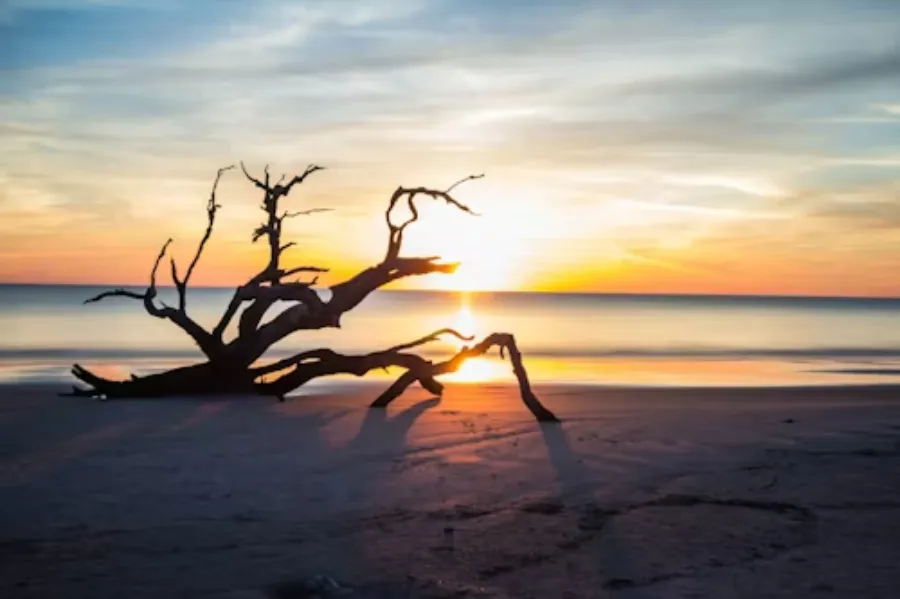
Jekyll Island's Driftwood Beach is genuinely strange, in the best possible way. Rising sea levels and shoreline erosion have claimed what was once a maritime forest, leaving the skeletons of ancient live oaks standing in the sand and tidal wash — bleached, sculpted by salt and time into shapes that are simultaneously morbid and beautiful. At sunrise, with low light cutting across the beach and the fog still hanging over the water, it looks like nothing else on the East Coast.
Jekyll Island has a complicated history — it was a private retreat for some of America's most powerful industrial families until the state of Georgia purchased it in 1947, and the island still carries a deliberate limit on development that gives it an unusual character.
Best time to visit: Sunrise, any season. Winter brings fewer visitors and softer, more atmospheric light.
How to Get There: Cross the Jekyll Island Causeway from Brunswick, GA (small toll applies). Head north on Beachview Drive — Driftwood Beach is at the island's northern end, near the Oceanside Inn. Parking is available at the beach access lot.
Nearby Stay: The Jekyll Island Club Resort occupies a magnificent Victorian complex on the island's western shore — a National Historic Landmark with well-preserved period architecture. The Westin Jekyll Island is a newer, more resort-standard option near the beach.
25. Plum Island — Newburyport, Massachusetts
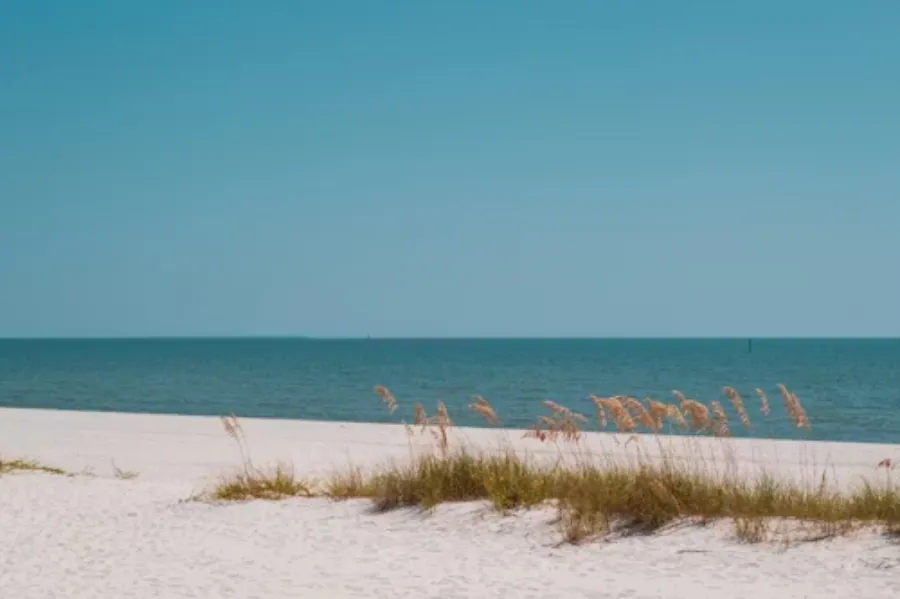
Plum Island is six miles long and, for most of its length, protected as the Parker River National Wildlife Refuge — one of the most significant shorebird and migratory waterfowl habitats on the entire Atlantic Flyway. The beach on the ocean side is wide, backed by dunes colonized by beach plum and rugosa rose, and exposed to the full fetch of the North Atlantic in a way that makes it feel considerably more remote than its proximity to Boston might suggest.
In spring and fall, the birding here is exceptional — the refuge sits at a critical junction in the migration corridor, and the diversity of species passing through is extraordinary.
Best time to visit: May for spring migration; September for fall movement and warm, uncrowded beach days.
How to Get There: From Newburyport, follow the Plum Island Turnpike east across the bridge. The Parker River National Wildlife Refuge entrance is on the right. A day-use fee applies. Check fws.gov before visiting as the refuge occasionally closes sections in summer due to nesting activity.
Nearby Stay: The Garrison Inn in downtown Newburyport is a well-run, historic property walkable to excellent restaurants along the waterfront. Several small B&Bs operate in Newburyport's Federal-era residential neighbourhoods for a more intimate stay.
26. Waimea Bay — Oahu, Hawaii
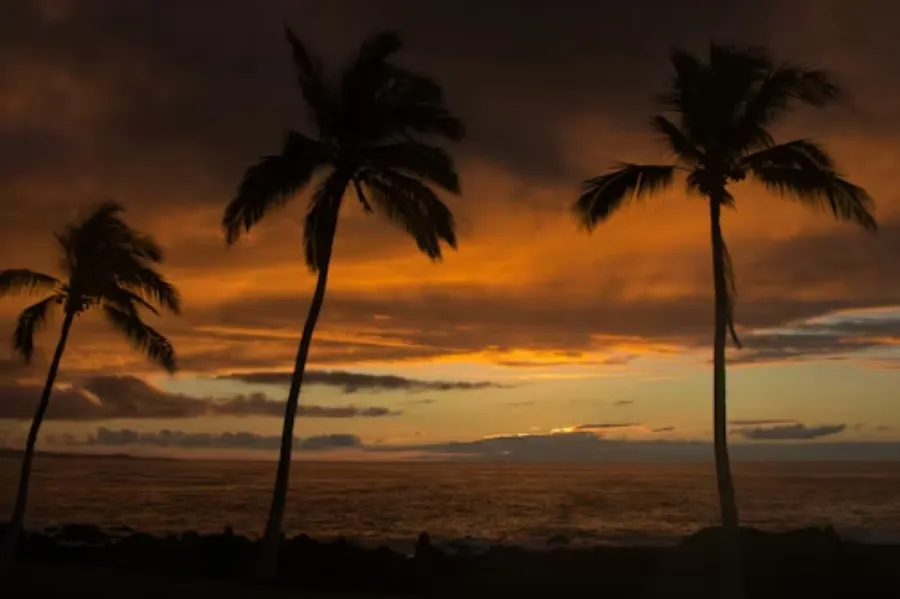
The name Waimea Bay carries different meanings depending on the season. From November through February, it is one of the most consequential big-wave surfing locations in the world — the Eddie Aikau Big Wave Invitational runs here in waves that sometimes exceed 40 feet. Standing on the shore during a Waimea swell is an experience in raw natural force.
But come June, the offshore swells back off and the bay becomes something entirely different: a placid, deep-blue swimming cove calm enough for snorkeling and cliff jumping from the large boulder on the north side. The transformation from terrifying to tranquil is one of the more remarkable seasonal shifts in American beach geography.
Best time to visit: June through August for swimming and snorkeling. In winter, observe only from shore — never enter the water during swell events.
How to Get There: From Honolulu, take H-1 west, then H-2 north, then Route 99 (Kamehameha Highway) to the North Shore — approximately 45 minutes. Waimea Bay Beach Park is clearly signed. Parking fills early in summer; arrive before 9am or take the North Shore Shuttle from Haleiwa.
Nearby Stay: Turtle Bay Resort on the North Shore is the only full-service resort on this side of Oahu, set on a 1,300-acre oceanfront property with multiple beaches. Vacation rentals in Haleiwa or Pupukea offer a quieter, more affordable alternative.
27. Magens Bay — St. Thomas, U.S. Virgin Islands
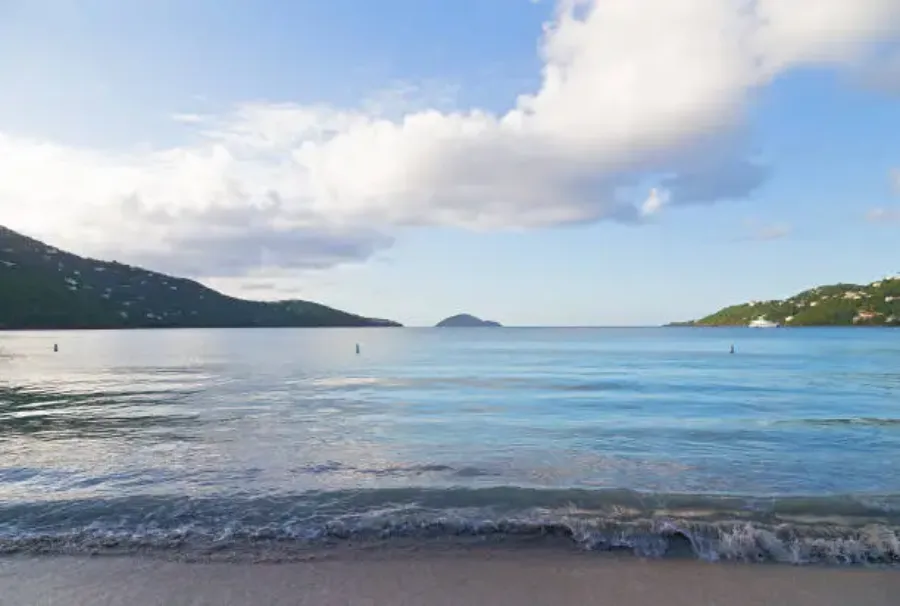
The bay is shaped like a heart — visible on maps, unmistakable from the hilltop overlook above it — and the water inside the crescent is protected enough from Atlantic swell that it stays calm almost year-round. The sand is pale and the hills surrounding the bay are thickly forested, giving Magens a contained, almost amphitheatrical quality.
Arrive before 10am and the beach belongs largely to you, to the pelicans working the shallows, and to a scattering of local families. By noon it's transformed. By 4pm, after the cruise crowd has headed back for sail, it quiets again.
Best time to visit: Early morning, any time of year. January through April for the dry season's best visibility.
How to Get There: From Charlotte Amalie, take Route 35 north over the ridge to Magens Bay Road — approximately 20 to 30 minutes. Taxis run regularly from the cruise pier and airport. A small entrance fee applies at the beach gate.
Nearby Stay: The Frenchman's Reef Marriott Resort in Charlotte Amalie offers harbour views and easy access to island amenities. For a quieter experience, the ferry to St. John runs frequently from the Red Hook terminal — Gallows Point Resort and the Westin St. John are both strong options there.
28. Rincón — Puerto Rico
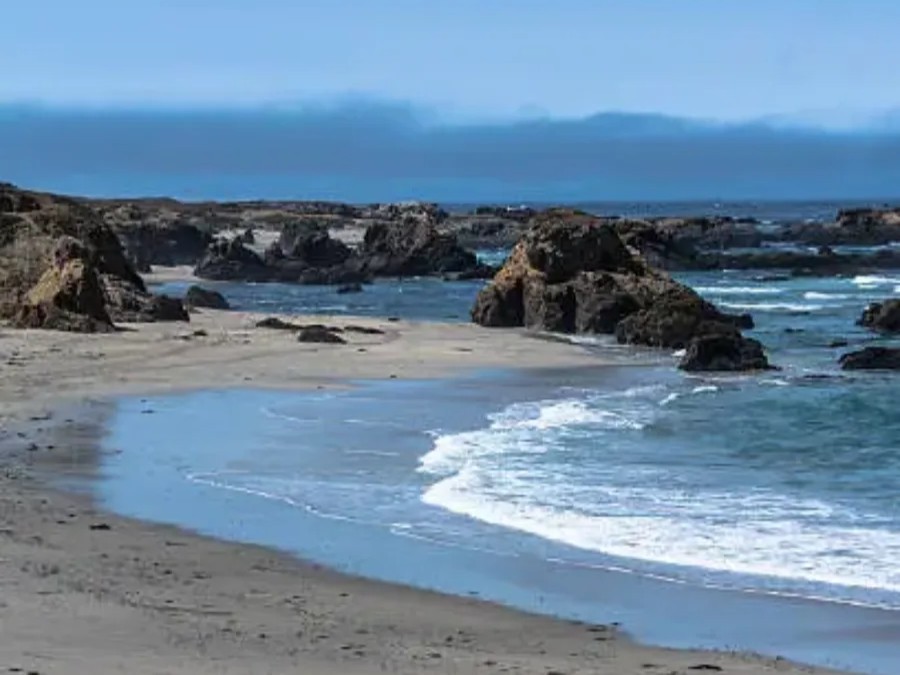
Puerto Rico's west coast is where the Caribbean Sea meets the Atlantic Ocean, a confluence that produces the wave conditions that drew mainland surfers to Rincón in the 1960s — some of the best surfing waves in the Western Hemisphere arrive here in winter, which is why the town hosted the 1968 World Surfing Championship and has never quite looked back.
In summer, the swells diminish and the water calms into excellent swimming and snorkeling conditions. Tres Palmas Marine Reserve, just offshore, protects a reef system that is among the healthiest remaining coral in the Caribbean — an increasingly rare thing.
Best time to visit: November through April for surf; May through October for calmer water and fewer visitors.
How to Get There: From San Juan, drive west on PR-22 to Aguadilla, then south on PR-2 and PR-115 to Rincón — approximately 2.5 hours. Alternatively, fly into Rafael Hernández Airport in Aguadilla, about 20 minutes away.
Nearby Stay: The Horned Dorset Primavera is a refined, adults-only property with no TVs, no phones, and one of the finest kitchens in Puerto Rico. Beside the Pointe is a well-regarded guesthouse favoured by the surf community for its waterfront position and relaxed atmosphere.
29. Sandy Neck Beach — Barnstable, Massachusetts
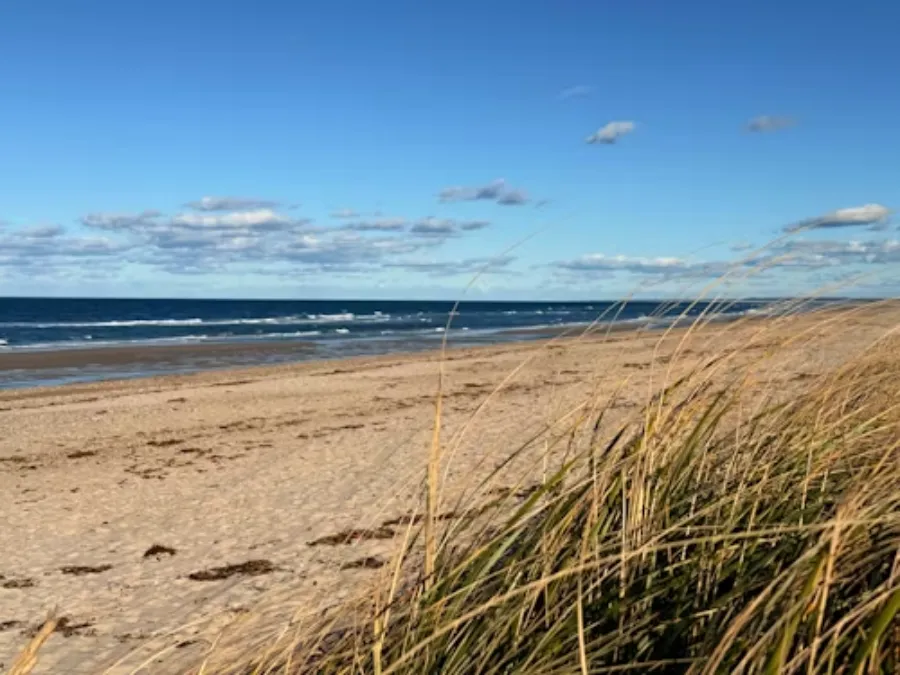
Cape Cod Bay is the gentler side of the Cape — warmer than the ocean-facing shores, sheltered from Atlantic swell, with water that reaches tolerable temperatures in early July and holds them into October. Sandy Neck is a six-mile barrier beach on this sheltered side, backed by one of the largest and most intact coastal dune ecosystems in the northeastern United States.
The dunes at Sandy Neck rise to 100 feet in places, a landscape more reminiscent of the Sahel than New England. Behind them, freshwater kettle ponds formed by glacial deposits support rare plant communities and amphibian populations that have thrived here since the last ice age.
Best time to visit: June for the first warm swimming days; September for empty beaches and warm-enough water.
How to Get There: From Route 6A in West Barnstable, turn north on Sandy Neck Road and follow it to the parking area at the gatehouse. A day-use fee is charged in season. The beach is managed by Barnstable County — not the National Seashore — which is partly why it flies under the tourism radar.
Nearby Stay: The Beechwood Inn in Barnstable Village is a well-maintained Victorian B&B within easy reach of Sandy Neck. Chatham Bars Inn, one of Cape Cod's most classic resort properties, is about 30 miles east and worth considering for a longer stay on the Cape.
30. Shark Fin Cove — Davenport, California
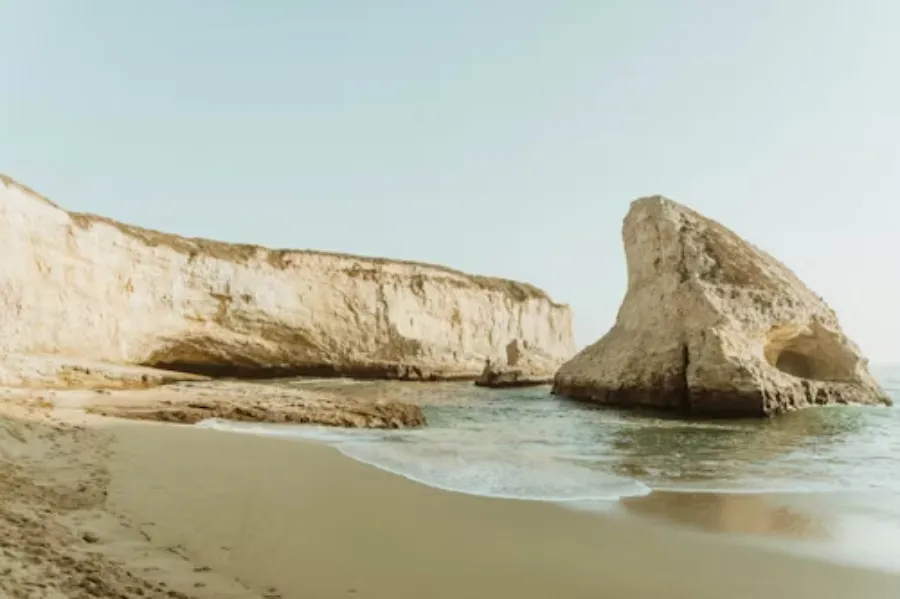
The pull-off on Highway 1 north of Santa Cruz is unmarked. You notice the wooden staircase only if you know to look for it, or if you catch a glimpse of turquoise through the coastal scrub. At the bottom of the stairs is a small, enclosed cove — its floor sand and pebble, its walls sandstone — and rising from the center of the beach: a single dark rock shaped precisely like a shark's dorsal fin, 15 feet tall, around which the Pacific washes on all sides.
The cove is narrow enough that the walls create their own wind shadow, and on a calm afternoon it can be ten degrees warmer inside than on the highway above. On weekday mornings before 10am, you may well have it entirely to yourself — which for a beach this beautiful and this close to a major city is a small miracle.
Best time to visit: Weekday mornings, July through September.
How to Get There: Drive north from Santa Cruz on Highway 1 for approximately 10 miles toward Davenport. Look for a small gravel pull-off on the ocean side of the highway, just south of town. A wooden staircase descends to the cove. There is no signage — go slowly and watch the oceanside shoulder carefully.
Nearby Stay: Davenport Roadhouse is a characterful local institution with simple rooms, a good bar, and an excellent position directly on the clifftop. In Santa Cruz, the Dream Inn offers well-appointed ocean-view rooms on the beach and easy access to the Westside's restaurants and surf scene.
Closing Thoughts
The beaches in this list range from a 10-minute walk off a California highway to a two-hour hike through Hawaiian jungle to a ferry crossing in the Gulf of Mexico. What they share is the quality that comes from not being easy: the absence of infrastructure, the sense that you've arrived somewhere that isn't performing for tourists.

USA
Latest Blogs
30 Hidden Beaches in Sri Lanka

13 Best Sunset Points in Sri Lanka (2026 Guide)

25 Photos That Will Make You Want to Visit Sri Lanka Right Now
7 Underrated Weekend Getaways Near Colombo

10 Budget-Friendly Cities in Sri Lanka
30 Hidden Beaches in the USA
13 Best Sunset Points in the USA (2026 Guide)

Hostel vs Hotel vs Airbnb in USA: What Is Really Cheaper in 2026?
25 Photos That Will Make You Want to Visit the USA Right Now
7 Underrated Weekend Getaways Near Chicago
10 Budget-Friendly Cities in the USA You Can Visit This Year
7 Days in Sri Lanka: The Ultimate Itinerary (2026 Guide)
7 Days in Switzerland: The Ultimate Itinerary (2026 Guide)

7 Days in UAE: The Ultimate Itinerary (2026 Guide)
7 Days in Germany: The Ultimate Itinerary (2026 Guide)
7 Days in Hong Kong: The Ultimate Itinerary (2026 Guide)
Sri Lanka for First-Time Visitors: Complete Travel Guide 2026
Why Italy Is the Ultimate European Vacation for Americans
Best Beaches in India

Best National Parks in Sri Lanka for Wildlife & Safaris

Best Places to Visit in Sri Lanka

Explore India’s Tropical Escapes: Goa, Kerala & Andaman

Visit India’s Iconic Landmarks: Taj Mahal & More

7 Best Summer Travel Destinations in India
Small Italian Towns That Make You Fall in Love With Italy

Experiencing Maori Culture as a Respectful Traveler

Traveling Spain by Train vs Renting a Car
Eating in Italy: Lessons About Food, Time & Culture
Small Towns in New Zealand: A Unique Travel Experience
Exploring Southern Spain’s White Villages: Travel Guide

Traveling Italy Slowly: Fewer Cities, Better Experiences
Driving New Zealand’s Scenic Roads Without Rushing the Trip
Living on Spanish Time: How Slow Days Change Travel

Italy Beyond Rome & Venice: Cities That Truly Surprised Me
New Zealand Without Adrenaline: A Calm Way to Explore
Spain Beyond Barcelona & Madrid: Cities That Feel Authentic
Winter Travel in Finland Without Extreme Adventure
Photographing Iceland Without a Drone or Expensive Gear
A Slow Travel Journey Through Norway’s Small Coastal Villages
Experiencing Sauna Culture in Finland as a Traveler
Driving Iceland’s Ring Road: What No One Tells You Before You Go

What It’s Really Like Traveling Above the Arctic Circle in Norway
Why Finland Feels Like the Most Peaceful Country to Travel In
Iceland Is Not Just About Waterfalls: Experiences That Surprised Me
Norway Beyond the Fjords: Unexpected Experiences Most Travelers Miss
Best Nightlife Experiences in the USA (Clubs, Bars & Rooftops)
Best Beach Destinations in the USA for Relaxation & Water Activities

Top USA Cities to Celebrate New Year’s Eve

Best Festivals & Events in the USA Worth Traveling For
Best Weekend Getaways in the USA
Hidden Gems in the USA Most Tourists Miss

Best Cities to Visit in the USA for Tourists
Top National Parks in the USA You Should Visit Once in Your Life
Best Budget Travel Destinations in the USA
Best Time to Visit the USA: Month-by-Month Travel Guide
Top USA Road Trip Routes You Must Experience
Best Places to Visit in the USA for First-Time Travelers

Roast Duck A Juicy and Flavorful American Classic

Creamy Chicken A Rich and Comforting American Classic

Bacon Meatballs A Flavor-Packed American Comfort Favorite

Honey Mustard Chicken A Sweet and Savory American Favorite

Pork Tenderloin A Lean and Flavorful American Classic

Tacho Macau’s Hearty Portuguese-Inspired Comfort Dish

Malaysian Satay A Smoky Street Food Classic Loved Worldwide

Dutch Cheese Gouda and Edam, The Pride of the Netherlands

African Chicken Macau’s Bold Fusion Dish with Portuguese Roots

Laksa Malaysia’s Iconic Noodle Soup Bursting with Flavor

Poffertjes The Fluffy Dutch Mini Pancakes Loved by All

Macanese Pork Chop Bun Macau’s Iconic Street Food Sandwich

Roti Canai Malaysia’s Beloved Flaky Flatbread
Haring The Iconic Dutch Raw Herring Tradition

Minchi Macau’s Comforting Minced Meat Classic with Portuguese Influence

Char Kway Teow: Malaysia’s Smoky Stir-Fried Noodle Street Food Classic

Bitterballen: The Ultimate Dutch Comfort Snack

Portuguese Egg Tart Macau’s Iconic Custard Pastry with a Golden Legacy
Nasi Lemak Malaysia’s Beloved National Dish of Comfort and Flavor

Stroopwafels The Iconic Dutch Caramel Waffle Treat
Breadfruit and Fish A Classic Seychellois Coastal Comfort Dish

Brunost Norway’s Sweet and Savory Brown Cheese Tradition

New Zealand Meat Pies: The Ultimate Kiwi Comfort Food

Ladob Seychelles’ Sweet and Comforting Coconut Dessert

Kjottkaker Norway’s Classic Homemade Meatball Tradition
Fish and Chips New Zealand’s Iconic Coastal Comfort Food

Shark Chutney A Traditional Seychellois Seafood Delight
Lutefisk A Classic Norwegian Holiday Dish

Lamb The Quintessential New Zealand Culinary Delight

Octopus Curry A Flavorful Seychellois Seafood Classic
Rakfisk Norway’s Bold and Traditional Fermented Fish Delicacy

Pavlova New Zealand’s Light and Elegant Dessert Icon

Grilled Fish A Taste of the Seychelles Ocean

Farikal Norway’s Timeless Lamb and Cabbage Stew

Hangi The Ancient Earth-Cooked Feast of New Zealand Hangi

Hoppers (Appa) Sri Lanka’s Crispy Coconut Pancake Delight

Kottu Roti

String Hoppers (Idiyappam)

Pol Sambol

Paella

Tapas

Tortilla Española

Churros

Gazpacho

Rice and Curry

Alplermagronen

Swiss Chocolate

Rösti

Raclette

Cheese Fondue

Pide

Lahmacun

Baklava

Döner

Kebab

Khubz

Luqaimat

Shawarma

Al Harees

Machboos
Satay

Char Kway Teow

Laksa
Chilli Crab

Hainanese Chicken Rice

Moussaka

Greek Salad

Spanakopita

Greek Chicken Souvlaki Recipe with Tzatziki

Bianco Fish
Private Chartered Boats Now Available in Mykonos, Greece
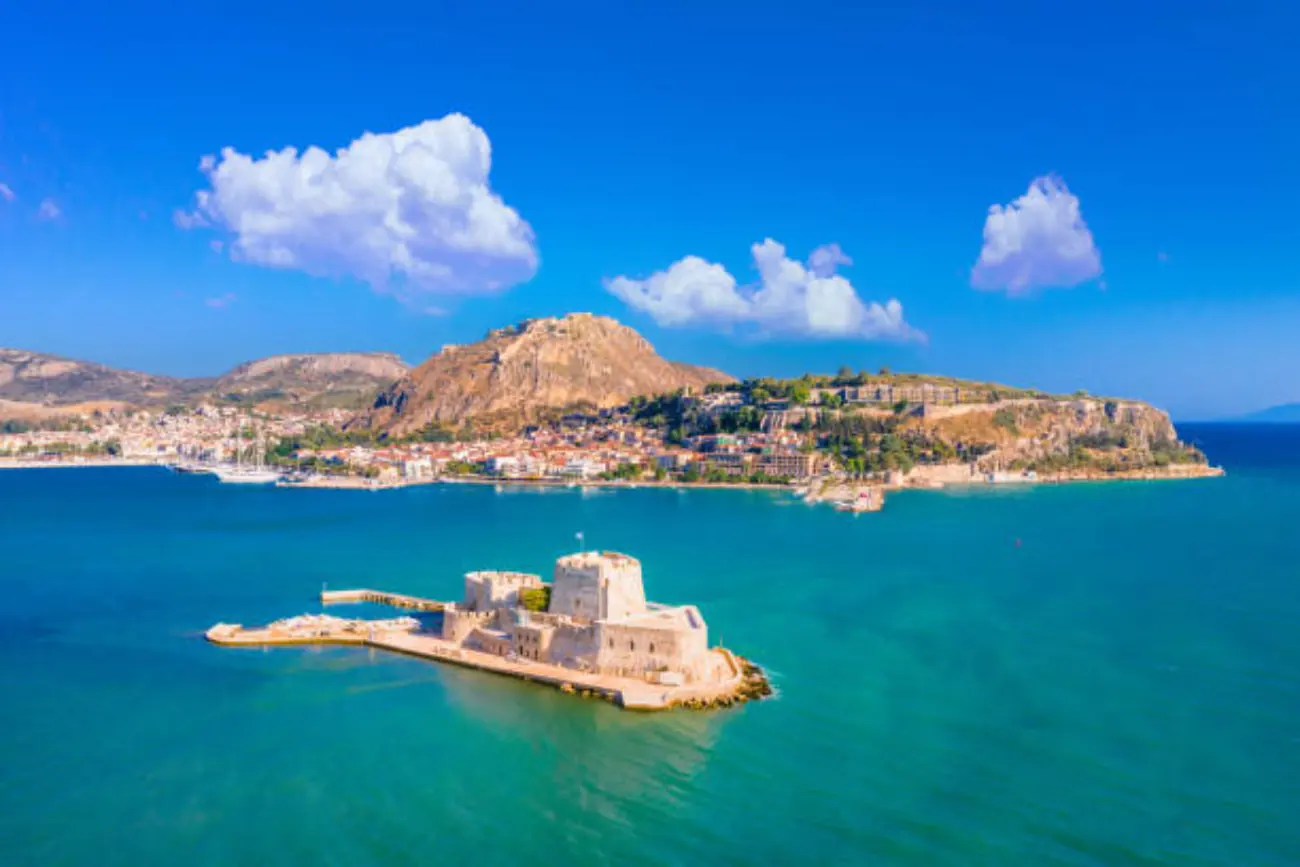
The Indian Traveller's Guide to Greece: Beyond the Usual!
21 Best Things To Do in Paros, Greece
Greece Family Holidays: Ultimate Guide to Perfect Family Vacations
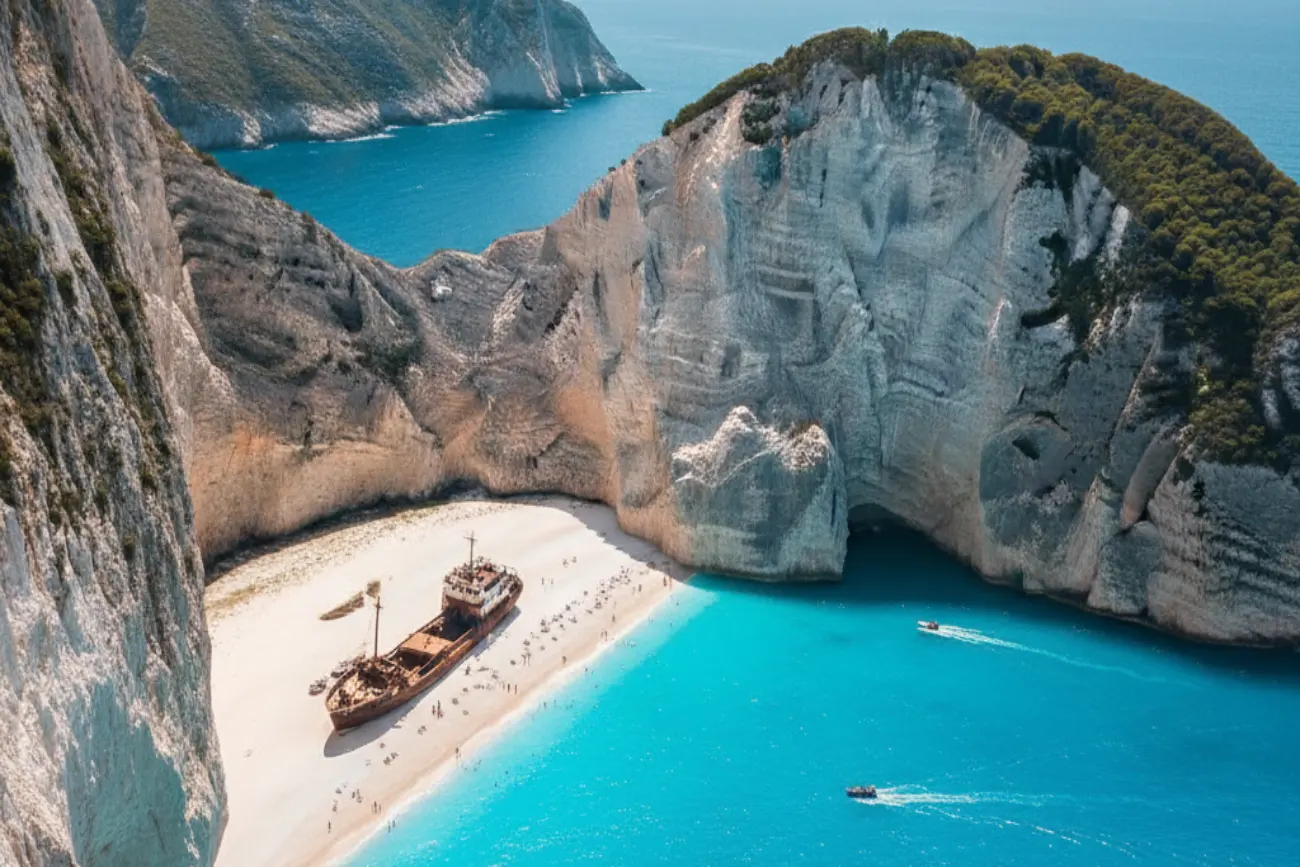
Visit The Navagio Beach Shipwreck In Zakynthos
Journey through the timeless beauty of Greece’s Destinations
MyKonoos Gateway to Extraordinary Experiences

Travel: Explore. Dream. Discover.

Greece Awaits: Your Guide to Exploring Its Rich Heritage and Stunning Islands

Discover the Magic of Greece’s Historic Heart: Acropolis

Experience the Timeless Charm of Greece’s Historic Heart : Ancient Agora