





















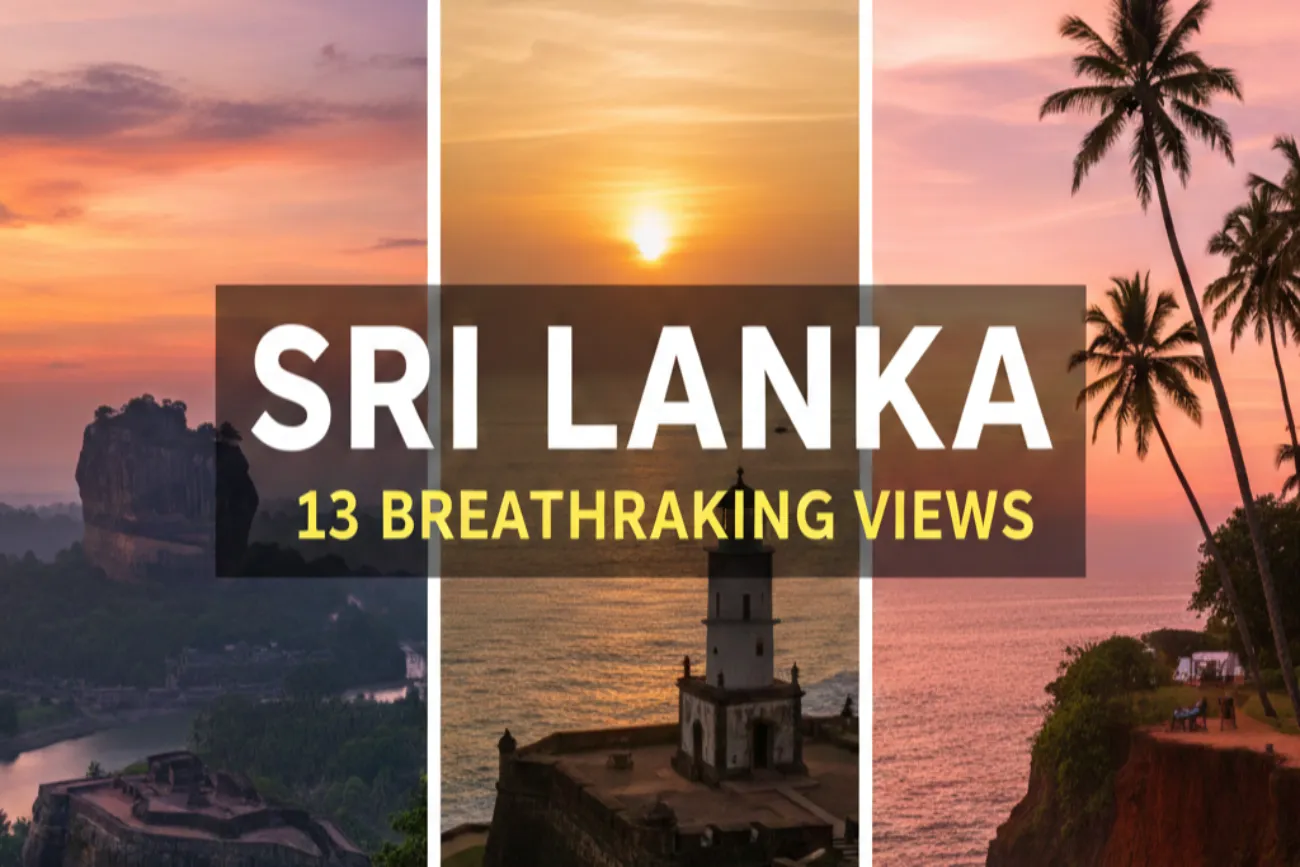
13 Best Sunset Points in Sri Lanka (2026 Guide)
Mar 18, 2026
Ritik Rana
Introduction: Why Sri Lanka Does Sunsets Differently
Sri Lanka is a small island with an outsized relationship with light. Positioned just north of the equator in the Indian Ocean, it catches the sun at an angle that turns ordinary evenings into something close to theatrical — the sky cycling through amber, rose, violet, and deep indigo in the space of twenty minutes, with the ocean or the jungle or ancient stone beneath it all catching every shift.
The island's geographic variety is the key to it. A sunset from the ramparts of a 17th-century Dutch fort on the southern coast shares almost nothing visually with a sunset from a 2,243-metre sacred peak in the hill country, which shares nothing with a sunset watched from a jungle-backed east coast beach or from the edge of a volcanic rock fortress rising from the cultural triangle's flat jungle.
These are the 13 best places in Sri Lanka to watch the sun go down — ranked not just for the quality of the light, but for the totality of the experience.
1. Galle Fort Ramparts — Galle, Southern Province
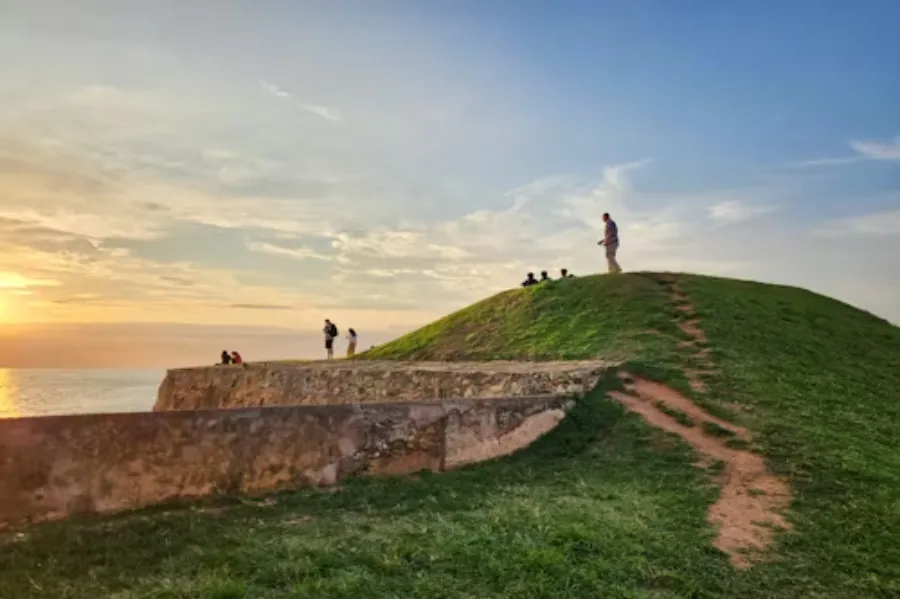
Province: Southern Province Best viewpoint: Lighthouse end of the ramparts, Flag Rock bastion Best season: November to April Crowd level: Moderate — the wall is wide enough to absorb visitors without feeling crowded even in peak season
The Sunset That History Built
There is something particularly satisfying about watching the sun go down from a wall that has been standing since 1663. The Dutch-built ramparts of Galle Fort — a UNESCO World Heritage Site on Sri Lanka's southwestern tip — form a wide, unobstructed promenade above the Indian Ocean, and on a clear evening between November and April, the view west from the lighthouse end is one of the finest in the country.
As the sun descends toward the open Indian Ocean, the light does something specific to the old Dutch fortification that a modern viewing platform never could: it warms the ancient coral-stone walls from grey to gold, illuminates the lighthouse above in sharp white, and sends a long reflection across the water below the bastion — all simultaneously. The town within the fort walls lights up as the evening cools, and the sound of the call to prayer from the mosque in the fort's interior drifts up to the ramparts just as the last light leaves the water.
The fort itself rewards the hours before sunset. Its interior is a dense grid of colonial-era streets — Dutch-gabled townhouses, boutique hotels, atmospheric cafes — and the crowd that gathers on the ramparts at dusk is a pleasant mix of local families, long-term travelers, and honeymooners who have discovered that this is one of the most romantic spots on the island. The wall is wide enough to walk, sit, or set up a camera without feeling crowded even in high season.
What makes it special: No other sunset point in Sri Lanka combines world-class natural light with 360 years of living history beneath your feet — the fort's coral-stone walls, its lighthouse, its colonial street grid, and the open Indian Ocean all visible simultaneously in a single evening scene.
Pro tip: Walk the full length of the ramparts from the main gate to Flag Rock before settling on your position — the view changes significantly at each bastion, and Flag Rock, at the southwestern corner, offers the most unobstructed ocean horizon. Arrive at least 45 minutes before sunset to walk the walls while the light is still warm.
Don't miss: Stay 20 minutes after the sun drops. The post-sunset sky over the Indian Ocean develops extraordinary pink and violet tones as the light fades, and the fort's interior streets, now lit by their own lamps, become genuinely atmospheric — a walk through the old town after sunset is as memorable as the sunset itself.
2. Adam's Peak (Sri Pada) — Hatton, Central Province
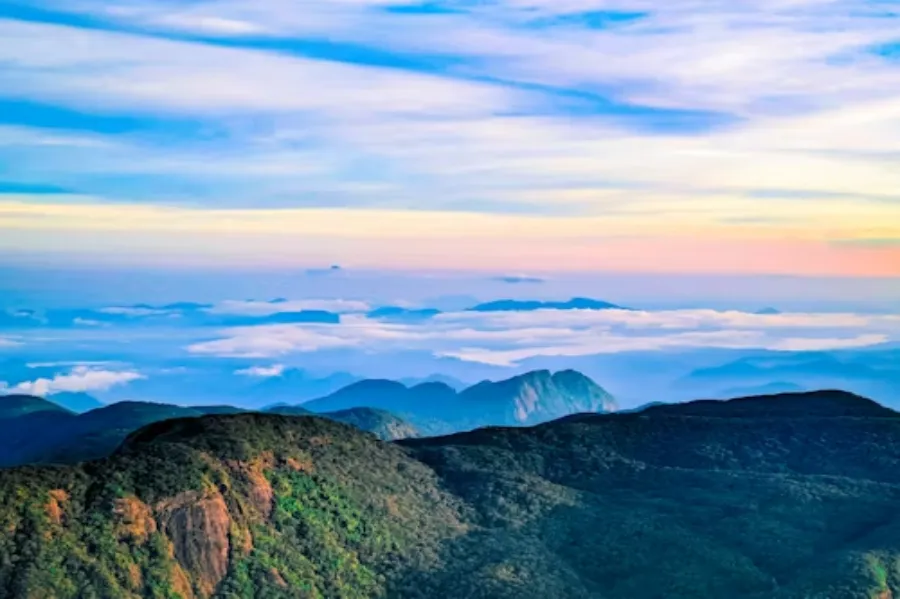
Province: Central Province Best viewpoint: The summit (2,243 metres), looking west over the hill country Best season: December to May (pilgrimage season, when the path is lit) Crowd level: High during pilgrimage season on weekends; moderate on weekdays; very low outside season
Sacred Light at 2,243 Metres
Sri Lanka's most sacred mountain is climbed most often before dawn — pilgrims and hikers beginning the ascent in the early hours to reach the summit in time for sunrise. But the view from the peak as the sun sets in the west is equally extraordinary and significantly less discussed. From the summit, the hill country drops away in every direction in a landscape of extraordinary complexity — ridge after ridge of tea estate and jungle descending to the coastal plains, with the Indian Ocean visible on the clearest days as a thin silver line at the horizon.
As the sun descends, it casts the peak's famous geometric shadow — a perfect pyramid projected across the valleys to the east — while simultaneously turning the surrounding hill country from green to gold to deep amber. The pilgrimage lamps along the trail below begin to glow before the sun is fully down, and watching the light transition from natural to artificial across the switch backing path below the summit is one of the more visually unusual experiences available at a Sri Lankan sunset.
The sacred footprint at the summit — venerated by Buddhists, Hindus, Christians, and Muslims alike — makes Adam's Peak one of the most genuinely interfaith pilgrimage sites in the world, and that atmosphere of quiet reverence adds something to the sunset that no purely scenic viewpoint can replicate.
What makes it special: The combination of the 2,243-metre elevation, the hill country's extraordinary topographic complexity, the sacred atmosphere of the summit, and the famous shadow projection — a geometric pyramid cast across the valleys to the east as the sun descends — creates a sunset experience found nowhere else in Sri Lanka.
Pro tip: The climb involves approximately 5,500 steps and takes 3 to 5 hours depending on fitness. Plan your departure from the trailhead at Nallathanniya to arrive at the summit 45 minutes before sunset — the trail is lit during pilgrimage season so the descent can be made safely after dark. Carry warm layers; summit temperatures drop sharply after sunset.
Don't miss: Turn east as the sun sets and watch the shadow. Adam's Peak's perfectly conical summit casts a geometrically precise triangular shadow across the valleys below — one of the most remarkable optical phenomena in Sri Lanka and the reason many pilgrims specifically choose a late afternoon ascent over the more famous sunrise.
3. Sigiriya Rock Fortress — Cultural Triangle, Central Province
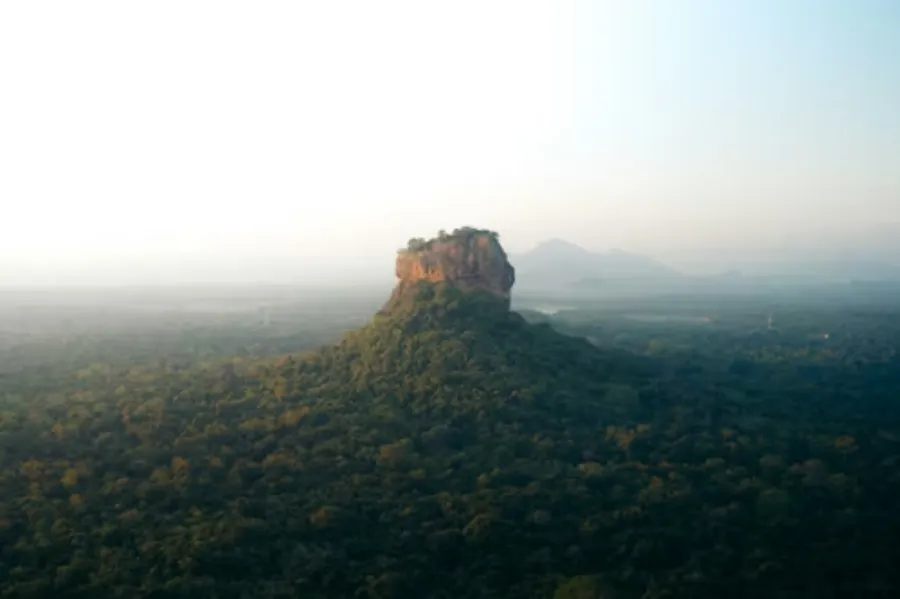
Province: Central Province (Matale District) Best viewpoint: The summit ruins, western face Best season: December to March (dry season in the Cultural Triangle) Crowd level: Moderate — the site closes at 5:30pm, which naturally limits the late afternoon crowd
A King's Viewpoint, 1,500 Years Later
Sigiriya is most famous for its sunrise views and for the fifth-century royal palace built on its summit by King Kashyapa — a man who chose to live on top of a 200-metre volcanic plug of rock, surrounded by elaborate water gardens, out of a combination of paranoia and ambition that history has found irresistible. But the western face of the rock catches the late afternoon light in a way that is completely distinct from the morning, and the views from the summit at golden hour — across flat jungle stretching to the horizon in every direction — are among the most expansive in Sri Lanka.
As the sun descends toward the western treeline, it illuminates the water gardens below the rock — the ancient hydraulic system of pools and fountains that still partially functions after 1,500 years — and turns the surrounding jungle from green to deep gold. The summit ruins — the throne, the cisterns, the remnants of the palace — are extraordinary in any light, but the late afternoon renders them in warm stone tones that photographs cannot fully capture. The sense of standing where a fifth-century king stood, watching the same sun go down over the same jungle, across 15 centuries, is quietly powerful.
What makes it special: The 200-metre volcanic plug provides an unobstructed 360-degree panorama above the flat Cultural Triangle jungle, and the late afternoon light on the ancient summit ruins — 1,500-year-old stone catching golden hour — creates a visual and historical experience available at very few sunset points in the world.
Pro tip: Arrive at the site by 3pm to allow time for the climb and the famous Fresco Gallery before the light changes. The site officially closes at 5:30pm — confirm current timings before visiting and factor in descent time. The climb involves ladders and steep staircases; allow 45 minutes up and 30 minutes down.
Don't miss: Look down, not just out. The ancient water gardens at the base of the rock — pools, fountains, and water channels still visible from the summit — catch the late afternoon light in extraordinary ways. The geometric symmetry of the gardens, visible in full from above, is one of Sigiriya's less-discussed marvels.
4. Ella Rock — Ella, Uva Province
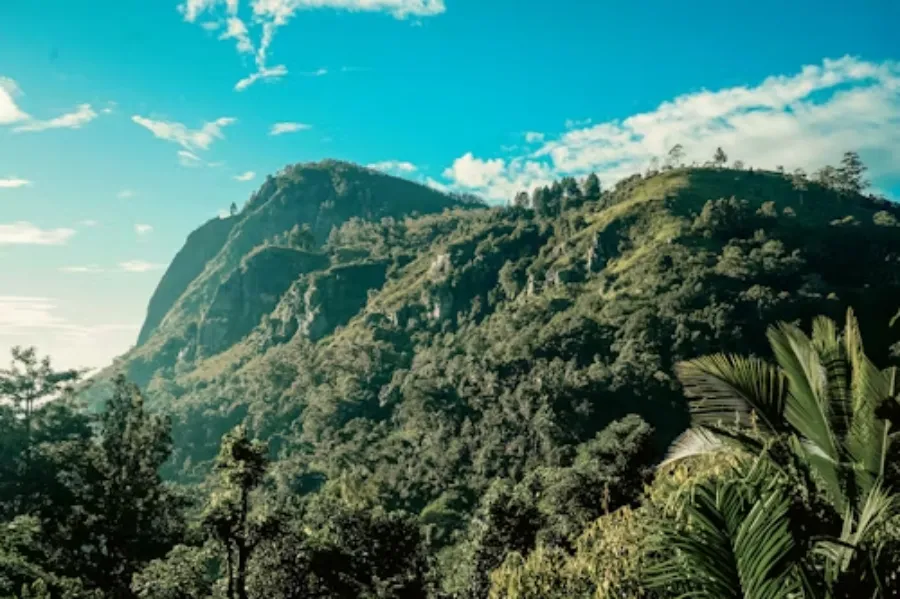
Province: Uva Province Best viewpoint: Ella Rock summit, looking south through Ella Gap Best season: January to April (clearest evenings in the hill country) Crowd level: Low to moderate — the hike filters casual visitors effectively
The Gap That Opens to Everything
Ella is the hill country town that everyone ends up staying in longer than intended. It sits at an elevation of around 1,000 metres, with a gap in the southern hills that frames an extraordinary view across the lowland plains toward the distant coast — a natural picture frame of jungle-covered ridgelines enclosing a view that seems to extend to the edge of the island.
Ella Rock, the forested peak above town, requires a 3 to 4 hour return hike through tea plantations and jungle — a trail that is beautiful in its own right, through landscape that looks impossibly green in the late afternoon. The summit view, when the clouds cooperate, encompasses the full breadth of Ella Gap and the plains beyond, with the sky turning colour above a landscape that drops nearly 1,000 metres in a few horizontal kilometres.
What makes Ella Rock different from most hill country sunset points is the quality of the drop. You are not looking across a plateau or along a ridge — you are standing on the edge of the hill country's southern escarpment, watching the land fall away from your feet toward the coast far below, with the evening light coming in low from the west and turning the tea estates on the hillsides a colour that has no exact name in English.
What makes it special: The view through Ella Gap — the hill country's southern escarpment dropping nearly 1,000 metres to the coastal plains, framed by jungle ridgelines on either side — is one of the most dramatic natural viewpoints in Sri Lanka, and the late afternoon light on the surrounding tea estates amplifies it further.
Pro tip: The hill country is frequently cloudy, particularly in the afternoon. Check the previous evening's conditions before committing to the hike — local guesthouse owners are the most reliable source of current weather intelligence. Start the hike no later than 2pm for a sunset arrival with a comfortable margin.
Don't miss: The tea estate sections of the trail in the final hour before the summit. Tamil tea-pickers moving through the green in the late afternoon light, the geometric rows of tea bushes catching the low sun, and the smell of the hill country air at elevation are as memorable as the summit view itself.
5. Lipton's Seat — Haputale, Uva Province
Province: Uva Province Best viewpoint: The viewpoint bench at 1,970 metres, above Dambatenne Tea Estate Best season: January to March (clearest evenings) Crowd level: Low on weekdays; moderate on weekends and Sri Lankan public holidays
A Tea Magnate's Private Panorama, Now Yours
Thomas Lipton, the Victorian tea magnate whose name ended up on tea bags in every supermarket in the world, used to ride his horse to this hilltop viewpoint above his Dambatenne Tea Estate to survey his holdings. On a clear evening, the view justifies the journey entirely: a 270-degree panorama across ridgeline after ridgeline of tea country, dropping away toward the southern lowlands with glimpses of the coast on the clearest days.
The approach road winds through some of the most beautiful tea country in Sri Lanka — terraced plantations clinging to steep hillsides, Tamil tea-pickers moving through the green in the late afternoon, the mist beginning to form in the valleys below. The seat itself is a modest concrete bench at 1,970 metres, which is one of those gaps between description and reality that travel routinely produces. The view from the bench is anything but modest.
As the sun descends toward the western hill ranges, it lights the tea estates on the facing slopes in extraordinary detail — every row of tea bushes, every drainage channel, every shade tree casting a long shadow across the terraces. The mist that begins to form in the valleys below the viewpoint adds a layer of atmosphere that turns the landscape from beautiful to genuinely dreamlike. On the clearest evenings, the coastal plain is visible 80 kilometres to the south.
What makes it special: The 270-degree panorama from 1,970 metres above some of the most beautiful tea country in the world, combined with the historical resonance of a viewpoint that one of the 19th century's most powerful businessmen specifically chose as his personal lookout, creates a sunset experience of unusual depth.
Pro tip: Go on a weekday to avoid the crowds that arrive on weekends. The estate road is open year-round but mist and rain can obscure views completely — check local conditions in Haputale before making the drive. The tuk-tuk journey from Haputale to the seat takes about 30 minutes on a winding road; negotiate for the driver to wait.
Don't miss: Walk the estate road slowly on the way down as the last light leaves the tea terraces. The hour after sunset, with the mist rising from the valleys and the tea estates going from gold to silver to grey, is its own visual experience — quieter than the sunset itself but in some ways more atmospheric.
6. Horton Plains & World's End — Nuwara Eliya, Central Province
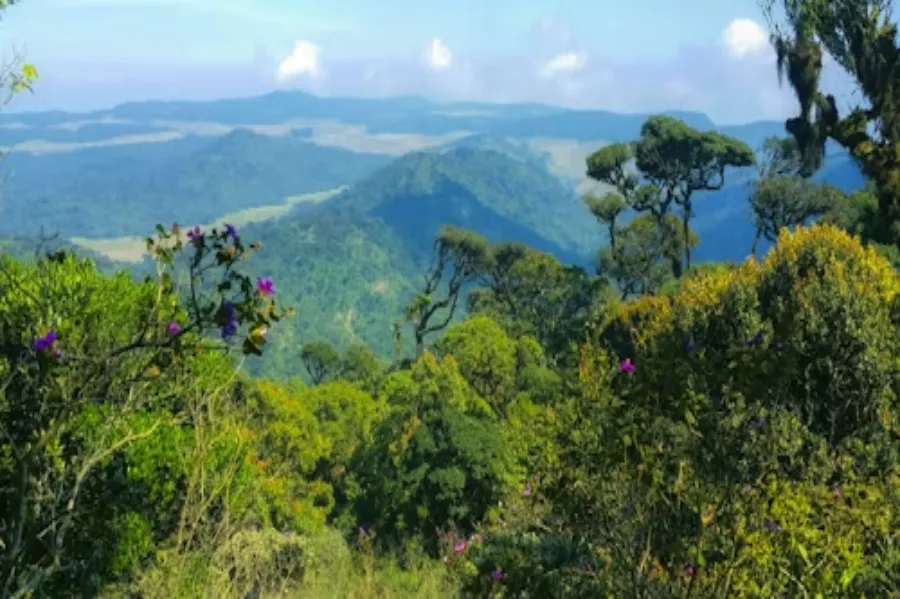
Province: Central Province Best viewpoint: World's End escarpment (870-metre drop to the lowland jungle below) Best season: January to April for the clearest conditions Crowd level: Low in the afternoon — most visitors come at dawn; the park is nearly empty by 4pm
The Edge of the Plateau, the Edge of Everything
World's End is a sheer escarpment at the southern edge of Horton Plains National Park — a drop of nearly 870 metres from the plateau edge to the lowland jungle below. In the early morning it is often cloud-free, which is why most visitors arrive at dawn. But the late afternoon, when the mist rolls in from the valleys and begins to fill the escarpment below while the sun descends toward the western hills, produces a different kind of beauty entirely — something atmospheric and moody rather than panoramic.
The park itself, at around 2,100 metres, is Sri Lanka's highest plateau: a landscape of montane grassland, cloud forest, and bog that feels utterly unlike the rest of the country. Sambar deer graze the open grassland without apparent concern for human presence. As the afternoon light changes, the grassland goes from pale green to deep gold, the cloud forest at the plateau edges catches the warm light on its moss-covered canopy, and the escarpment — if the mist cooperates — reveals the lowland jungle 870 metres below as a dark, impossibly distant carpet.
What makes it special: The combination of standing on the edge of an 870-metre escarpment above lowland jungle as mist fills the void below and the sun sets behind the western hill ranges creates a visual experience of genuine drama — geology and atmosphere working together in a way that few Sri Lankan viewpoints can match.
Pro tip: The park closes at 6pm — plan your visit to reach World's End by 4:30pm for the best late light. Entry fees must be paid at the gate; carry cash in rupees. The 9-km loop trail to World's End and back takes approximately 3 hours at a comfortable pace — begin no later than 1:30pm for a late afternoon arrival at the escarpment.
Don't miss: The grassland in the final 30 minutes of light before reaching World's End. The plateau's open montane grassland — an almost Scottish moorland landscape at 2,100 metres in the tropics — catches the late afternoon light in long, horizontal sweeps that are as beautiful as the escarpment itself and almost never photographed.
7. Mirissa Beach — Southern Province
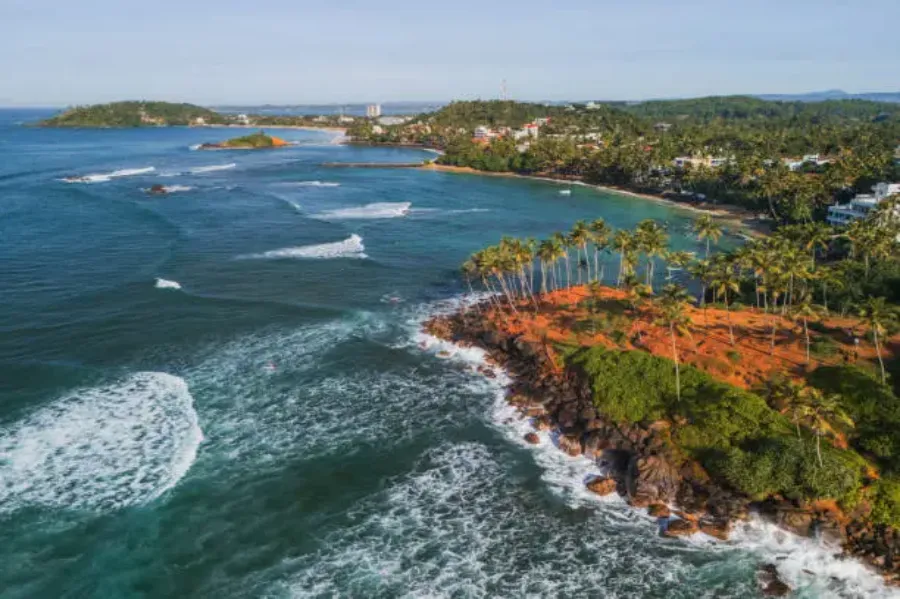
Province: Southern Province Best viewpoint: Parrot Rock (small island at the eastern end of the bay, accessible via sandbar at low tide) Best season: November to April Crowd level: Moderate — the main beach is busy but Parrot Rock provides natural separation
The Rock That Owns the Bay
Mirissa operates at a slightly slower pace than its neighbours on the south coast. The beach is a wide, gently curving bay with a small rocky island — Parrot Rock — at its eastern end, accessible via a sandbar at low tide, that provides an elevated vantage point above the beach for watching the sun go down. Locals and in-the-know travelers have been claiming their spot on Parrot Rock before sunset for years.
From the top of the rock, the view encompasses the full sweep of Mirissa Bay — the fishing harbour to the east, the palm-backed beach curving west, and the open Indian Ocean directly south and west. As the sun descends toward the ocean horizon, it lights the bay in warm, low-angle light that turns the palm trees gold and reflects off the water in a long, broken path from the horizon to the shore directly below.
The whale watching industry based in Mirissa — blue whales and sperm whales are regularly sighted offshore between November and April — means the harbour has an active, genuine working life that complements the beach-town atmosphere. An evening here — sunset from Parrot Rock, followed by fresh grilled fish at one of the beach shacks — is one of Sri Lanka's most satisfying simple pleasures.
What makes it special: Parrot Rock provides an elevated natural platform at the edge of the bay — above the beach crowd, above the surf, looking directly west across the Indian Ocean — that turns a good beach sunset into a genuinely theatrical one. The combination of the bay's curve, the palm silhouettes, and the open ocean horizon is one of the south coast's finest natural compositions.
Pro tip: Check the tide before going. Parrot Rock is accessible via the sandbar only at low tide — at high tide, reaching it requires swimming or a very wet scramble. Arrive at least 45 minutes before sunset to cross safely and find your position on the rock.
Don't miss: Look north across the bay as the sun sets. The hillside behind Mirissa catches the last light in deep amber, the fishing boats in the harbour below it go from white to gold to black silhouette, and the whole composition — seen from Parrot Rock with the bay spread out below — is frequently more beautiful than the sun-into-ocean view itself.
8. Pigeon Island Beach — Trincomalee, Eastern Province
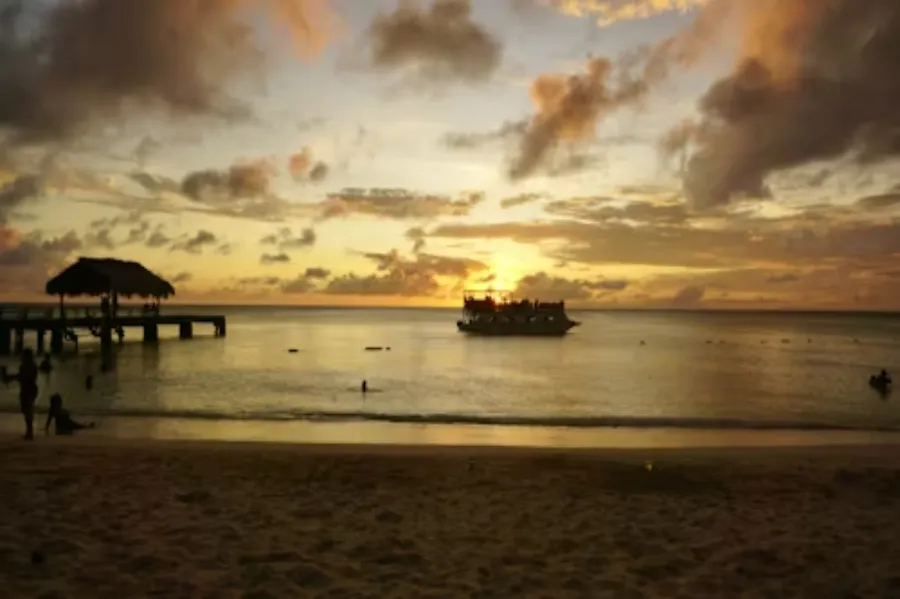
Province: Eastern Province Best viewpoint: The western beach of Pigeon Island, facing Nilaveli across the channel Best season: May to September (east coast dry season) Crowd level: Low in the afternoon — most day-trippers depart by early afternoon
An Island Sunset With No Audience
Most visitors to Pigeon Island National Park arrive in the morning for the snorkeling — the coral here is some of the healthiest in Sri Lanka, with blacktip reef sharks, hawksbill turtles, and dense reef fish visible in shallow water. By early afternoon, the majority have returned to shore. If you arrange to stay until the late afternoon, or negotiate a later return with your boat operator, you will find the island's western beach in a state of near-total solitude.
The beach on the island's western side faces back toward Nilaveli across a narrow channel of extraordinary blue water, with the Sri Lankan coast visible in the middle distance and the Bay of Bengal extending to the horizon beyond. As the sun descends, it comes in low over the water directly from the west — lighting the channel between the island and the mainland in the warm, flat light that the east coast's calm water handles better than almost any other surface in Sri Lanka.
The island sees very few people in the late afternoon. The reef sharks that cruise the shallows are unhurried. The seabirds — pigeons, terns, and occasionally frigatebirds — settle into the coastal scrub as the light changes. The sense of being on a small island at sunset, with open water on all sides and no infrastructure in sight, is one of the more uncommon experiences available in Sri Lanka.
What makes it special: Complete isolation on a small island at the edge of the Bay of Bengal, with the extraordinary turquoise water of the Trincomalee coast lit in low afternoon light and no other tourists in sight — a sunset experience of genuine remoteness that is logistically simple to reach.
Pro tip: Negotiate directly with boat operators at the Nilaveli beach access point for an afternoon crossing and a late return. Agree on a specific return time — an hour after sunset is reasonable — and confirm the price before departing. Bring water, snacks, and a torch for the return crossing after dark.
Don't miss: Snorkel the western reef in the 45 minutes before the light fades. The reef at Pigeon Island in late afternoon light — warm, low-angle sun penetrating the water at an angle that illuminates the coral from the side — is significantly more beautiful than the same reef at midday, and the sharks tend to be more active as the temperature drops.
9. Dondra Head Lighthouse — Matara, Southern Province
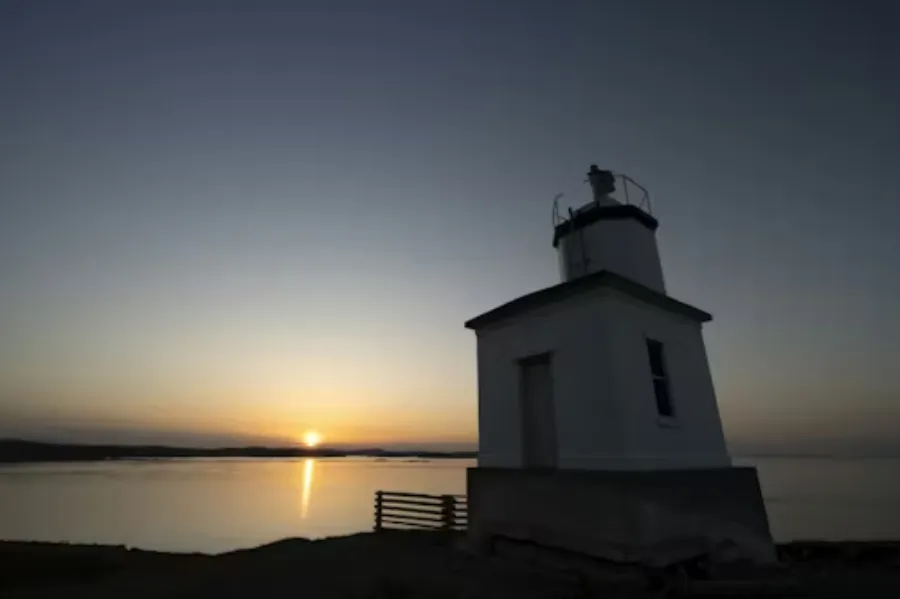
Province: Southern Province Best viewpoint: The lighthouse base and surrounding headland Best season: November to April Crowd level: Very low — one of the least-visited great sunset locations on the south coast
The Southernmost Light in Sri Lanka
Dondra Head is the southernmost point of Sri Lanka — the furthest south you can stand on the island before the Indian Ocean takes over entirely, stretching uninterrupted to Antarctica. The lighthouse here, 49 metres tall and the tallest in South Asia, has stood since 1890. The view from its base at sunset, with the ocean visible in three directions and the light beginning its nightly rotation, is one of the most elemental in the country.
There are no beach bars here, no tourist infrastructure to speak of. A small temple sits nearby. Fishing boats move across the water. The wind off the open ocean is usually present and sometimes strong. As the sun descends toward the western horizon — with the ocean on three sides amplifying the light in every direction — the lighthouse above begins to catch the last gold in its white tower, and the surrounding headland goes from green to deep amber. This is a sunset point for those who want the experience stripped down to its essentials: just the edge of the land, the sea, and the changing sky.
The sense of geographic finality at Dondra Head — the knowledge that you are standing at the absolute southern tip of the island, with nothing between you and the South Pole except open ocean — adds something to the sunset that no conventional viewpoint can quite produce. The light is the same light. The feeling is different.
What makes it special: The combination of standing at the southernmost point of Sri Lanka — ocean on three directions, the island's tallest lighthouse overhead — and watching the sun set over open Indian Ocean creates a sense of geographic and atmospheric drama that few sunset points on the island can match.
Pro tip: Arrive 30 minutes early and walk the headland path around the lighthouse to find the best position for the ocean view to the west. The lighthouse keeper's compound sometimes restricts access — be respectful and ask permission if the gate is closed. Tuk-tuks from Matara will wait if asked; agree on a price in advance.
Don't miss: Stay for the lighthouse rotation. As full dark arrives, the lighthouse beam begins its sweep across the water — one revolution every 10 seconds — and watching it for a few minutes after the sunset ends is one of those small, specific pleasures that travel occasionally produces and that no photograph adequately captures.
10. Nine Arch Bridge — Demodara, Uva Province
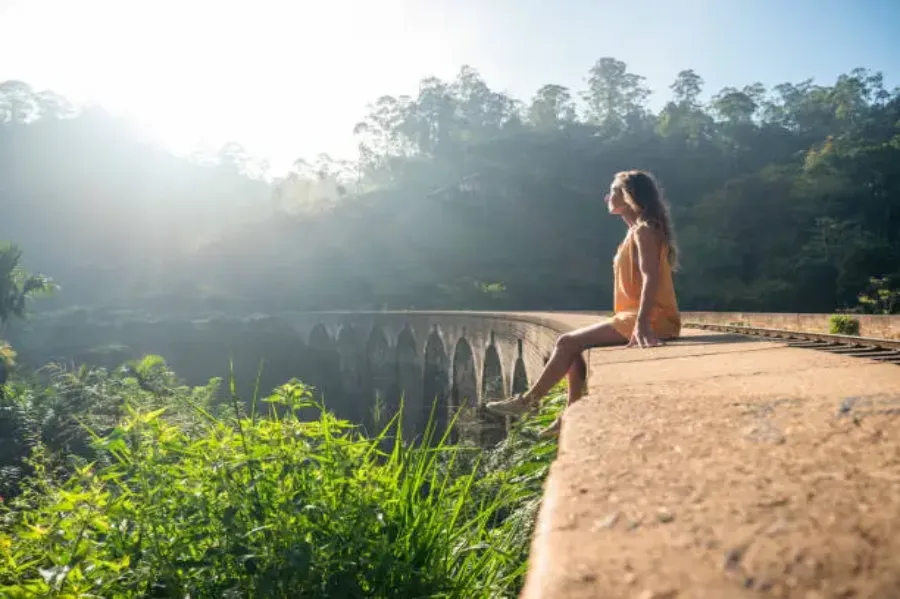
Province: Uva Province Best viewpoint: Valley floor below the bridge, looking up at the arches Best season: January to March (clearest light in the hill country) Crowd level: Low — most visitors come in the morning; the afternoon valley is often very quiet
Stone, Steam, and Golden Light
The Nine Arch Bridge near Ella is one of those travel photographs that circulates on social media until it seems impossible that the real thing could match the image. It does. Built entirely of stone and brick without a gram of steel — the material was unavailable during World War I when construction began — the 91-metre bridge spans a deep valley of tea and jungle, and the late afternoon light on its nine stone arches is as fine a piece of natural theatre as the hill country offers.
The trick, for sunset purposes, is positioning. Walk down the hillside from the Demodara or Ella side to the valley floor and look back up at the bridge as the late afternoon light falls across the stone arches and surrounding green. The light turns the old brick a deep amber — a colour that intensifies as the sun descends and the angle becomes more acute. If a train passes during this period — which you can time in advance by checking the schedule — the combination of slow-moving locomotive, stone arches, and golden hill country light is as good as travel photography gets.
Even without the train, the valley below the bridge at golden hour is a beautiful place — the tea and jungle on the surrounding hillsides catching warm light, the sound of water from the stream below, and the extraordinary piece of engineering overhead doing nothing at all except being old and handsome in the late sun.
What makes it special: The combination of 100-year-old stone engineering and hill country golden hour creates a visual experience that is simultaneously architectural and natural — the bridge amplifies the warm afternoon light in a way that makes this one of the most photogenic late-afternoon locations in Sri Lanka.
Pro tip: Check the train schedule before going — the Badulla-Colombo Intercity service crosses the bridge mid-morning and again in the afternoon. The afternoon crossing typically occurs between 3:30pm and 4:30pm depending on the day; verify current times locally or through the Sri Lanka Railways website. Position yourself in the valley 20 minutes before the expected crossing.
Don't miss: Look at the bridge from above as well as below. The path along the railway line from Ella toward Demodara offers a completely different perspective — the arches framing the valley below, the tea estates on the far hillside, and the drop into the gorge — that most visitors who go straight to the valley floor never see.
11. Trincomalee Harbour & Swami Rock — Eastern Province
Province: Eastern Province Best viewpoint: Koneswaram Temple on Swami Rock, Fort Frederick headland Best season: May to September (east coast dry season) Crowd level: Moderate at the temple; low on the fort headland
A Harbour That Has Seen Everything
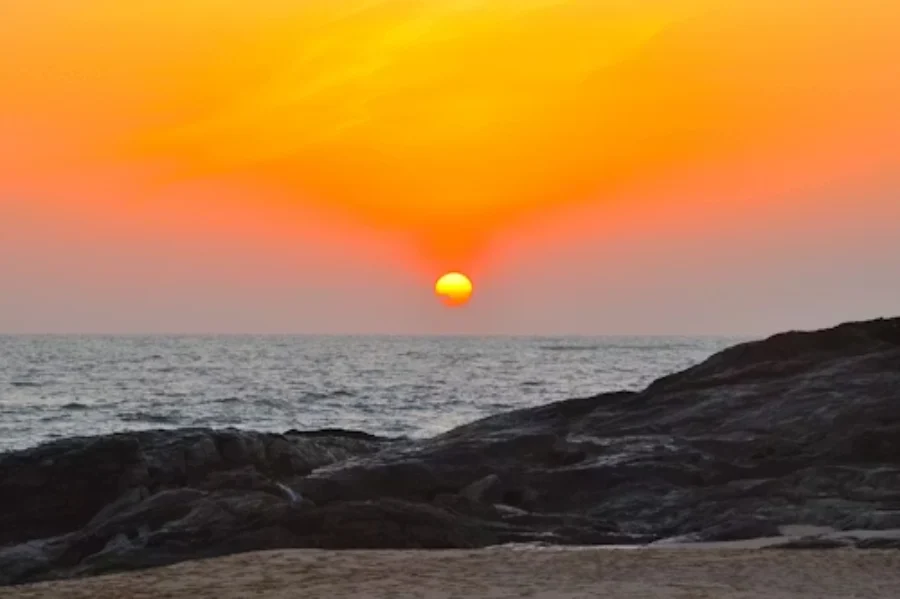
Trincomalee's natural harbour is one of the deepest in the world — an enormous body of sheltered water that has attracted Portuguese colonists, the British Royal Navy, and Japanese bombers (in 1942) and is today drawing a growing number of travelers discovering the east coast's considerable charms. The view across the harbour at sunset, from the Fort Frederick headland where Swami Rock rises above the sea, is vast and unhurried.
Koneswaram Temple, the ancient Hindu shrine built on Swami Rock directly above the ocean, provides both spectacular context and a genuinely sacred atmosphere for watching the evening arrive. The rock drops sheer into the water 130 metres below. The harbour stretches out to the south and west in a panorama of sheltered blue water framed by jungle headlands. As the sun descends, it lights the harbour surface from the west in warm, flat light that travels across the water and illuminates the temple's gopuram — the ornate tower above the main shrine — in extraordinary colours.
Pilgrims arrive throughout the day; by late afternoon the crowd thins and the quality of light coming off the harbour water becomes extraordinary. The combination of the sacred atmosphere, the geological drama of Swami Rock, and the sheer scale of Trincomalee's harbour makes this one of Sri Lanka's most layered sunset experiences.
What makes it special: The combination of an ancient Hindu temple perched on a 130-metre sea cliff above one of the world's great natural harbours — with the evening light travelling across the water from the west and illuminating the temple's tower in warm colour — creates a sunset of unusual depth and resonance.
Pro tip: Visit Koneswaram Temple first, then walk north along the Fort Frederick headland to find a quieter position with an unobstructed view west over the harbour mouth. The temple compound is an active place of worship — dress modestly, remove shoes at the entrance, and be respectful of the pilgrims who are there for reasons other than the sunset.
Don't miss: Look north from Swami Rock toward the open Bay of Bengal as the light fades. The ocean to the north goes from turquoise to cobalt to deep blue-black as the evening advances, and the contrast with the warm harbour water to the south — still catching the last of the western light — creates a colour division across the panorama that is one of the more unusual visual effects available from any Sri Lankan viewpoint.
12. Unawatuna Bay — Galle District, Southern Province
Province: Southern Province Best viewpoint: The headland path between Unawatuna's main beach and Jungle Beach Best season: November to April Crowd level: Low on the headland path; moderate on the main beach
The Headland That Holds the Light
Unawatuna's main bay — the horseshoe-shaped beach that faces northwest toward Galle — catches the late afternoon sun in a way that makes it one of the finest beach sunsets on the south coast. But the finest position is not on the beach itself. The forested headland path that connects the main bay to Jungle Beach on the other side of the promontory rises above the waterline to a series of natural rock platforms that offer an elevated view back across Unawatuna Bay as the sun descends.
From these platforms — reached by a 5-minute walk from the main beach — the view encompasses the full curve of the bay, the palm trees behind it, the fishing boats anchored in the shallows, and the open Indian Ocean to the west. As the sun drops, it backlights the palm silhouettes on the bay's eastern shore and sends a warm reflection across the water directly toward the headland. The bay's horseshoe shape means the light works the water in every direction simultaneously — a completely different visual effect from an open ocean sunset.
The headland platforms are known to a handful of regular visitors and almost no casual tourists, which means you frequently share one of the south coast's finest sunset positions with only a few other people even in peak season.
What makes it special: The elevated headland position above Unawatuna's horseshoe bay — with the palm silhouettes, the anchored fishing boats, and the full curve of the bay visible simultaneously — creates a composed, layered sunset view that the beach itself cannot offer, and does so with almost no competition for the best position.
Pro tip: The headland path is narrow and rocky in places — wear shoes rather than sandals and bring a torch for the return. The rock platforms are exposed to the wind; bring a light layer for the evening. Ask at your guesthouse for the correct path — there are several routes and some dead-end above the cliff edge.
Don't miss: Walk back across the main beach after the sunset as the last light leaves the bay. The beach in the 20 minutes after sunset — the sky still lit in the west, the bay water going from warm gold to cool blue, the cafes on the shore beginning to light their lamps — is as pleasant a place to be as anywhere on the south coast.
13. Knuckles Mountain Range — Matale, Central Province
Province: Central Province Best viewpoint: Corbett's Gap, Mini World's End, or any of the range's western-facing ridges Best season: January to April (clearest conditions in the Knuckles) Crowd level: Very low — one of the least-visited great sunset locations in Sri Lanka
The Sunset the Crowds Haven't Found
The Knuckles Mountain Range — named by British surveyors for the ridge profile that resembles a clenched fist — is a UNESCO World Heritage Site less than two hours from Kandy that receives a fraction of the visitors of the more famous hill country destinations. This is partly geography (the approach roads are winding and not well-publicised) and partly the range's relative difficulty — reaching the best viewpoints requires hiking through cloud forest and montane grassland rather than buying a ticket at a gate.
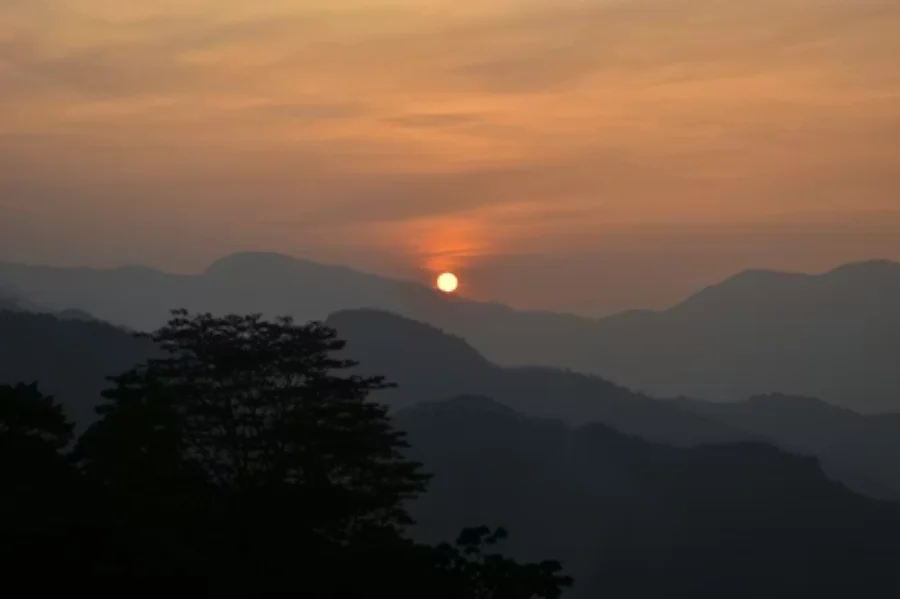
The reward for that effort is a sunset of extraordinary solitude and scale. The Knuckles' western-facing ridges drop dramatically into the Dumbara Valley below, and on a clear evening between January and April, the view west from points like Corbett's Gap encompasses a landscape of breathtaking depth — the valley floor far below, the foothills beyond it, and the distant coastal plains catching the last sun at the western horizon. The range's cloud forest, draped in moss and orchid and tree fern, catches the warm evening light in a green so vivid it verges on improbable.
Unlike the more developed hill country destinations, the Knuckles at sunset feels genuinely wild. There are no viewing platforms, no tuk-tuk parking areas, no cafes at the top. There is the ridge, the valley below, the changing sky, and the forest — which is exactly what the greatest sunset points in Sri Lanka have in common with the greatest sunset points everywhere in the world.
What makes it special: The combination of a UNESCO-protected mountain landscape, dramatic ridge-top views across the Dumbara Valley, genuine wilderness atmosphere, and the complete absence of tourist infrastructure creates a sunset experience of the kind that is becoming increasingly rare in Sri Lanka — and that rewards those who make the effort with a level of solitude and scale that no car-accessible viewpoint can match.
Pro tip: The Knuckles requires a licensed guide for most trails — arrange through operators in Kandy or Matale at least a day in advance. Corbett's Gap is the most accessible of the western viewpoints; Mini World's End requires a longer hike but offers superior views. Start any Knuckles hike early — cloud build-up in the afternoons is common and can obscure views entirely by 4pm.
Don't miss: The forest itself in the last hour of light. The Knuckles' cloud forest — one of the most biodiverse ecosystems in Sri Lanka, home to species found nowhere else on earth — catches the warm late afternoon light in extraordinary ways. The moss on the trees glows. The tree ferns cast long shadows across the path. Hornbills move through the canopy overhead. The hike down in the last of the light, through forest going from vivid green to deep shadow, is its own unforgettable experience.
Final Thoughts: The Sun Sets Every Day. Most People Miss It.
The remarkable thing about the sunsets on this list is not that they are exceptional — it is that they are reliable. The Galle Fort ramparts do not save their finest light for special occasions. Parrot Rock at Mirissa catches the same Indian Ocean sunset every evening between November and April, whether you are standing on it or not. Adam's Peak casts its geometric shadow across the hill country valleys regardless of who is watching from the summit.
The only question is whether you show up.
Sri Lanka's light is extraordinary and it runs on a schedule — shaped by the island's position near the equator, its two monsoons, and the extraordinary topographic variety packed into an island the size of Ireland. Pick your viewpoint, check the season, and get there early. The rest takes care of itself.
One Sri Lankan reality to plan around: the island's sunsets move fast. More so than at higher latitudes, the equatorial sun descends quickly toward the horizon and the transition from golden hour to dark can happen in 25 minutes rather than the 45 you might expect from experience in Europe or North America. Arriving early is not just a good idea here. It is the difference between the full sequence and the final five minutes.
Sri Lanka
Latest Blogs
30 Hidden Beaches in Sri Lanka
13 Best Sunset Points in Sri Lanka (2026 Guide)
25 Photos That Will Make You Want to Visit Sri Lanka Right Now
7 Underrated Weekend Getaways Near Colombo
10 Budget-Friendly Cities in Sri Lanka
30 Hidden Beaches in the USA
13 Best Sunset Points in the USA (2026 Guide)

Hostel vs Hotel vs Airbnb in USA: What Is Really Cheaper in 2026?
25 Photos That Will Make You Want to Visit the USA Right Now
7 Underrated Weekend Getaways Near Chicago
10 Budget-Friendly Cities in the USA You Can Visit This Year
7 Days in Sri Lanka: The Ultimate Itinerary (2026 Guide)
7 Days in Switzerland: The Ultimate Itinerary (2026 Guide)
7 Days in UAE: The Ultimate Itinerary (2026 Guide)
7 Days in Germany: The Ultimate Itinerary (2026 Guide)
7 Days in Hong Kong: The Ultimate Itinerary (2026 Guide)
Sri Lanka for First-Time Visitors: Complete Travel Guide 2026
Why Italy Is the Ultimate European Vacation for Americans
Best Beaches in India
Best National Parks in Sri Lanka for Wildlife & Safaris

Best Places to Visit in Sri Lanka

Explore India’s Tropical Escapes: Goa, Kerala & Andaman
Visit India’s Iconic Landmarks: Taj Mahal & More
7 Best Summer Travel Destinations in India
Small Italian Towns That Make You Fall in Love With Italy
Experiencing Maori Culture as a Respectful Traveler
Traveling Spain by Train vs Renting a Car
Eating in Italy: Lessons About Food, Time & Culture
Small Towns in New Zealand: A Unique Travel Experience
Exploring Southern Spain’s White Villages: Travel Guide
Traveling Italy Slowly: Fewer Cities, Better Experiences
Driving New Zealand’s Scenic Roads Without Rushing the Trip
Living on Spanish Time: How Slow Days Change Travel
Italy Beyond Rome & Venice: Cities That Truly Surprised Me
New Zealand Without Adrenaline: A Calm Way to Explore
Spain Beyond Barcelona & Madrid: Cities That Feel Authentic
Winter Travel in Finland Without Extreme Adventure
Photographing Iceland Without a Drone or Expensive Gear
A Slow Travel Journey Through Norway’s Small Coastal Villages
Experiencing Sauna Culture in Finland as a Traveler
Driving Iceland’s Ring Road: What No One Tells You Before You Go
What It’s Really Like Traveling Above the Arctic Circle in Norway
Why Finland Feels Like the Most Peaceful Country to Travel In
Iceland Is Not Just About Waterfalls: Experiences That Surprised Me
Norway Beyond the Fjords: Unexpected Experiences Most Travelers Miss
Best Nightlife Experiences in the USA (Clubs, Bars & Rooftops)
Best Beach Destinations in the USA for Relaxation & Water Activities

Top USA Cities to Celebrate New Year’s Eve
Best Festivals & Events in the USA Worth Traveling For
Best Weekend Getaways in the USA
Hidden Gems in the USA Most Tourists Miss
Best Cities to Visit in the USA for Tourists
Top National Parks in the USA You Should Visit Once in Your Life
Best Budget Travel Destinations in the USA
Best Time to Visit the USA: Month-by-Month Travel Guide
Top USA Road Trip Routes You Must Experience
Best Places to Visit in the USA for First-Time Travelers

Roast Duck A Juicy and Flavorful American Classic

Creamy Chicken A Rich and Comforting American Classic

Bacon Meatballs A Flavor-Packed American Comfort Favorite

Honey Mustard Chicken A Sweet and Savory American Favorite

Pork Tenderloin A Lean and Flavorful American Classic

Tacho Macau’s Hearty Portuguese-Inspired Comfort Dish
Malaysian Satay A Smoky Street Food Classic Loved Worldwide
Dutch Cheese Gouda and Edam, The Pride of the Netherlands

African Chicken Macau’s Bold Fusion Dish with Portuguese Roots
Laksa Malaysia’s Iconic Noodle Soup Bursting with Flavor
Poffertjes The Fluffy Dutch Mini Pancakes Loved by All
Macanese Pork Chop Bun Macau’s Iconic Street Food Sandwich
Roti Canai Malaysia’s Beloved Flaky Flatbread
Haring The Iconic Dutch Raw Herring Tradition
Minchi Macau’s Comforting Minced Meat Classic with Portuguese Influence

Char Kway Teow: Malaysia’s Smoky Stir-Fried Noodle Street Food Classic

Bitterballen: The Ultimate Dutch Comfort Snack

Portuguese Egg Tart Macau’s Iconic Custard Pastry with a Golden Legacy
Nasi Lemak Malaysia’s Beloved National Dish of Comfort and Flavor
Stroopwafels The Iconic Dutch Caramel Waffle Treat
Breadfruit and Fish A Classic Seychellois Coastal Comfort Dish

Brunost Norway’s Sweet and Savory Brown Cheese Tradition
New Zealand Meat Pies: The Ultimate Kiwi Comfort Food
Ladob Seychelles’ Sweet and Comforting Coconut Dessert

Kjottkaker Norway’s Classic Homemade Meatball Tradition
Fish and Chips New Zealand’s Iconic Coastal Comfort Food
Shark Chutney A Traditional Seychellois Seafood Delight
Lutefisk A Classic Norwegian Holiday Dish
Lamb The Quintessential New Zealand Culinary Delight
Octopus Curry A Flavorful Seychellois Seafood Classic
Rakfisk Norway’s Bold and Traditional Fermented Fish Delicacy
Pavlova New Zealand’s Light and Elegant Dessert Icon
Grilled Fish A Taste of the Seychelles Ocean
Farikal Norway’s Timeless Lamb and Cabbage Stew
Hangi The Ancient Earth-Cooked Feast of New Zealand Hangi
Hoppers (Appa) Sri Lanka’s Crispy Coconut Pancake Delight
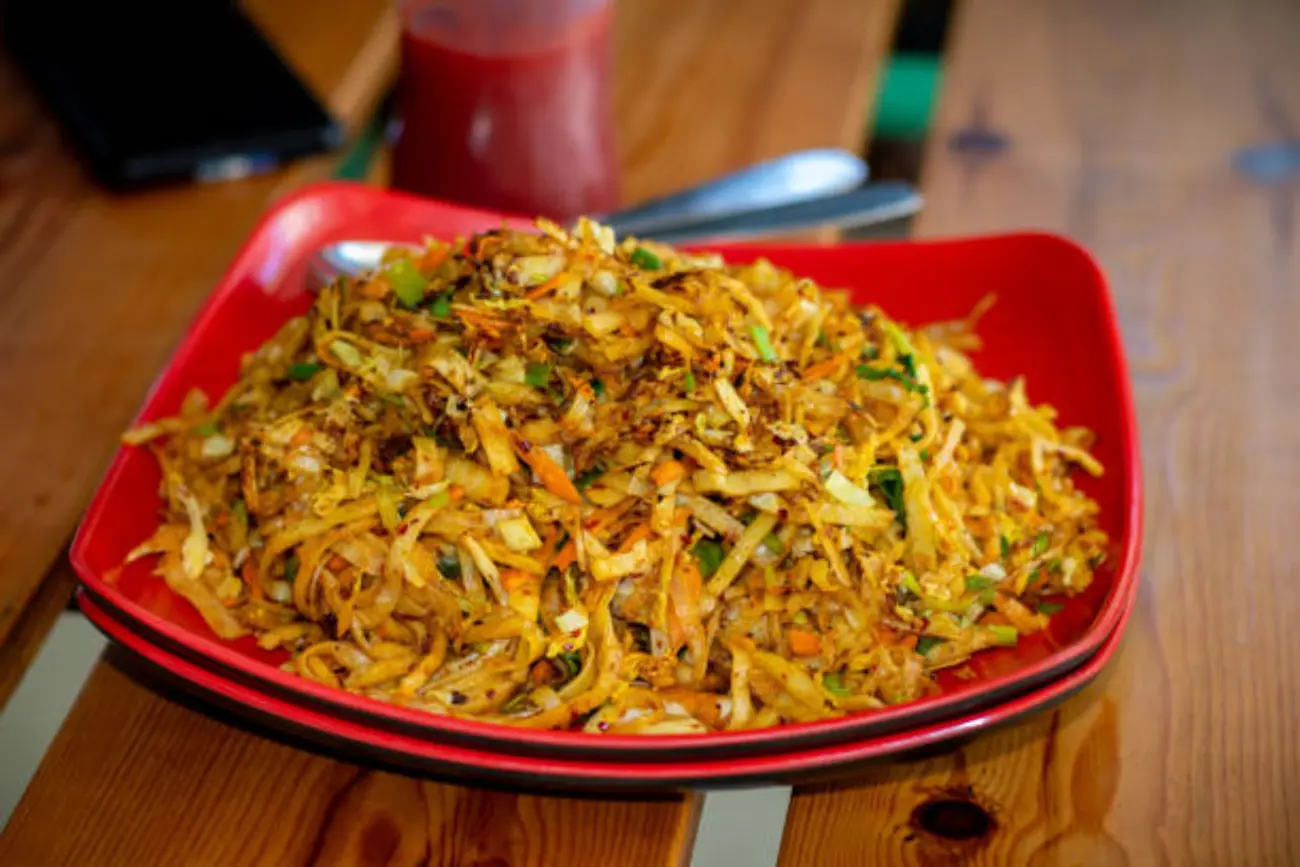
Kottu Roti
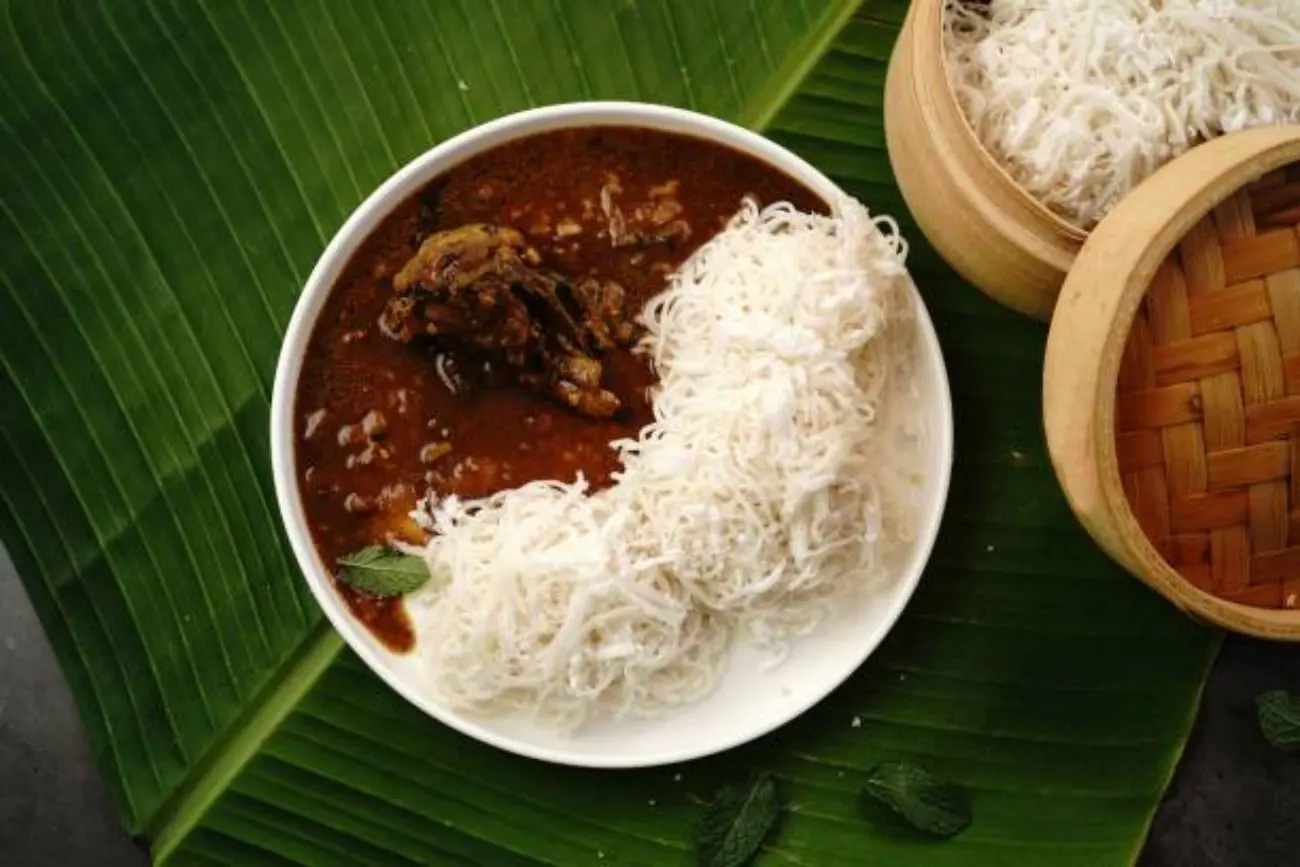
String Hoppers (Idiyappam)

Pol Sambol
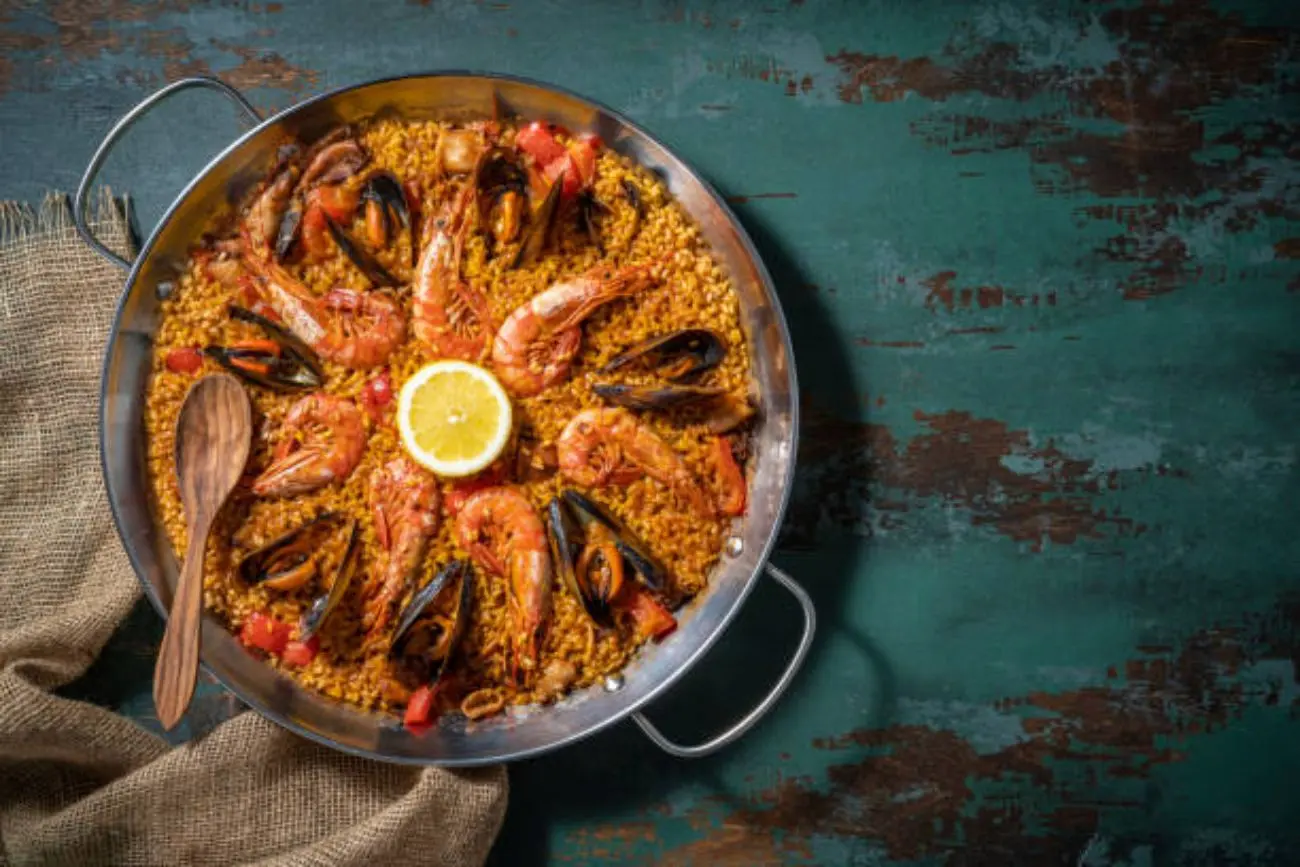
Paella
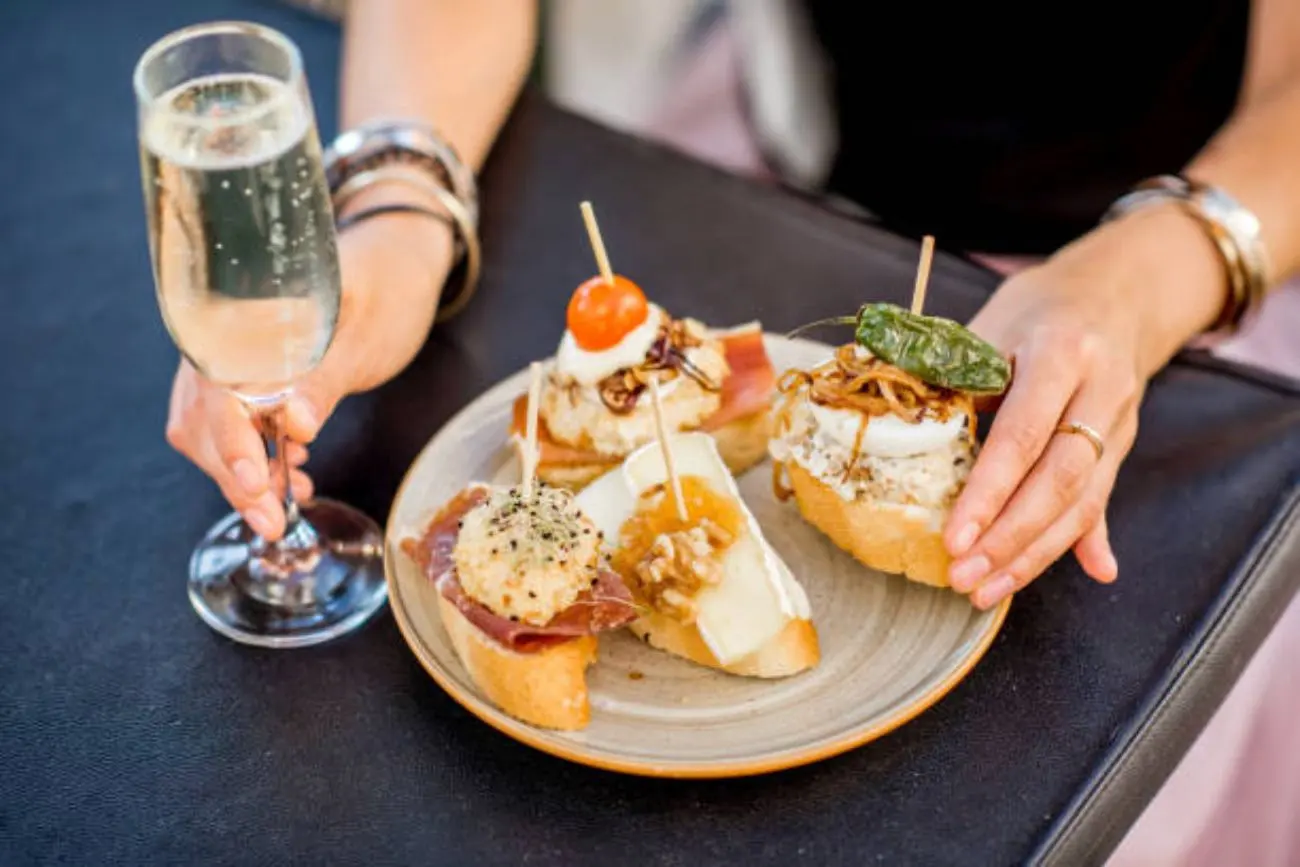
Tapas
Tortilla Española

Churros
Gazpacho
Rice and Curry

Alplermagronen
Swiss Chocolate

Rösti

Raclette
Cheese Fondue
Pide
Lahmacun
Baklava
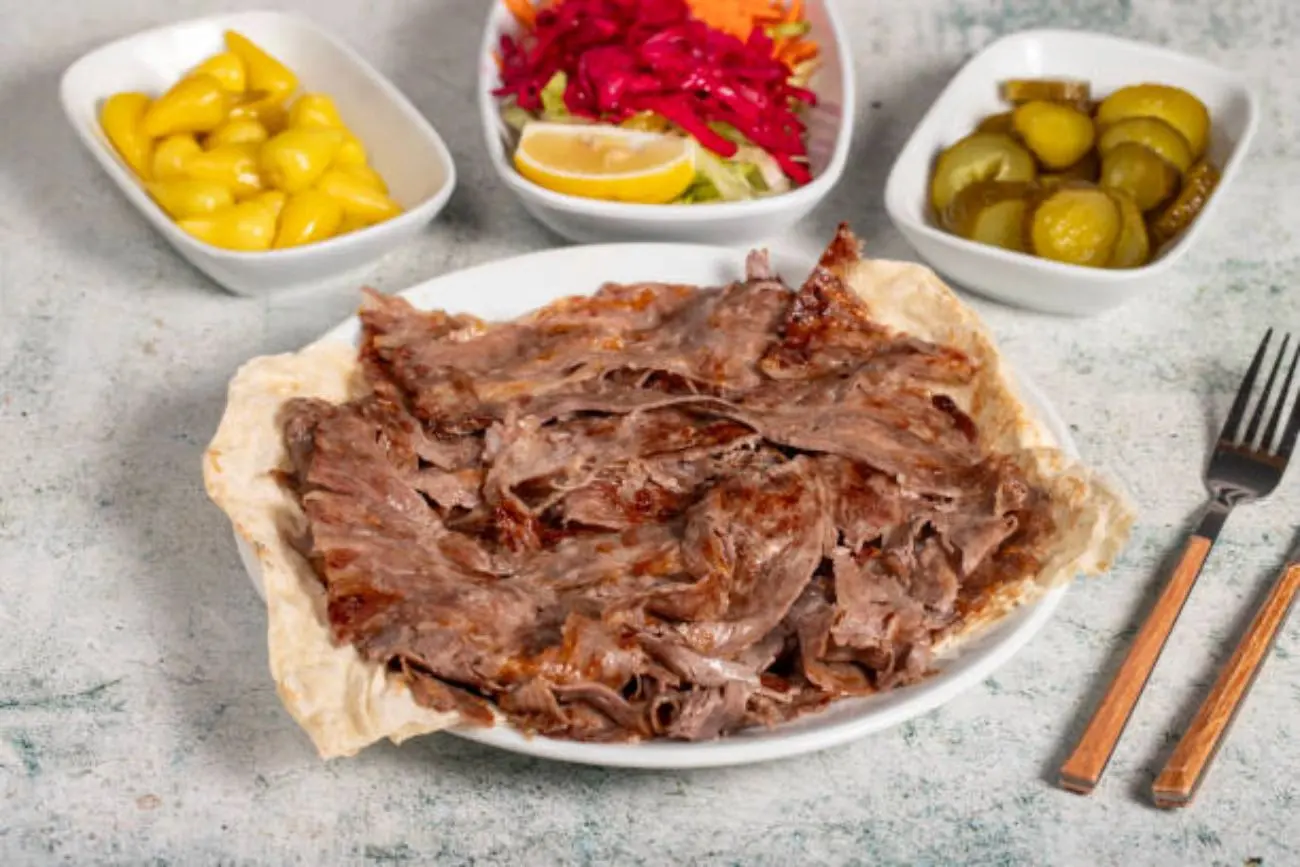
Döner
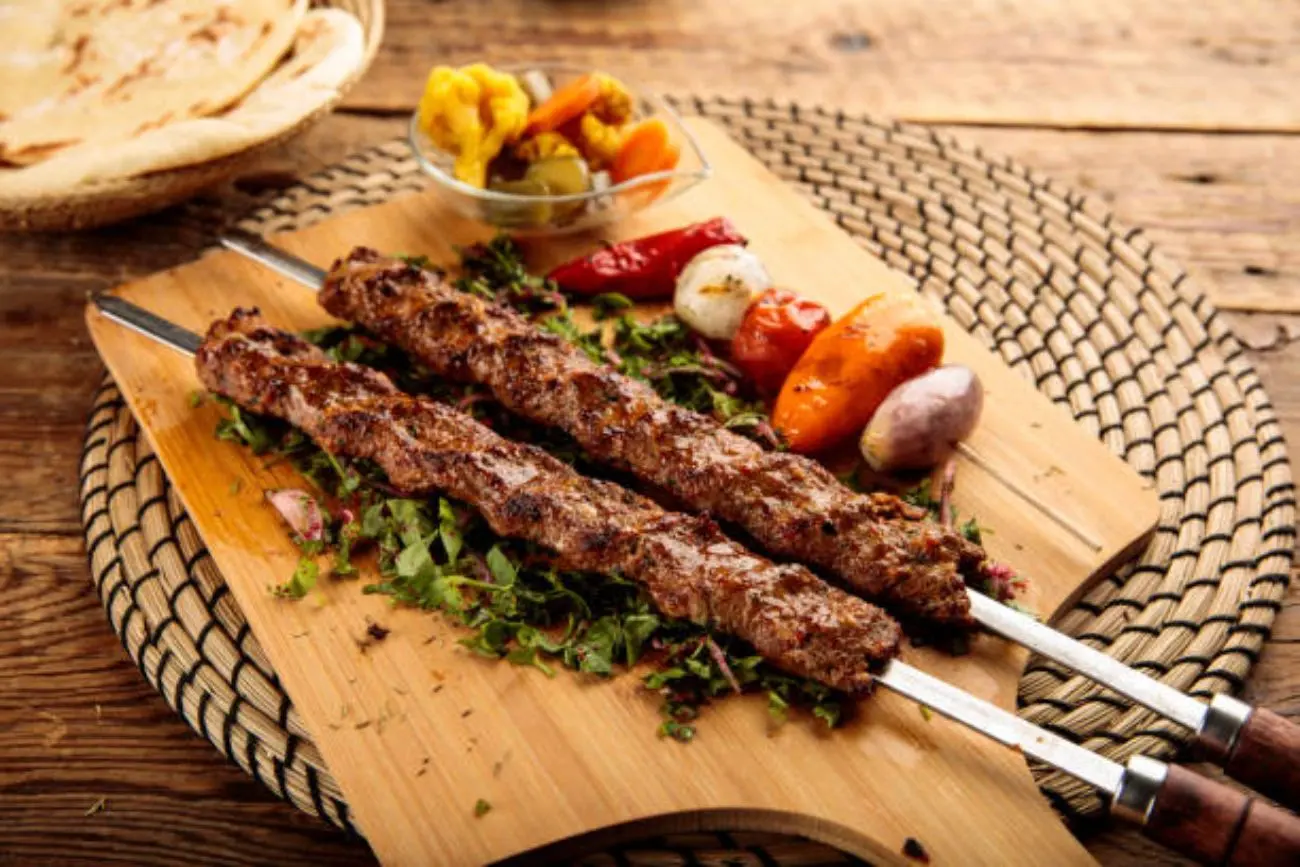
Kebab
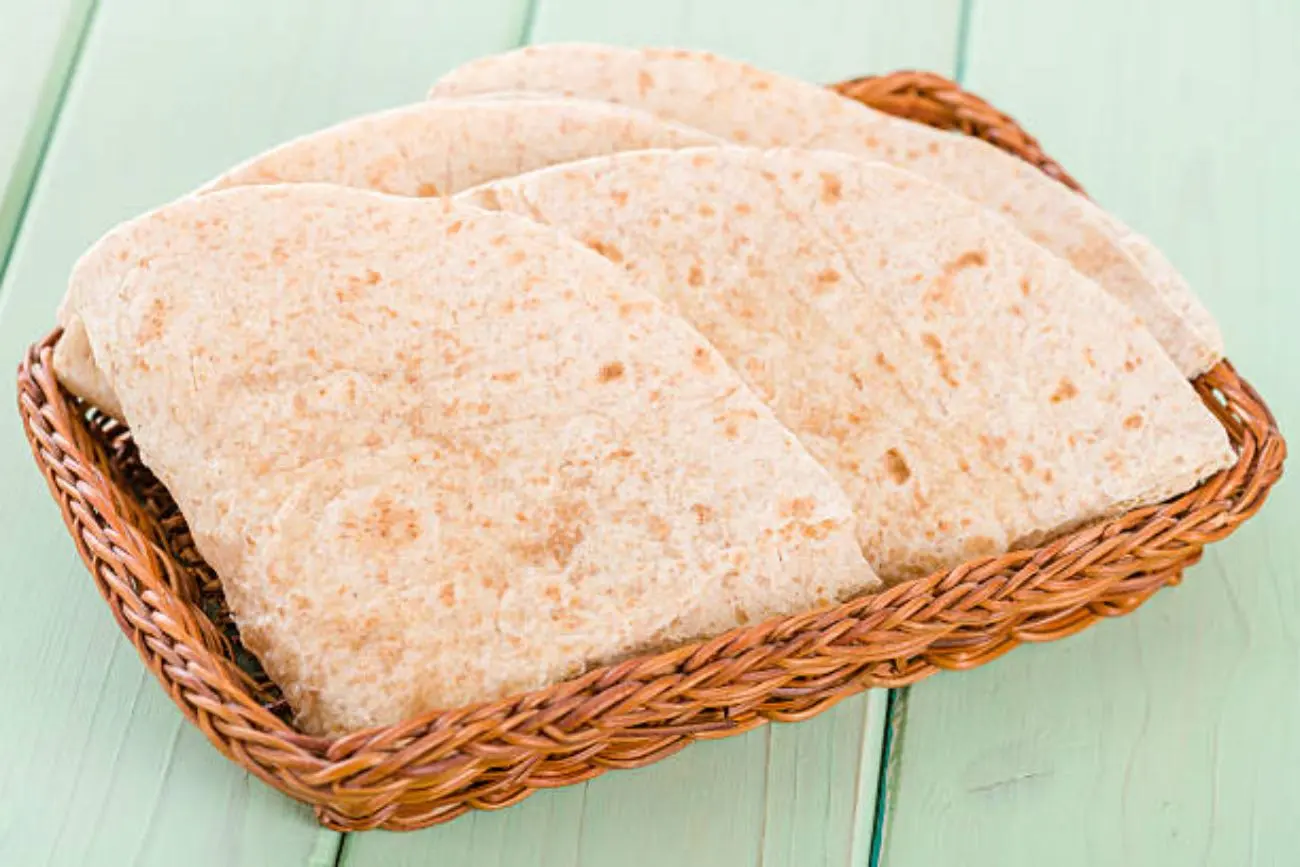
Khubz

Luqaimat
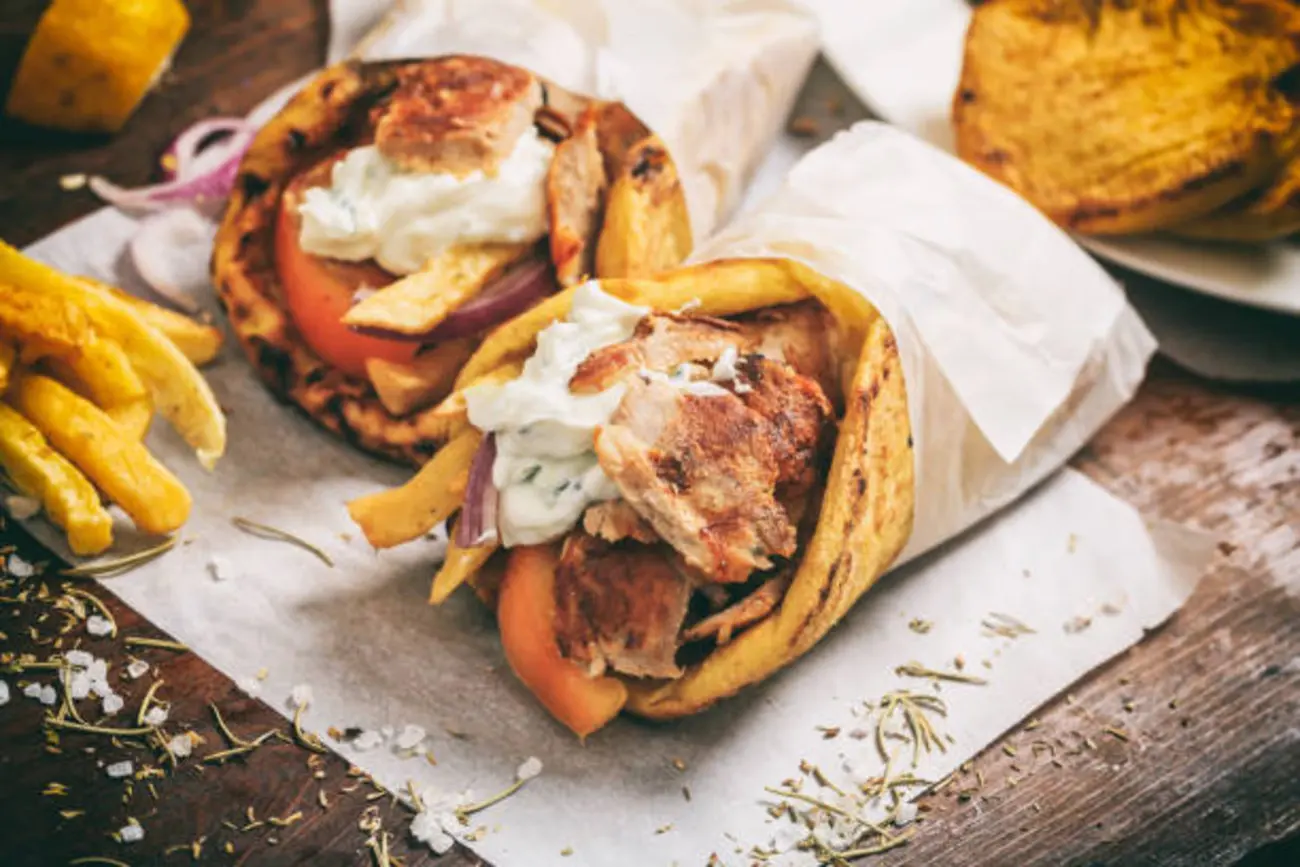
Shawarma
Al Harees
Machboos
Satay
Char Kway Teow
Laksa
Chilli Crab
Hainanese Chicken Rice

Moussaka
Greek Salad
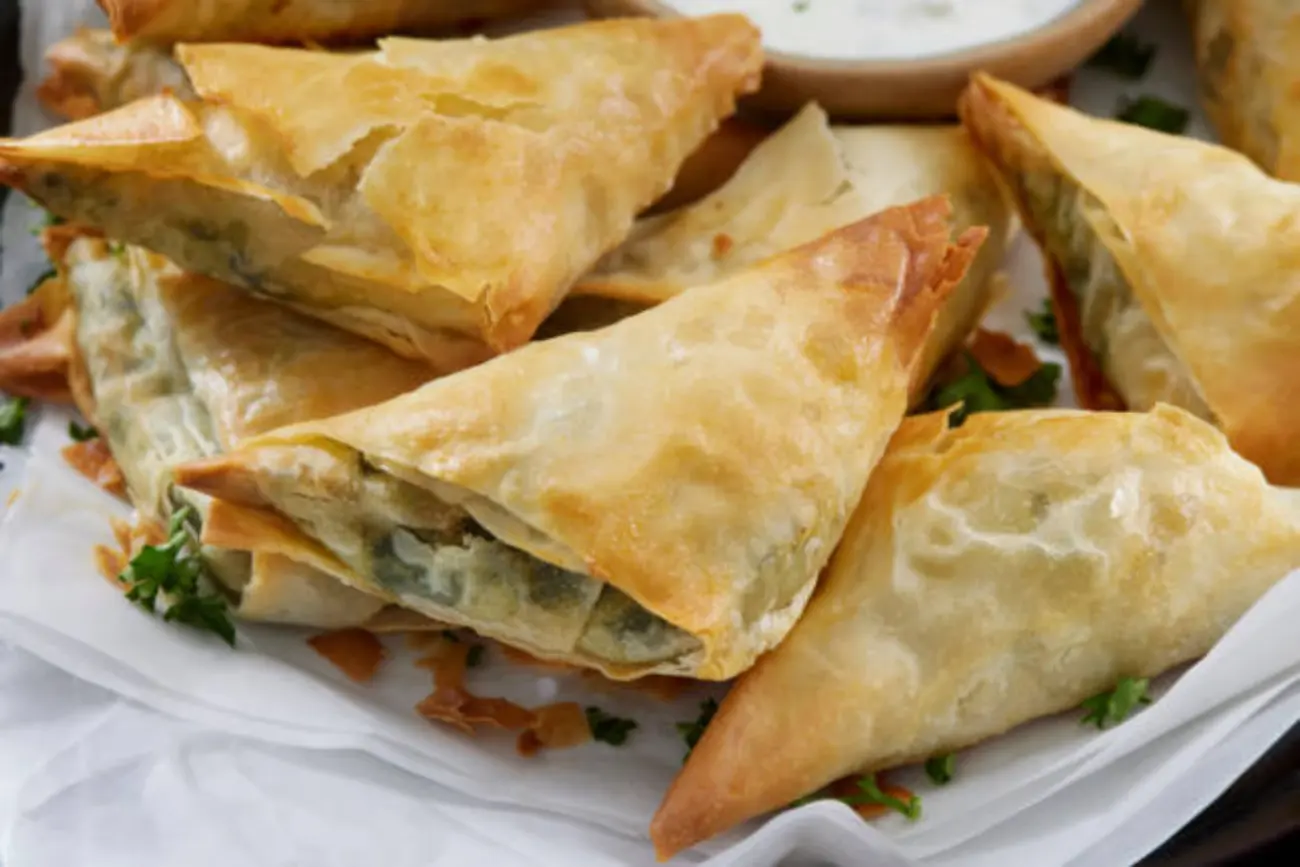
Spanakopita
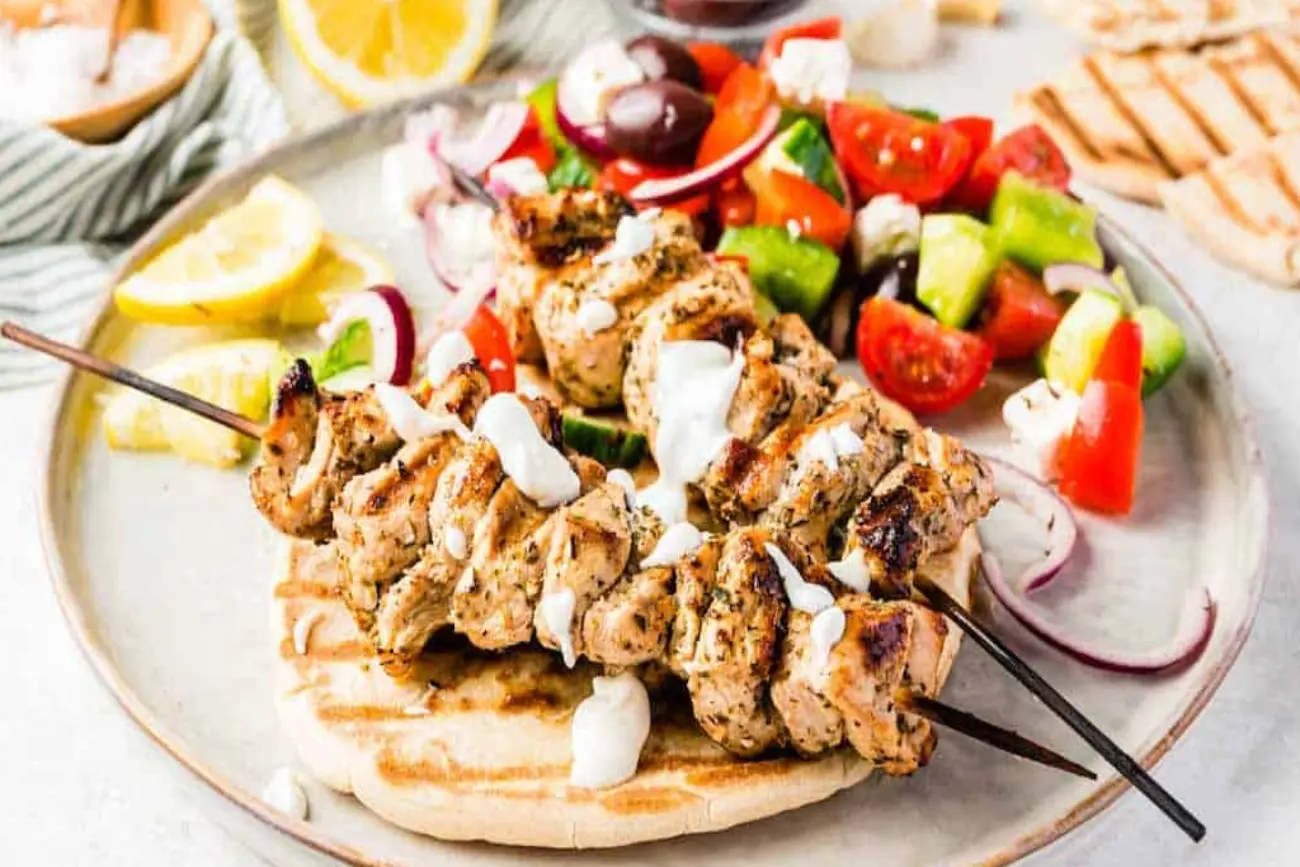
Greek Chicken Souvlaki Recipe with Tzatziki
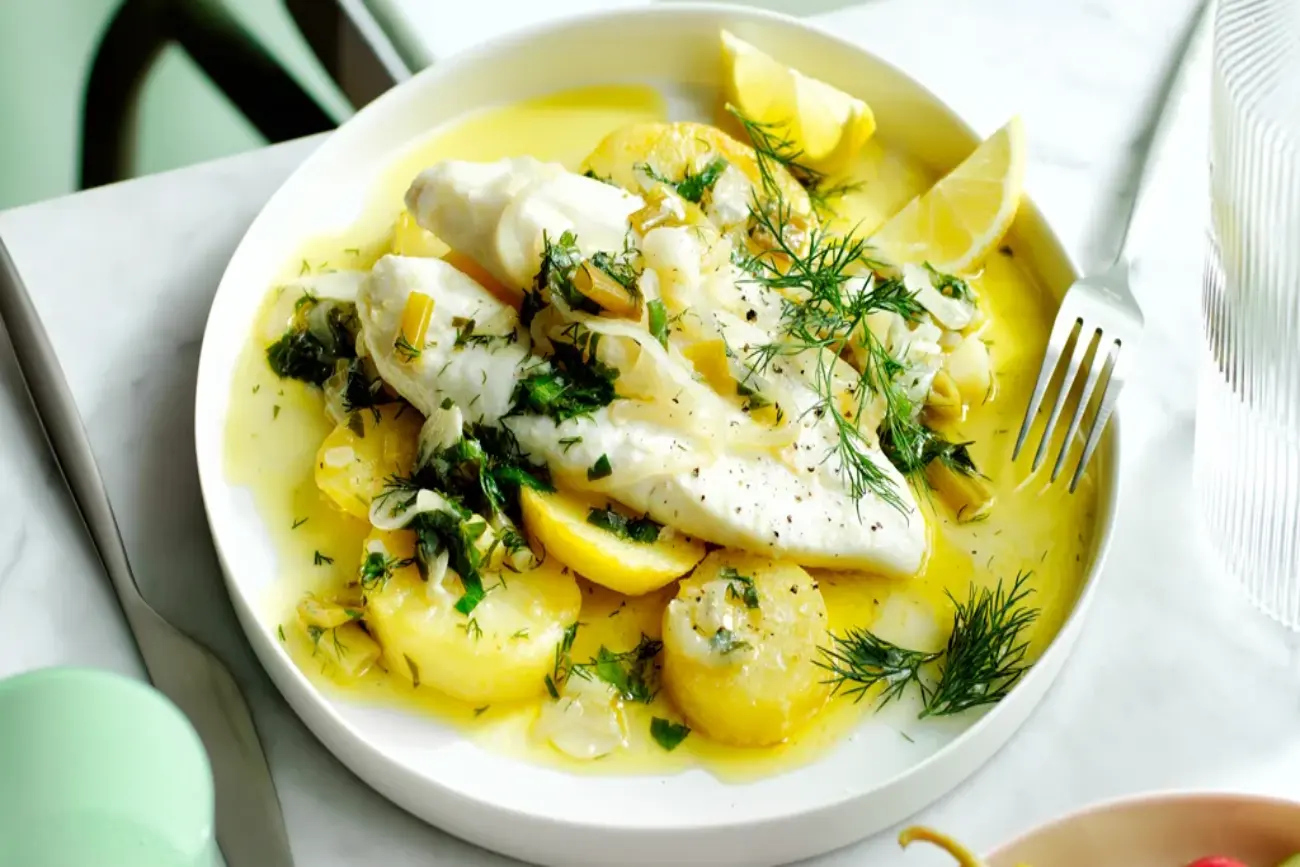
Bianco Fish
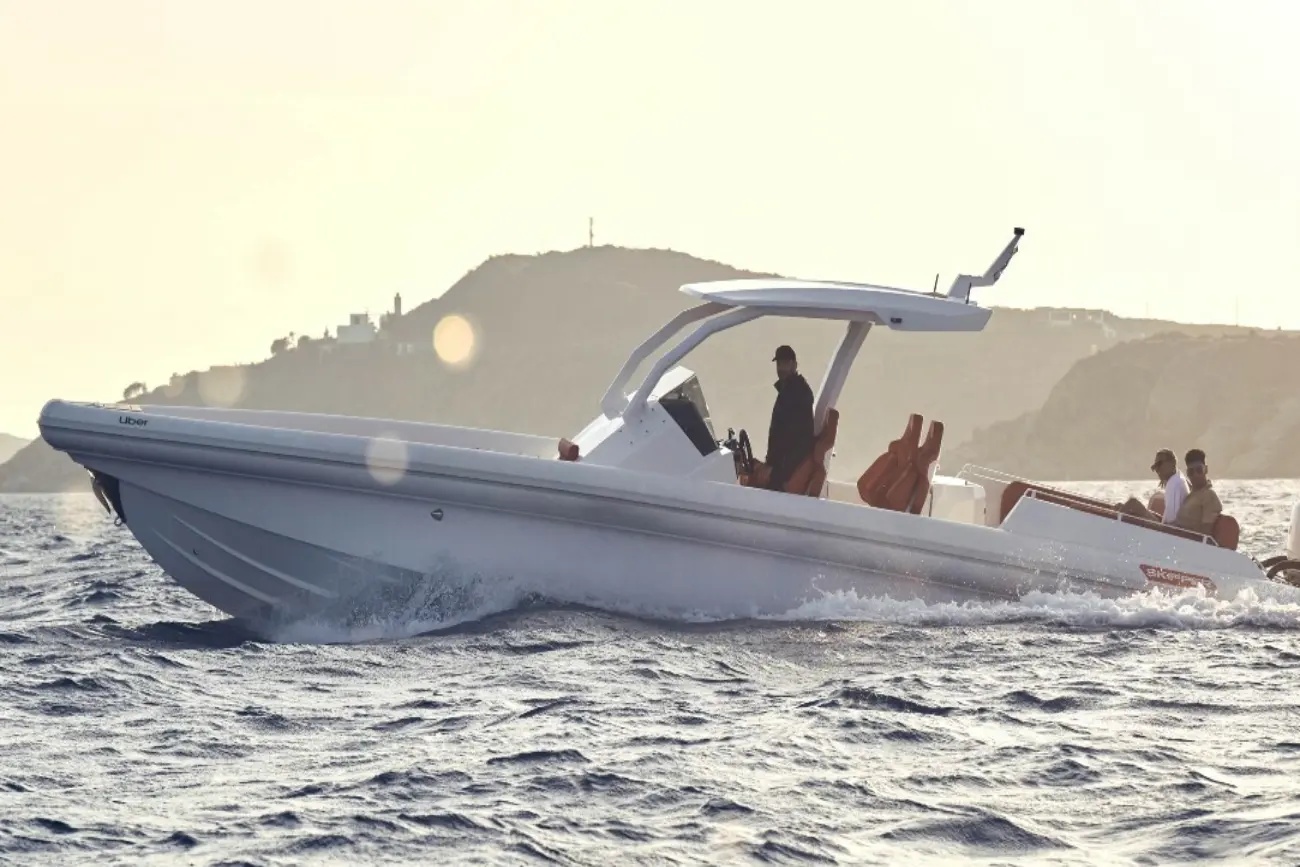
Private Chartered Boats Now Available in Mykonos, Greece
The Indian Traveller's Guide to Greece: Beyond the Usual!
21 Best Things To Do in Paros, Greece
Greece Family Holidays: Ultimate Guide to Perfect Family Vacations
Visit The Navagio Beach Shipwreck In Zakynthos
Journey through the timeless beauty of Greece’s Destinations
MyKonoos Gateway to Extraordinary Experiences
Travel: Explore. Dream. Discover.
Greece Awaits: Your Guide to Exploring Its Rich Heritage and Stunning Islands
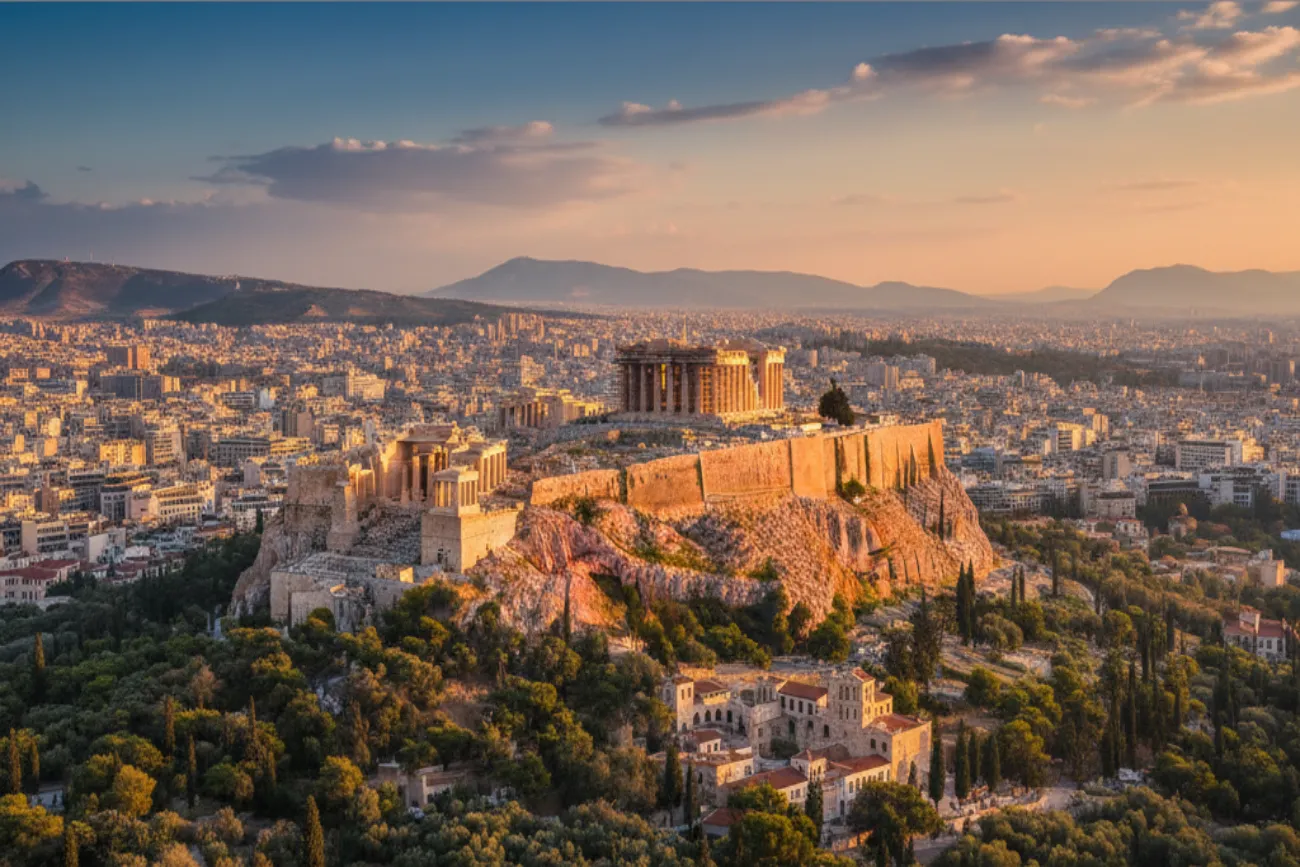
Discover the Magic of Greece’s Historic Heart: Acropolis
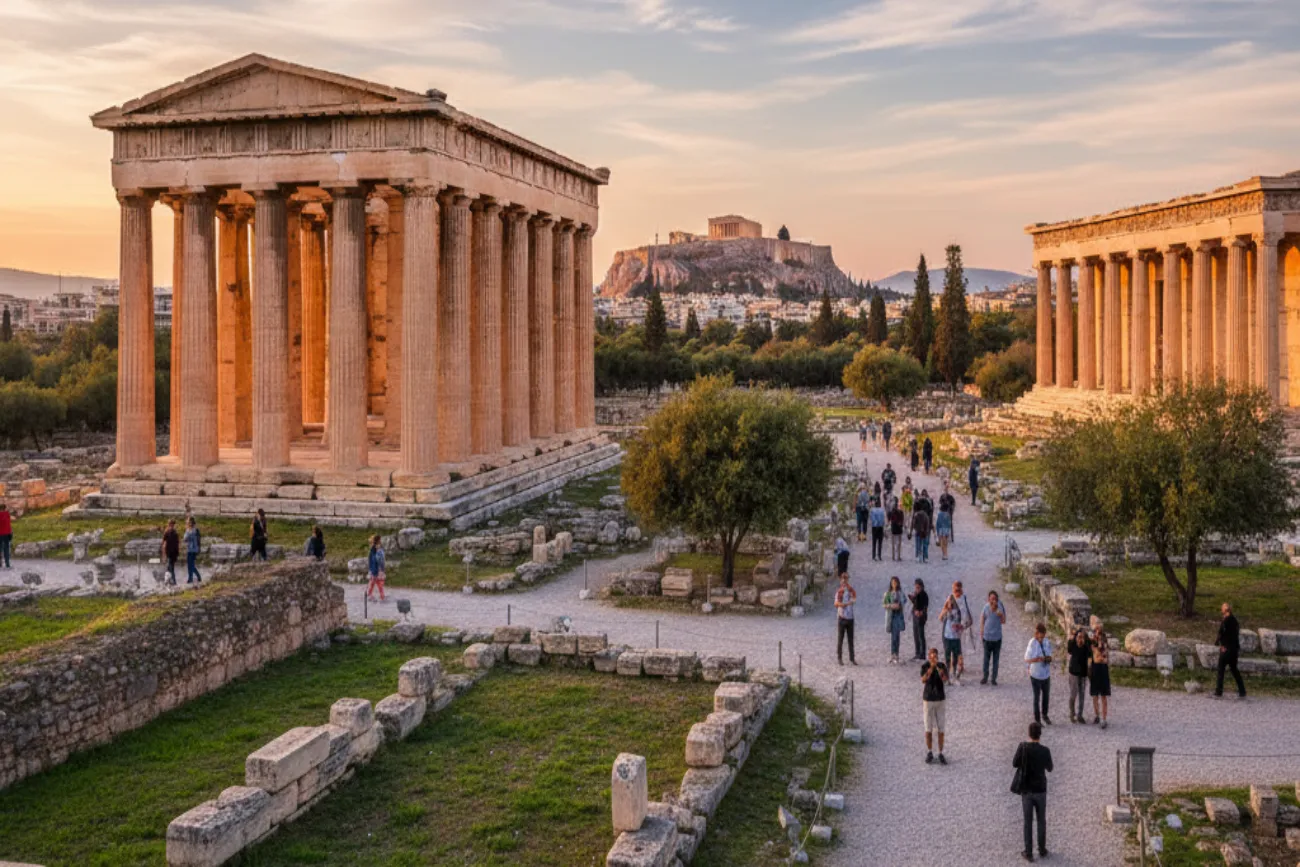
Experience the Timeless Charm of Greece’s Historic Heart : Ancient Agora