













30 Hidden Beaches in Sri Lanka
Mar 18, 2026
Ritik Rana
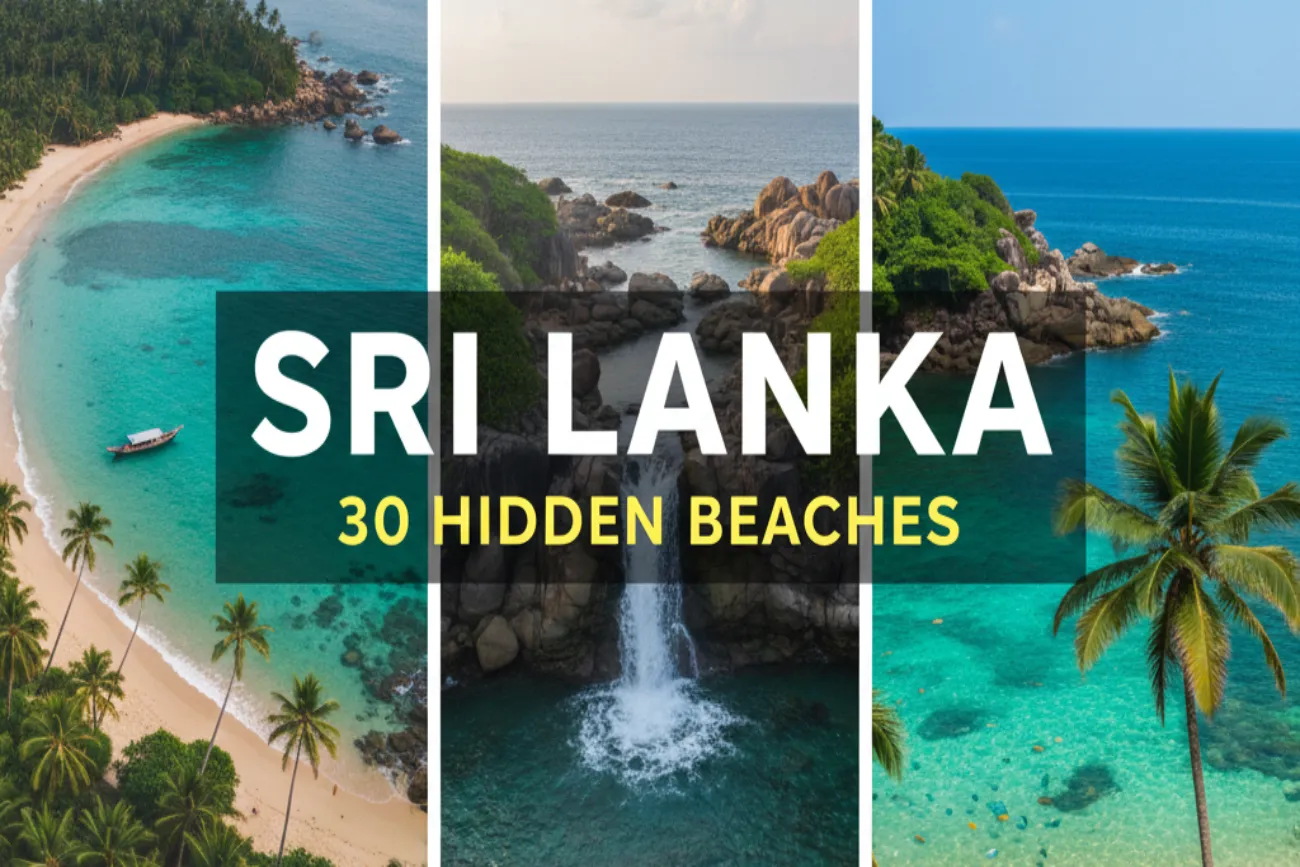
Sri Lanka is shaped like a teardrop falling into the Indian Ocean, and its coastline — roughly 1,600 kilometres of it — wraps around the island in an almost unbroken arc of sand, rock, reef, and jungle.
Most visitors see a fraction of it. They land in Colombo, make their way down the southwest coast to Unawatuna or Mirissa, spend a few days on the south coast, and leave having seen perhaps forty kilometres of shoreline out of 1,600.
What they miss is considerable. The south coast's popular beaches are genuinely beautiful, but Sri Lanka's real coastal treasures are scattered in less obvious places — on the wild, barely developed east coast where the Indian Ocean meets the Bay of Bengal, on the far northern peninsula where the land dissolves into tidal flats and shallow lagoons, on the deep south where jungle-backed coves sit empty between October and April, and along the west coast's quieter northern stretches where fishing villages have been there for centuries and the infrastructure for tourism has yet to catch up.
This is a guide to thirty of the finest hidden beaches on the island — places that require a little more effort, a longer drive, a tuk-tuk negotiation, or simply the willingness to walk past the first bay to the second one around the headland. They are, almost without exception, worth every bit of the effort.
A note on timing: Sri Lanka's coastline is divided by two monsoons. The southwest monsoon (May through September) brings rain and rough seas to the west and south coasts but leaves the east coast and north in good condition. The northeast monsoon (October through January) reverses the pattern.
The southwest and south are at their best from November through April; the east coast from May through September. The far north has a longer dry season and is generally accessible from April through September. Plan accordingly.
1. Jungle Beach — Unawatuna, Southern Province
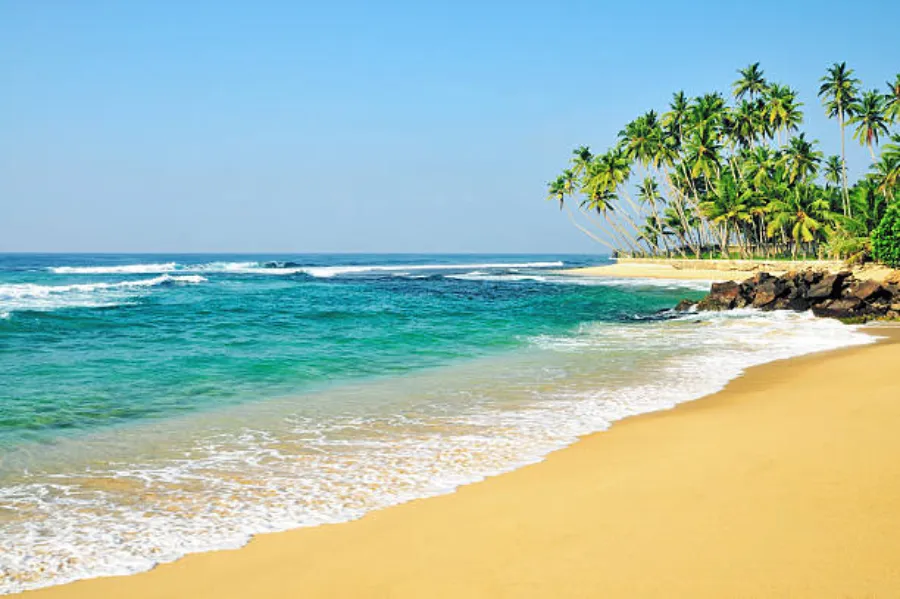
Most visitors to Unawatuna spend their entire time on the main bay and never discover that a five-minute walk through the headland forest leads to an entirely different beach. Jungle Beach sits on the other side of the promontory that anchors the western end of Unawatuna Bay — a small, enclosed cove hemmed in by trees, with the forest coming down almost to the waterline and the Indian Ocean arriving in calm, clear swells that make it one of the best snorkeling spots on the south coast.
The name is apt. Monkeys work through the canopy above the beach. The sand is finer and quieter than the main bay. There is a small shack that serves food and cold drinks, but nothing more. On a weekday morning in January, you might share it with a handful of people. The contrast with the busy main beach, barely five minutes away, is remarkable.
Best time to visit: November through April for calm seas and clear water. Weekday mornings are the quietest.
How to Get There: From Unawatuna beach, walk west along the shore to the rocky headland and follow the forest path over the hill — the walk takes about 5 minutes. Alternatively, tuk-tuks from Unawatuna town will drop you at the trailhead. No entrance fee.
Nearby Stay: Cantaloupe Levels on the Unawatuna headland offers boutique rooms with panoramic ocean views and an excellent rooftop restaurant. Thambapanni Retreat is a beautifully designed hillside property a short walk from both beaches.
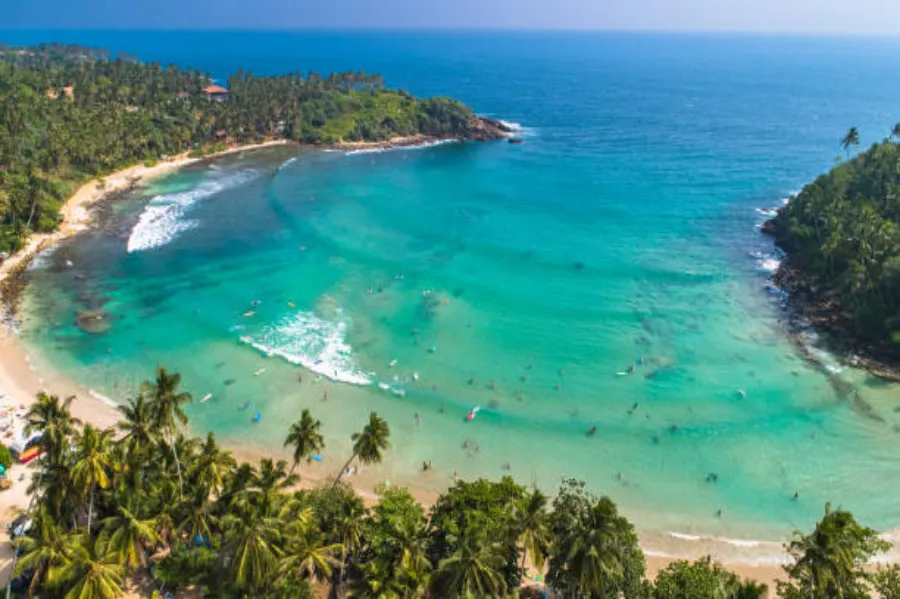
2. Hiriketiya Beach — Dickwella, Southern Province
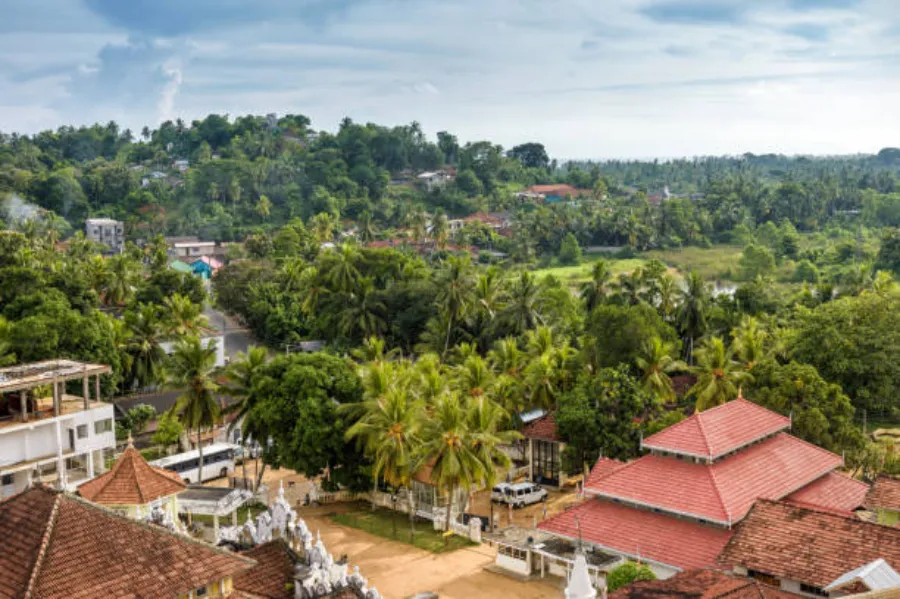
Until about a decade ago, Hiriketiya was known only to a small circuit of surfers who had found their way to this horseshoe-shaped bay south of Dickwella and kept quiet about it. The bay's shape creates a protected pocket of ocean that delivers consistent, gentle waves on the inside and more serious surf on the outside reef — ideal for beginners and intermediates, still interesting for experienced surfers on bigger swells.
The secret is considerably less well-kept than it once was, but Hiriketiya has absorbed the attention gracefully. A cluster of well-run guesthouses and small cafes lines the hill above the beach, but the bay itself remains relatively undeveloped — there are no large hotels, no beach vendors, no jet ski operators. The water is a deep cobalt and the curved sweep of the beach, framed by the headlands on either side, is one of the most naturally beautiful compositions on the south coast.
Best time to visit: November through April for surf and swimming. October and November bring the best swells for surfing; January through March for the clearest water.
How to Get There: From Dickwella on the A2 coastal road (approximately 25 km east of Matara), take the small road south toward Hiriketiya — follow signs, or ask locally, as the turnoff is easy to miss. The beach is about 3 km from the main road. Tuk-tuks run from Dickwella.
Nearby Stay: Dots Bay House is the original Hiriketiya guesthouse and remains among the best — a thoughtfully designed property on the hill above the bay with a strong sense of community. Dune by Hiriketiya is a newer, more polished boutique option with excellent food and direct bay views.
3. Rekawa Beach — Tangalle, Southern Province
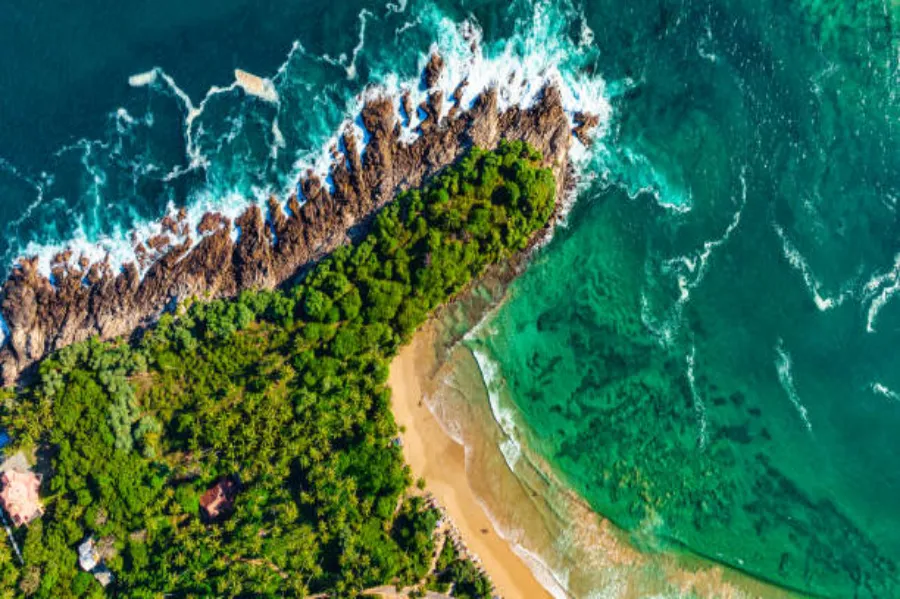
Rekawa is known to conservationists as one of the most important sea turtle nesting sites in Asia — five species nest here, and the beach is protected as part of a community conservation programme that has been running since the 1990s. It is also one of the longest, emptiest, and most beautiful beaches on the south coast, a wide arc of dark sand backed by coconut groves and lagoon that stretches for several kilometres without a single hotel on it.
The turtle watching, which operates through the local conservation group at night during nesting season (year-round, with peaks between March and August), is one of the most genuinely moving wildlife experiences in Sri Lanka. Watching a 150-kilogram leatherback emerge from the surf in total darkness to lay her eggs is not an experience that diminishes quickly.
Best time to visit: November through April for beach conditions. March through August for the highest turtle nesting activity. Night visits for turtle watching are organized through the Rekawa Turtle Conservation Project — contact them in advance.
How to Get There: From Tangalle town, take the road east toward Rekawa — approximately 12 km. The turtle watching site is clearly signed; for the beach itself, continue to the village and walk down to the shore. Tuk-tuks from Tangalle make the journey easily.
Nearby Stay: Amanwella, between Tangalle and Dikwella, is one of Sri Lanka's finest properties — a series of pool suites set on a hillside above a private bay. Buckingham Place, a boutique property near Tangalle lagoon, offers beautiful rooms and excellent food at a more accessible price.
4. Talalla Beach — Matara, Southern Province
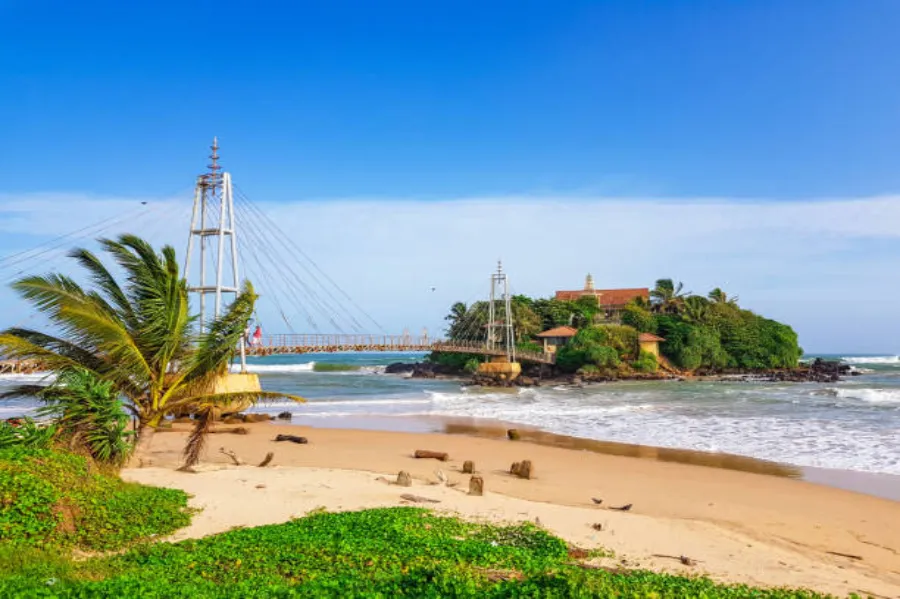
Talalla sits in a gap between Matara and Dikwella where the coastal road briefly retreats from the shoreline — a geographical fact that has kept it off most tourist itineraries and preserved the beach in something close to its original state. The bay is enclosed, the water calm inside the reef, and the village behind the beach still functions primarily as a fishing community rather than a tourist destination.
There is a small surf break here that works consistently between November and March, and the snorkeling inside the reef is good on calm days. But the main reason to come to Talalla is for the simplicity — the long, palm-fringed arc of sand, the fishing outriggers pulled up above the tide line, and the absence of the commercial beach infrastructure that has changed the character of so many south coast towns.
Best time to visit: November through April. The reef provides enough protection that the beach is swimmable through most of the season.
How to Get There: From Matara, drive east on the A2 for approximately 15 km. Look for the Talalla turnoff on the ocean side of the road — it's signed but easy to miss at speed. The beach is about 1 km from the main road.
Nearby Stay: Talalla Retreat is a small, well-regarded yoga and wellness property directly on the beach — one of the few accommodation options here and a genuinely peaceful place to stay. For more options, Matara town (15 km west) has a wider range of guesthouses and hotels.
5. Polhena Beach — Matara, Southern Province
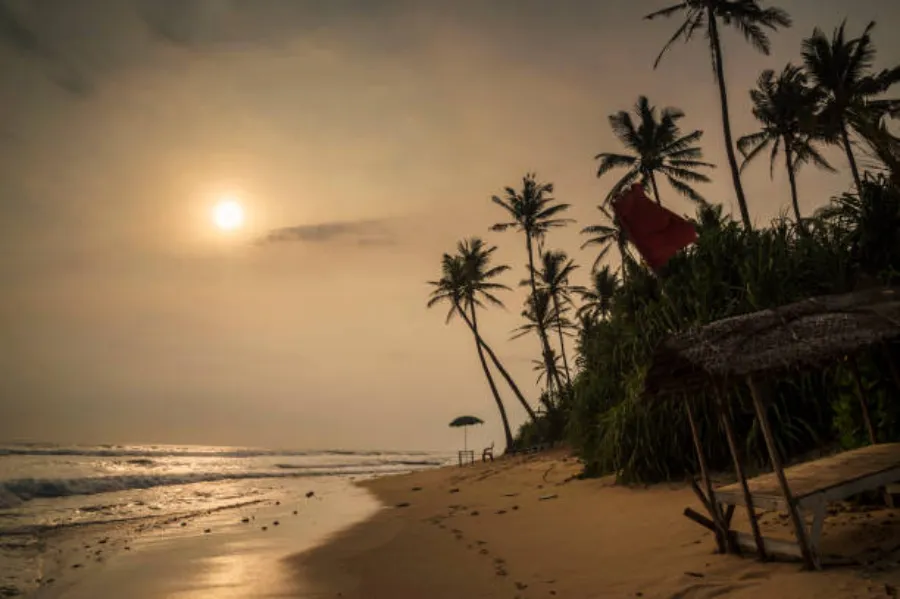
Polhena lies on the western edge of Matara town, separated from the busier Matara Beach by a rocky headland, and it is consistently overlooked in favour of the more famous beaches further east and west. This oversight benefits everyone who does find it. The beach is protected by a fringing reef that creates an inner lagoon of extraordinary clarity — calm, warm, and shallow enough for confident swimming year-round — and the reef itself is home to a resident population of sea turtles that are reliably encountered by snorkelers.
The turtles at Polhena are one of Sri Lanka's more accessible wildlife encounters. They feed on the reef grass in the inner lagoon and are accustomed to human presence without being habituated to the point of being harassed. Early morning, before the day-trippers arrive from Matara, is the best time.
Best time to visit: Year-round for turtle snorkeling due to the reef protection, though November through April produces the clearest water. Early mornings for the best turtle encounters.
How to Get There: From Matara town centre, head west along the coastal road for approximately 2 km to Polhena village. Tuk-tuks from Matara bus or train station make the journey in about 10 minutes. Snorkel equipment is available for rent from shacks near the beach.
Nearby Stay: Polhena has several small guesthouses directly on the beach — Polhena Reef Garden is a simple, friendly option with direct beach access. For more comfort, the properties in Matara town or along the road to Mirissa offer a wider selection.
6. Weligama Bay (East End) — Southern Province
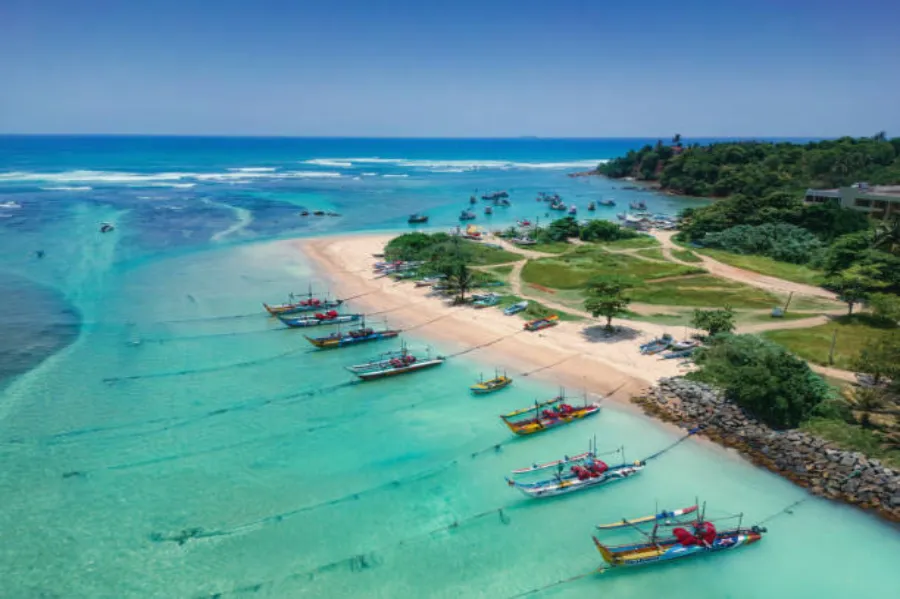
Weligama Bay is famous — famous enough to have hosted a Marriott resort and a steady stream of beginner surfers who arrive to take lessons on its long, gentle break. But the eastern end of the bay, past the cluster of surf schools and toward the headland, is a different story. The sand here is wider, the waves less consistent (and therefore less crowded), and the view back across the bay toward Taprobane Island — the tiny private island sitting in the middle of the bay — is one of the south coast's more picturesque compositions.
Walking this stretch of beach in the early morning, before the surf lessons begin, is one of those low-key travel pleasures that rarely makes it into guidebooks: the outrigger fishermen bringing in their catch, the bay catching the morning light, the island sitting out there with its colonial-era villa half-hidden in the trees.
Best time to visit: November through April. Early mornings throughout the season for the best light and fewest people.
How to Get There: From Weligama town (accessible by train from Colombo — approximately 2.5 hours — or by road via the Southern Expressway), walk east along the beach from the main surf area. The quieter eastern end is about 20 minutes on foot.
Nearby Stay: The Villas Weligama is a luxury clifftop property with outstanding bay views. For a more intimate stay, Cape Weligama — set on the eastern headland above the bay — offers beautifully designed villas with perhaps the best ocean views on the entire south coast.
7. Coconut Point — Tangalle, Southern Province
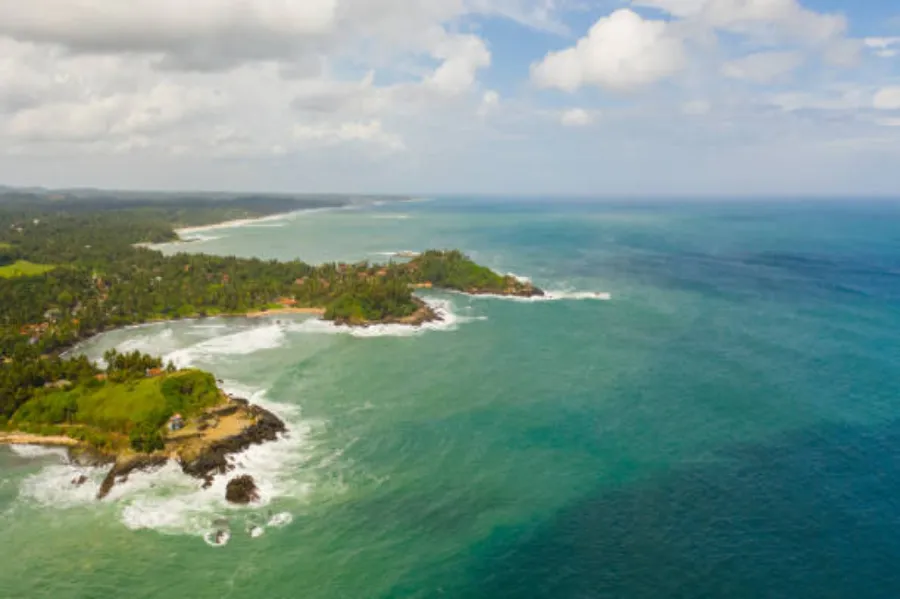
Coconut Point is exactly what it sounds like: a narrow strip of sand projecting into the lagoon system west of Tangalle, lined so densely with coconut palms that walking its length feels like moving through a green tunnel that opens, at the end, to a view of open water in three directions. It is one of the more compositionally unusual beaches in Sri Lanka — less a place for swimming than for the particular pleasure of being surrounded by water on three sides with the palms overhead.
The lagoon water on the sheltered side is calm and warm, ideal for kayaking, and the beach on the ocean side catches whatever swell is running — sometimes swimmable, sometimes not. Local fishermen work the lagoon channels in the early morning and late afternoon.
Best time to visit: November through April. The point is accessible year-round but the ocean side is rough during the southwest monsoon.
How to Get There: From Tangalle town, head west along the lagoon road for approximately 4 km. Ask locally for Coconut Point — it is known to every tuk-tuk driver in Tangalle. The point itself involves a short walk through the palm grove from the road.
Nearby Stay: Amanwella and Buckingham Place (both listed under Rekawa) are the closest high-quality options. Several smaller guesthouses operate in Tangalle town, including the well-regarded Ganesh Garden Beach Guesthouse.
8. Patanangala Beach — Yala, Southern Province
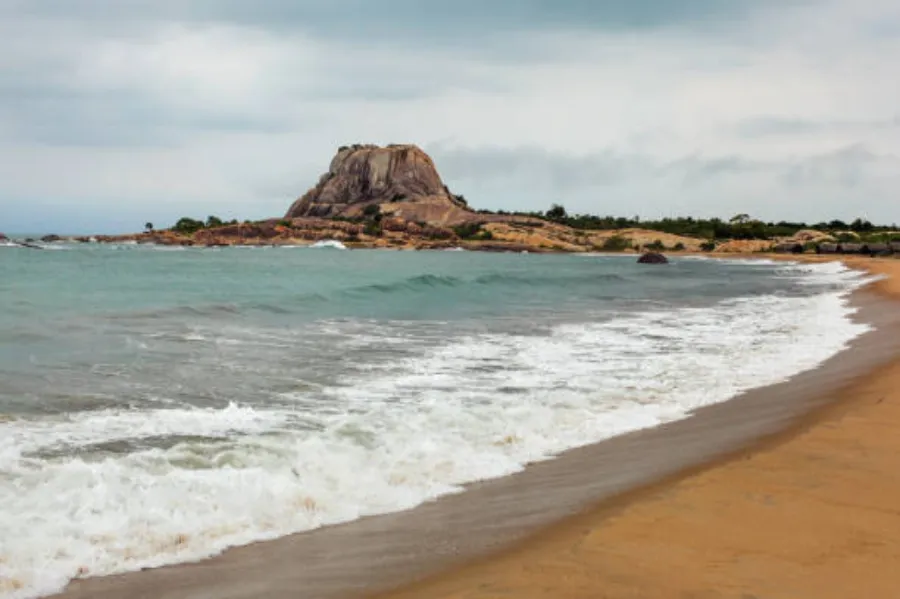
Most people who visit Yala National Park spend their safari time in the park's interior, and very few make it to Patanangala Beach — a wild, remote stretch of coastline within the park's boundaries where elephants walk down to the water's edge, crocodiles bask on the sand, and the Indian Ocean arrives without obstruction. It is one of the genuinely extraordinary juxtapositions that Sri Lanka produces: a beach that is simultaneously a wildlife reserve.
Access is only possible on an organised safari, which means the beach is never crowded. The experience of sitting on the sand watching an elephant move through the scrubland behind the dune line is not something that most beach destinations in the world can offer.
Best time to visit: February through July, when Yala's water holes are lower and wildlife concentrations near the coast are highest. The park closes annually in September for maintenance — check current dates before planning.
How to Get There: Yala National Park is approximately 300 km southeast of Colombo via Hambantota. Safari jeeps enter through the Palatupana gate. Patanangala Beach is within the park — access is only possible on a licensed safari with a registered guide. Book through reputable operators in Tissamaharama or through your accommodation.
Nearby Stay: Chena Huts by Uga Escapes is a design-forward tented camp within the park's buffer zone — intimate, beautifully conceived, and appropriately expensive. Cinnamon Wild Yala is a well-established resort on the park boundary with comfortable rooms and experienced naturalist guides.
9. Okanda Beach — Yala East, Eastern Province
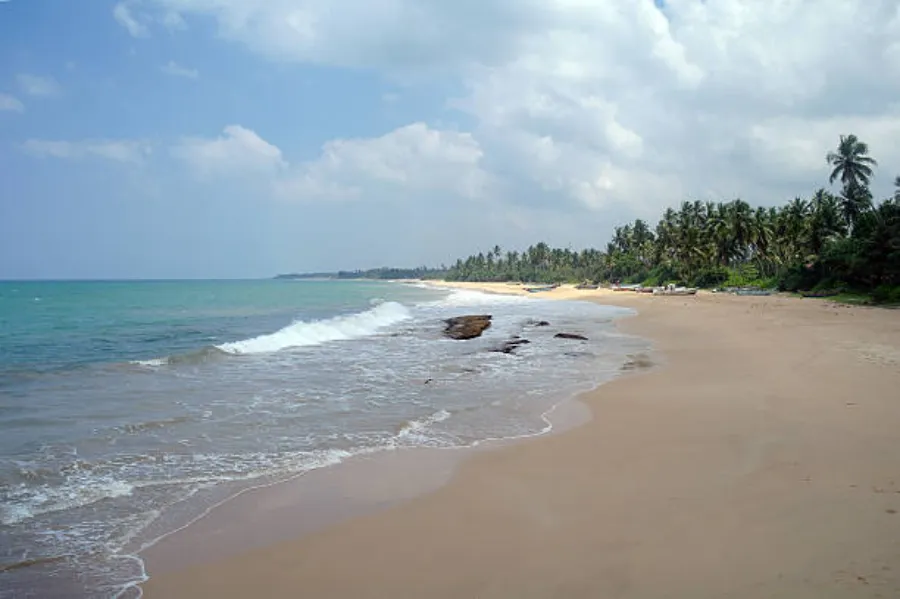
Beyond the main Yala National Park, the eastern extension of the protected area — sometimes called Yala East or Kumana — contains some of the wildest and most remote coastline in Sri Lanka. Okanda Beach, at the site of an ancient Hindu temple, is a long, deserted stretch of sand at the point where the park's eastern boundary meets the sea.
The approach along the coastal track from Pottuvil is an adventure in itself — a rough road through scrubland and lagoon that passes through communities that have lived on this coast for generations. The beach at Okanda is effectively undiscovered by mainstream tourism, which means you are likely to share it with migrating shorebirds, the occasional monk at the temple, and nothing else.
Best time to visit: May through September, when the east coast is in its dry season. The coastal track can be impassable in wet conditions.
How to Get There: From Pottuvil (near Arugam Bay on the east coast), take the coastal track south approximately 20 km toward Okanda. A 4WD vehicle is essential — this is not a road for regular cars. Local guides are strongly recommended; arrange through operators in Arugam Bay.
Nearby Stay: Accommodation is limited in this area by design and geography. The best base is Arugam Bay, approximately 30 km north, where a wide range of guesthouses and boutique properties operates during the May–September season. Safa Surf Hotel and Samara Hotel are both reliable, well-regarded options in Arugam Bay.
10. Arugam Bay (South Point) — Eastern Province
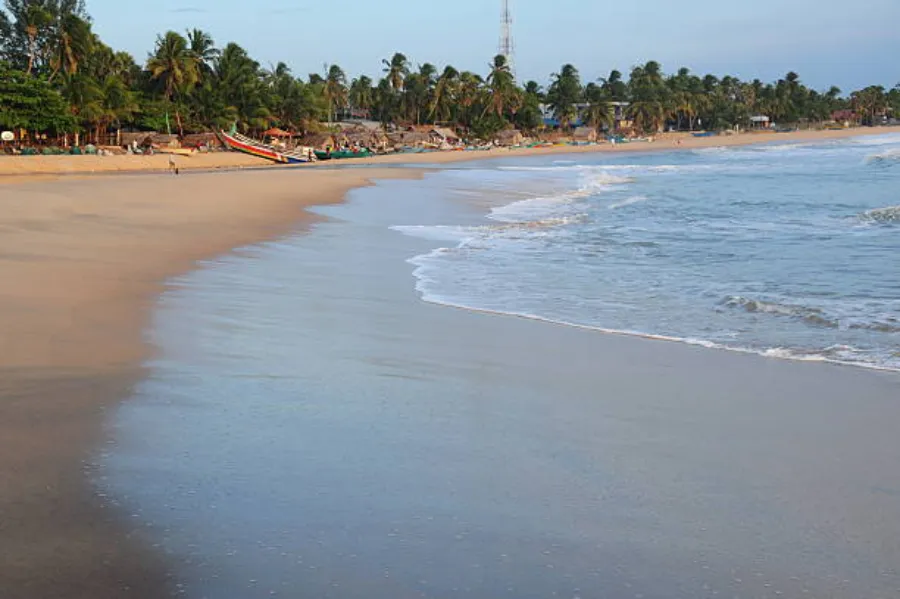
Arugam Bay's main break is one of the most famous surf spots in Asia — consistently ranked among the world's top point breaks, with a long right-hander that works from May through September and draws surfers from every continent. The main beach during surf season is busy, social, and thoroughly international.
But walk south from the main break, past the point, and the character of the coast changes completely. A series of quieter beaches — Peanut Farm, Elephant Rock, Okanda (covered separately) — stretch south in decreasing order of accessibility and crowd. Peanut Farm Beach, named for the agricultural land behind it, is the first of these and is reliably quiet even during Arugam Bay's peak season.
Best time to visit: May through September for the east coast dry season. The main break is best June through August; the southern beaches are good throughout the season.
How to Get There: From Arugam Bay village, walk or hire a bicycle south along the coastal track. Peanut Farm Beach is approximately 3 km from the main bay. Tuk-tuks run this route regularly during surf season.
Nearby Stay: Hideaway Resort Arugam Bay is a relaxed, well-run property popular with long-stay surfers. Stardust Hotel is a longstanding Arugam Bay institution with a good restaurant and consistent service. Both are in the village near the main break.
11. Pasikudah Bay — Eastern Province
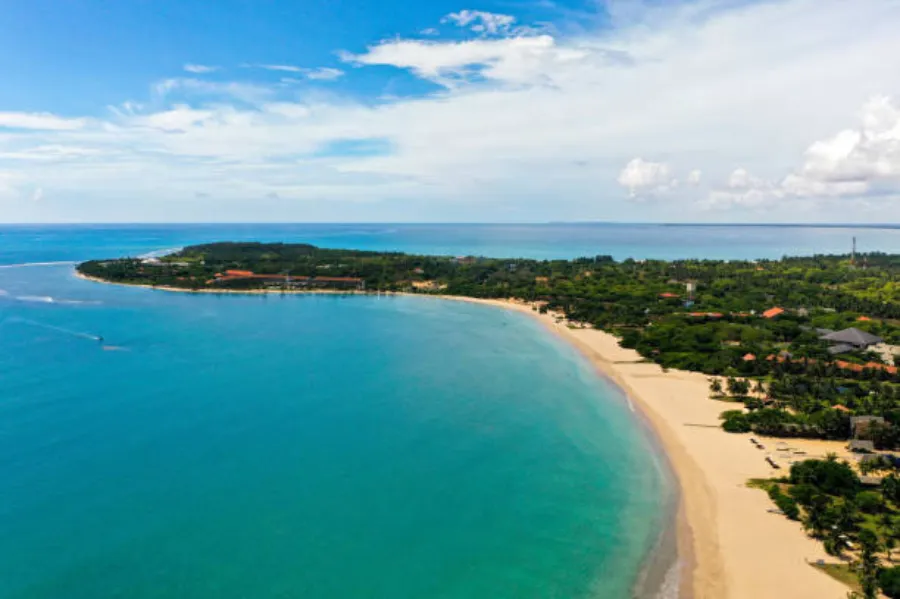
Pasikudah is technically not undiscovered — a handful of large resort hotels have been built along its northern shore in recent years — but the bay is so large and its southern and eastern sections so little-developed that it is entirely possible to walk for an hour along the waterline without passing another tourist. The bay is exceptional: a vast, shallow lagoon protected by an offshore reef, with water warm enough to swim in year-round and clear enough, on a calm day, to see the bottom at depths of several metres.
The reef that creates the lagoon also makes Pasikudah one of the safest swimming beaches in Sri Lanka — the water inside is virtually waveless. Snorkeling on the reef itself is rewarding, with good coral coverage and a healthy population of reef fish despite some storm damage in recent years.
Best time to visit: May through September for the east coast's best weather. The bay is protected enough to be swimmable outside these months but the surrounding area can be overcast.
How to Get There: Pasikudah is approximately 35 km north of Batticaloa on the east coast. From Colombo, the drive takes about 5 to 6 hours. The nearest train station is Valaichenai; tuk-tuks run from there to the bay. Buses run from Batticaloa to Pasikudah.
Nearby Stay: Anilana Pasikuda is one of the better-designed properties on the bay, with direct beach access and good snorkeling from the shore. For something smaller and more personal, several guesthouses operate in the village behind the beach at a fraction of the resort prices.
12. Nilaveli Beach — Trincomalee, Eastern Province
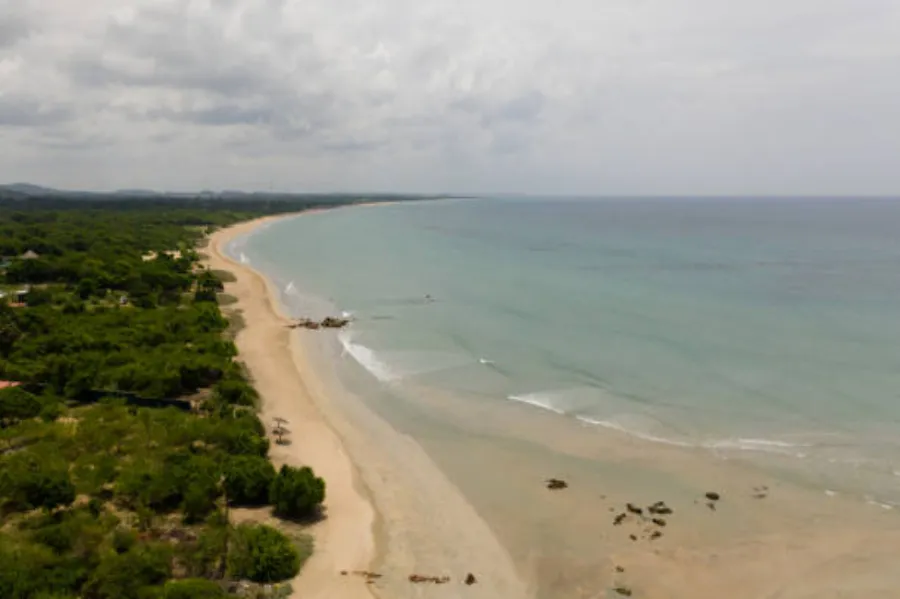
Nilaveli is Trincomalee's finest beach — a long, straight stretch of sand north of the town that benefits from the same gin-clear water that makes the east coast so exceptional, without the development pressure of the resort areas further south. The beach runs for several kilometres with only a handful of hotels along its length, and sections of it in the early morning are essentially empty even in peak season.
The water at Nilaveli is warm, calm, and deep enough for proper swimming from the shore — a combination that is rarer on Sri Lanka's beaches than you might expect. The reef offshore at Pigeon Island (visible from the beach) is one of the best snorkeling sites in the country.
Best time to visit: May through September for the east coast dry season. July and August are peak months, when the water is at its clearest and calmest.
How to Get There: From Trincomalee town, drive or take a tuk-tuk north approximately 16 km on the coastal road. The beach access is clearly signed at various points along the road.
Nearby Stay: Jungle Beach by Uga Escapes, accessible by boat from Nilaveli, is one of the most atmospheric properties on the east coast — a boutique resort in its own secluded bay. Nilaveli Beach Hotel is a reliable, well-positioned option directly on the beach with good facilities.
13. Kuchchaveli Beach — Trincomalee, Eastern Province
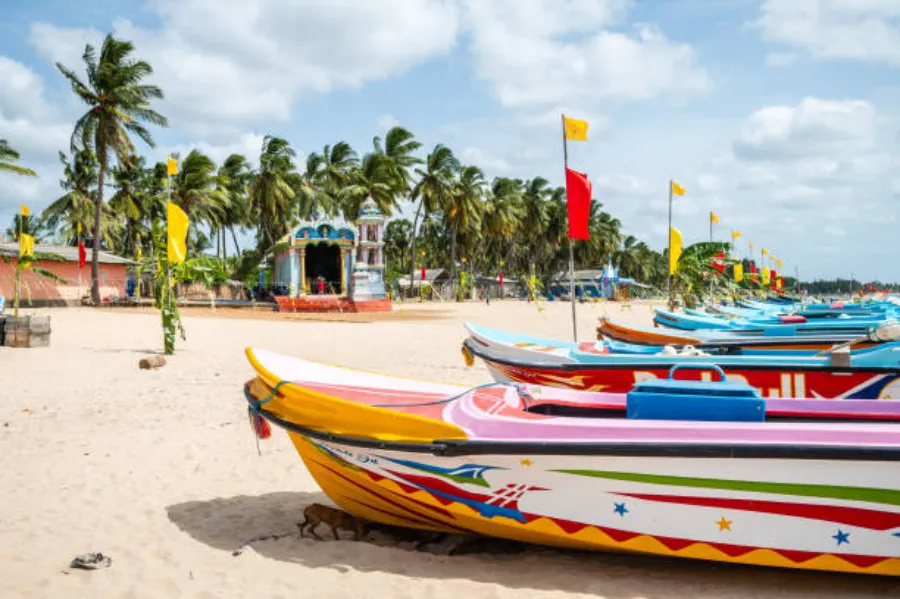
Continue north from Nilaveli for another 15 kilometres and the beach gets better and the people disappear almost entirely. Kuchchaveli sits at the northern end of the Trincomalee coastal strip, in a bay that is as fine as anything further south but sees a fraction of the visitors. The sand is pale and fine, the water the characteristic east coast turquoise, and the surrounding landscape — low scrub and lagoon — gives the place a frontier quality that feels genuinely remote even though it is perfectly accessible by road.
A small temple on the headland at the northern end of the bay is worth the short walk for the views back across the beach and the bay below.
Best time to visit: May through September. June through August for the most reliable weather.
How to Get There: From Trincomalee, drive north approximately 30 km on the coastal road through Nilaveli. Kuchchaveli village is signed; the beach is a short walk from the road.
Nearby Stay: Accommodation in Kuchchaveli itself is very limited — the beach is best visited as a day trip from Trincomalee or Nilaveli. Jungle Beach by Uga Escapes and Nilaveli Beach Hotel (both listed above) are the best bases for this stretch of coast.
14. Uppuveli Beach — Trincomalee, Eastern Province
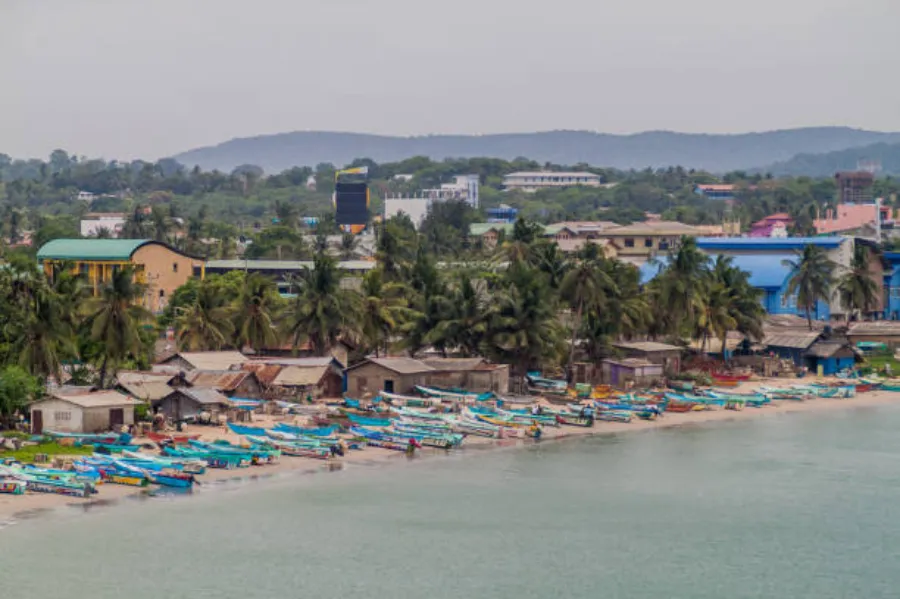
While Nilaveli gets most of the attention north of Trincomalee, Uppuveli — just 4 km from the town centre — has a quieter, more local character that suits it well. The beach is long and clean, with calm, swimmable water throughout the east coast season, and the mix of guesthouses and small restaurants along the shore has developed organically rather than around a resort-hotel model. Whale sharks have been sighted in the waters offshore with enough regularity to make it worth keeping your eyes open when snorkeling.
The Commonwealth War Cemetery near Uppuveli — the resting place of nearly 400 Allied servicemen who died in the region during World War II, including some killed in the 1942 Japanese attack on Trincomalee harbour — adds a layer of history to the area that is worth an hour of quiet reflection.
Best time to visit: May through September. The beach is at its quietest and most beautiful in May and early June before peak season.
How to Get There: From Trincomalee town, travel north 4 km by tuk-tuk or bus. The beach road runs parallel to the main road; ask for Uppuveli beach.
Nearby Stay: The Reef Villa Uppuveli is a small, well-regarded property directly on the beach. Palm Beach Resort Uppuveli is a slightly larger option with a good restaurant and consistent reviews. Both offer good value relative to the more established resorts further north.
15. Kalkudah Bay — Eastern Province
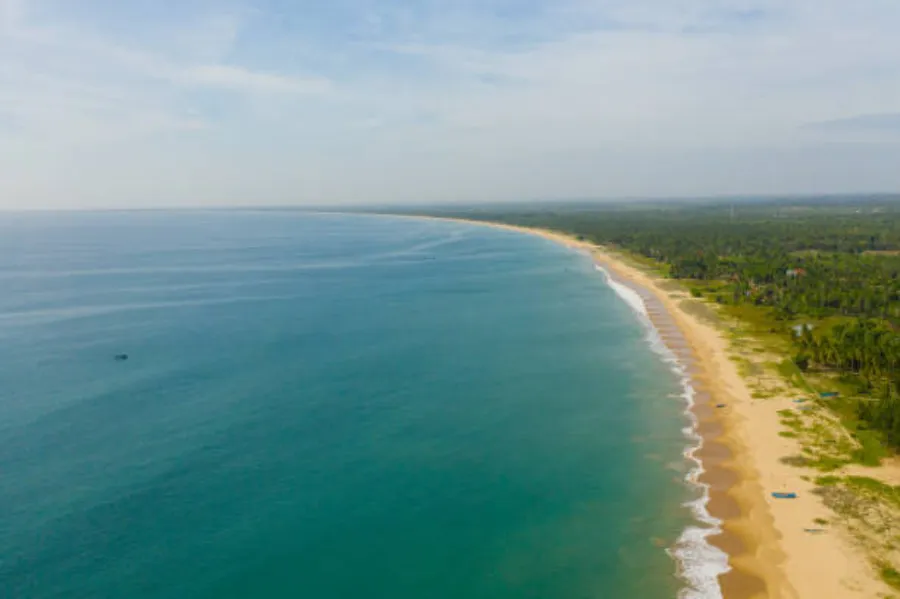
Kalkudah sits just across the headland from Pasikudah, sharing the same reef protection and the same extraordinary water clarity, but with almost none of the resort development that has begun to change Pasikudah's northern shore. The bay is smaller and more intimate, the sand is excellent, and the fishing community at the southern end gives the place an authentic local character that the more developed beaches nearby have largely lost.
In the 1970s, Kalkudah was popular enough to appear in international travel guides as one of Sri Lanka's finest beaches. The civil conflict that followed kept tourists away for decades, and the beach has never fully re-entered the tourism circuit — which is, from a visitor's perspective, a very fortunate thing.
Best time to visit: May through September for east coast conditions. The bay's reef protection means it is technically swimmable year-round, but the surrounding area is most pleasant in the dry season.
How to Get There: From Valaichenai, head east toward the coast and follow signs for Kalkudah. The bay is approximately 35 km north of Batticaloa. Tuk-tuks run from Valaichenai; the journey takes about 20 minutes.
Nearby Stay: Accommodation in Kalkudah itself is very limited. The same options in Pasikudah apply — Anilana Pasikuda and local guesthouses are the best nearby bases.
16. Pigeon Island Beach — Trincomalee, Eastern Province
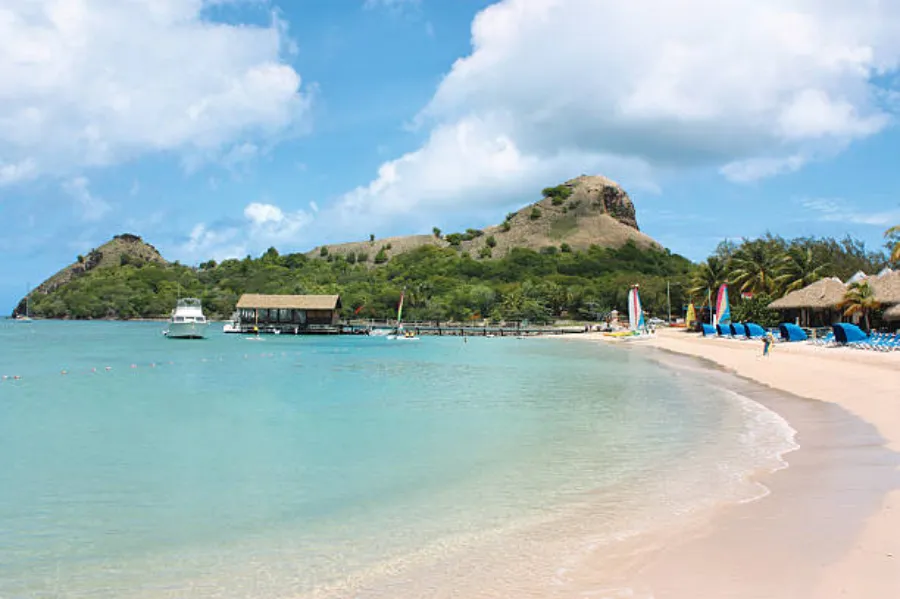
Most visitors to Pigeon Island come for the reef, and for good reason — the coral here is some of the healthiest in Sri Lanka, with blacktip reef sharks, hawksbill turtles, and a dense population of reef fish visible in shallow water. But the small beach on the island's western side, facing back toward Nilaveli across the channel, is one of those accidental perfections: fine white sand, crystal water, complete isolation from the mainland, and a view of absolutely nothing except the Indian Ocean.
The island sees most of its visitors in the morning. Negotiate an afternoon boat crossing with one of the Nilaveli operators and the late-day beach, with the light coming low off the water, can be extraordinarily beautiful.
Best time to visit: May through September for the east coast season. Arrange afternoon visits through Nilaveli boat operators to avoid the morning crowds.
How to Get There: Boat trips to Pigeon Island depart from the Nilaveli beach access point (approximately 16 km north of Trincomalee). The crossing takes about 10 minutes; negotiate directly with boat operators at the beach.
Nearby Stay: Jungle Beach by Uga Escapes and Nilaveli Beach Hotel (see entries above) are the best bases for Pigeon Island visits.
17. Mannar Island — Northern Province
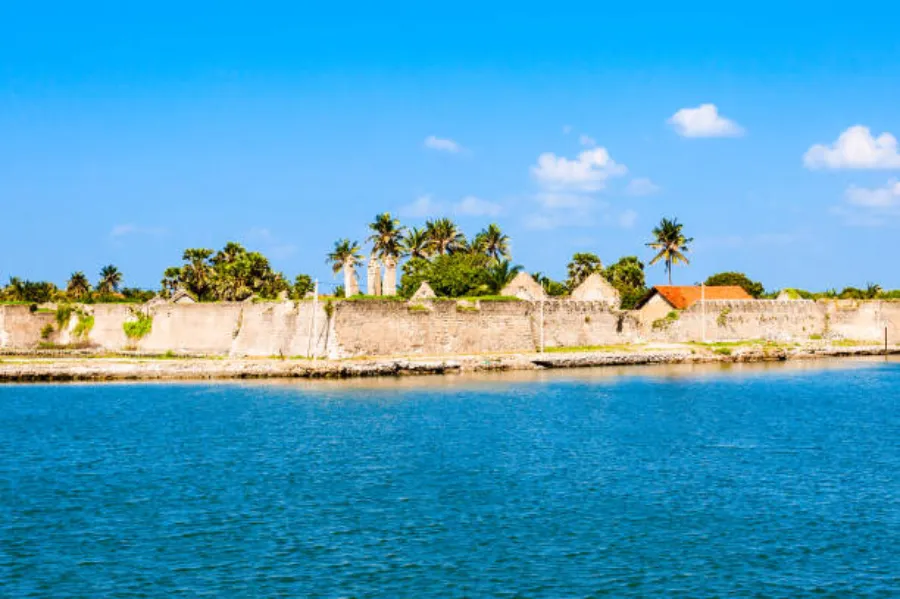
Mannar Island extends into the Gulf of Mannar on Sri Lanka's northwestern coast like a long, narrow finger pointing toward India — the two countries are only 31 kilometres apart at the closest point, and on a clear day the Indian coast is visible from Mannar's beaches. The island's beaches are wild, flat, and almost entirely devoid of tourism infrastructure, backed by a landscape of arid scrubland and baobab trees — the latter brought from Africa by Arab traders centuries ago and now so established that they are considered part of the local ecosystem.
Flamingos work the tidal flats on the lagoon side of the island. The beaches on the ocean side are long, pale, and windswept. This is frontier Sri Lanka — off the established tourist circuit, recently accessible after decades of conflict, and genuinely extraordinary for those willing to get there.
Best time to visit: March through September for the most reliable conditions. April and May are particularly good before the southwest monsoon arrives.
How to Get There: From Colombo, drive north on the A3/A14 approximately 320 km to Mannar — about 5 to 6 hours. A rail line connects Colombo to Mannar via Medawachchiya, though services are infrequent; check current timetables. The causeway from the mainland to the island is freely accessible.
Nearby Stay: Accommodation on Mannar Island remains very basic — several small guesthouses in Mannar town offer simple rooms. For those requiring more comfort, the island is best visited as a day trip from Vavuniya (approximately 100 km southeast), which has a wider range of hotels.
18. Casuarina Beach — Karainagar, Northern Province
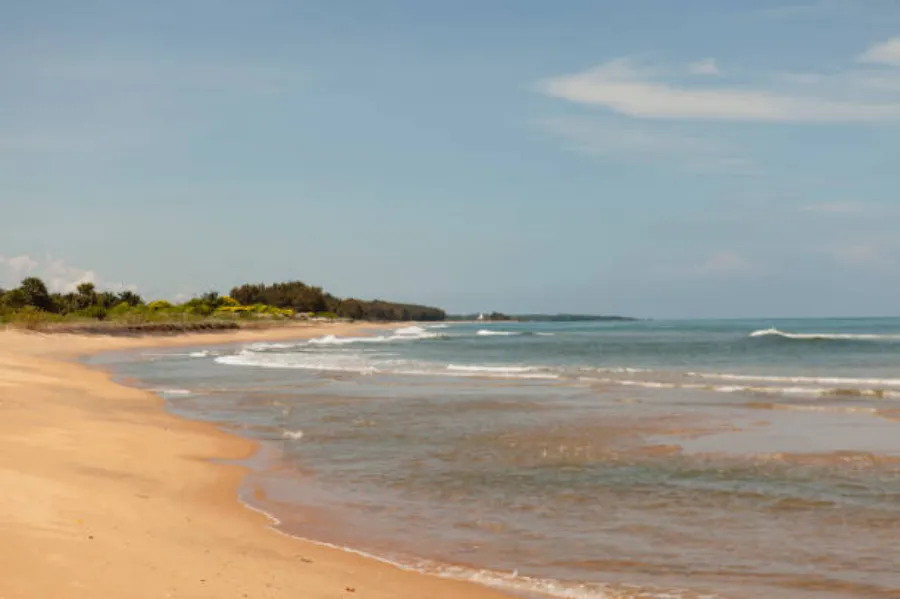
Karainagar is a small island connected to the Jaffna Peninsula by a causeway, and Casuarina Beach on its northern shore is consistently described by those who have found it as one of the most beautiful beaches in Sri Lanka. Shallow, calm, and crystal clear in the manner of the northern coast's shallow continental shelf, the beach takes its name from the casuarina trees that line the shore — their fine, needle-like foliage creating a distinctive silhouette against the sky.
The beach is popular with Jaffna locals on weekends, particularly with families, but during the week it is often nearly empty. The water is so shallow for so long that children can walk hundreds of metres from shore in waist-deep water — an unusually safe natural swimming pool.
Best time to visit: April through September. The north's dry season produces the clearest, calmest conditions. Avoid national and school holidays when the beach fills with local families.
How to Get There: From Jaffna town, cross the Karainagar causeway (approximately 25 km northwest) and follow the road to the beach. Tuk-tuks run from Jaffna to Karainagar; the journey takes about 45 minutes.
Nearby Stay: Jaffna's accommodation scene has improved significantly in recent years. The Jetwing Jaffna is the most comfortable established option in town. Tilko Jaffna City Hotel is a newer, well-regarded alternative. Both are approximately 30 minutes from Casuarina Beach.
19. Point Pedro Beach — Jaffna, Northern Province
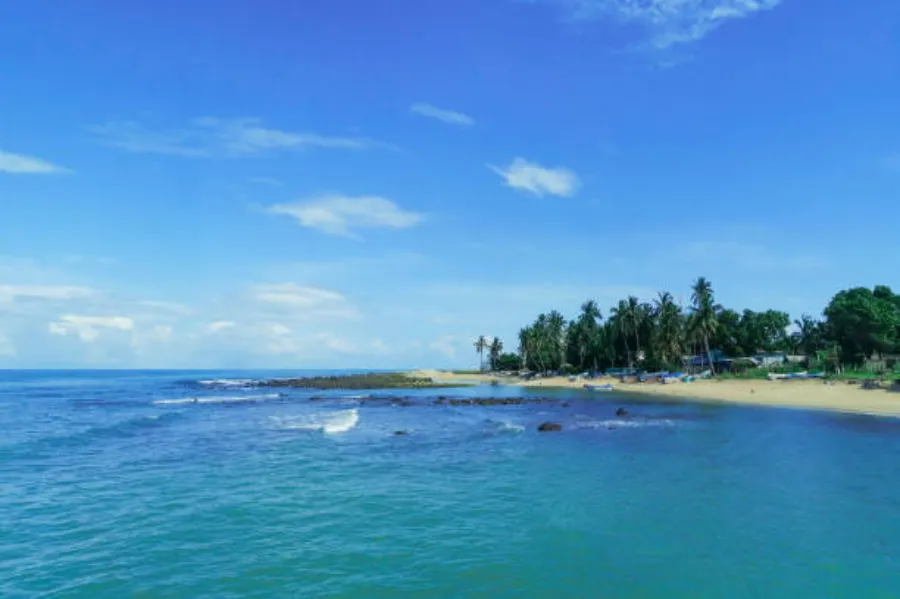
Point Pedro sits at the northernmost tip of Sri Lanka — the furthest north you can stand on the island before the Palk Strait takes over. The beach here is not the finest in the country by any conventional measure, but its position gives it a geographical significance that translates into a particular quality of light and atmosphere: you are at the very edge of the island, looking north toward India across extraordinarily shallow, pale blue water, with the sky enormous above you and the land ending definitively beneath your feet.
The town of Point Pedro has a fishing harbour that is worth walking through in the early morning when the day's catch arrives, and the Dutch Fort at the peninsula's tip — not the most elaborate of Sri Lanka's colonial fortifications but positioned dramatically on the point — adds historical context to the visit.
Best time to visit: April through August for the northern dry season.
How to Get There: From Jaffna town, drive north on the A9/B380 road approximately 35 km to Point Pedro. The town is the northernmost point of the island and clearly signed. Buses run from Jaffna to Point Pedro regularly.
Nearby Stay: The same Jaffna accommodations apply — Jetwing Jaffna and Tilko Jaffna City Hotel are both approximately 35 km south. Point Pedro has very limited accommodation of its own.
20. Mullikulam Beach — Mannar, Northern Province
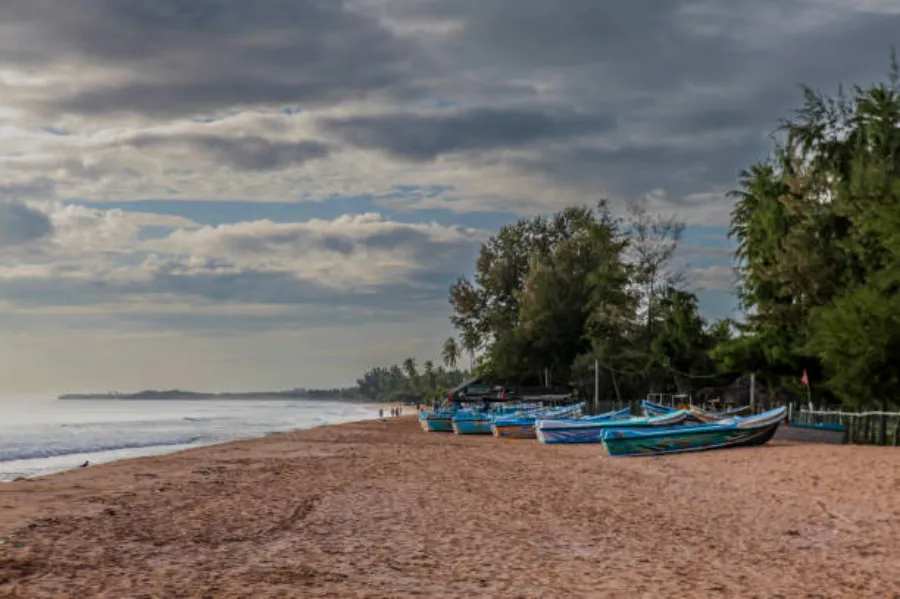
Mullikulam is a small fishing village on the northwestern coast between Mannar and Puttalam, and its beach is one of those places that simply hasn't made it onto any tourist itinerary yet — not because it lacks quality, but because the area lacks the infrastructure and the connectivity that get places onto lists. The beach is long, empty, and backed by palmyra palms and fishing community infrastructure rather than hotels and restaurants.
The community here, Tamil-speaking fishing families who have worked this coast for generations, has rebuilt after significant displacement during the civil conflict and is only beginning to see the occasional traveler pass through. Visiting with courtesy and awareness of that context matters.
Best time to visit: March through September for the northwestern coast's best conditions.
How to Get There: From Mannar, drive south on the coastal road approximately 25 km toward Puttalam. Mullikulam village is signed; local directions are helpful for finding the best beach access point.
Nearby Stay: Accommodation at Mullikulam itself is extremely limited. Mannar town is the best base, with several small guesthouses. For more comfort, Puttalam (approximately 80 km south) has a wider range of options.
21. Kalpitiya Beach — Puttalam District, Northwestern Province
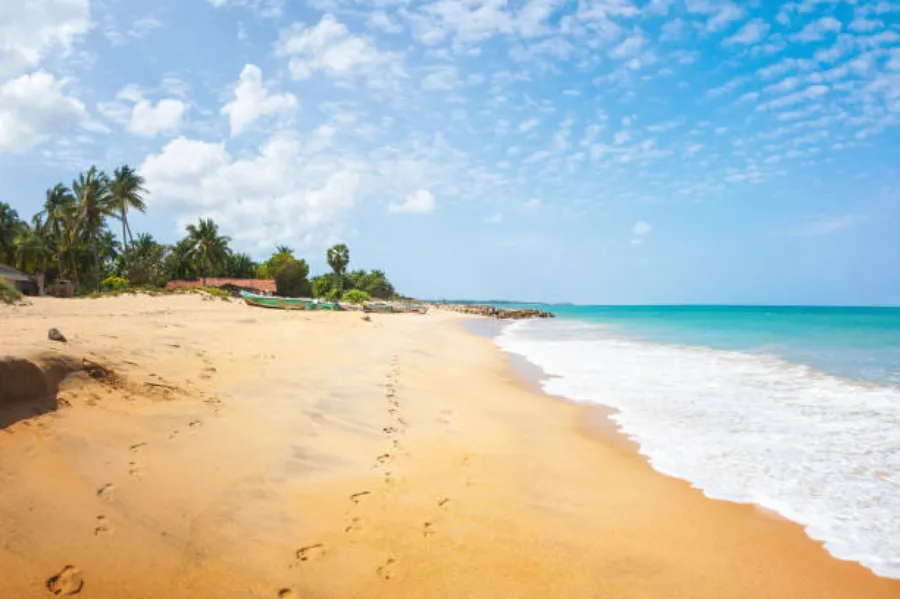
Kalpitiya is a long, narrow peninsula on the northwestern coast that is slowly, carefully developing a reputation for kite surfing — the seasonal winds that come off the Gulf of Mannar between May and October are among the most consistent in Asia — but the beaches along the peninsula's western shore are still far from crowded. Flat, open, and backed by scrubland and lagoon, they have a wild, end-of-the-world quality that is unlike the enclosed coves of the south coast.
Bar Reef Marine Sanctuary offshore is one of the largest coral reefs in South Asia and supports an extraordinary diversity of marine life — dolphins, whale sharks, and manta rays are regularly encountered, making Kalpitiya one of the best snorkeling and diving destinations in the country.
Best time to visit: May through October for kite surfing and diving. November through February for calmer conditions and whale watching in the surrounding waters.
How to Get There: From Colombo, drive north on the A3 and then west toward Kalpitiya — approximately 150 km, about 3 hours. Buses run from Colombo to Puttalam, from where tuk-tuks reach the peninsula. Several operators also run transfers from Colombo specifically for kite surfing and diving packages.
Nearby Stay: Kite Lagoon, a small resort on the lagoon side of the peninsula, is the established base for kite surfing and water sports, with equipment rental and instruction. Palagama Beach Resort is a newer boutique option on the ocean side with good reef access.
22. Dutch Bay — Kalpitiya, Northwestern Province
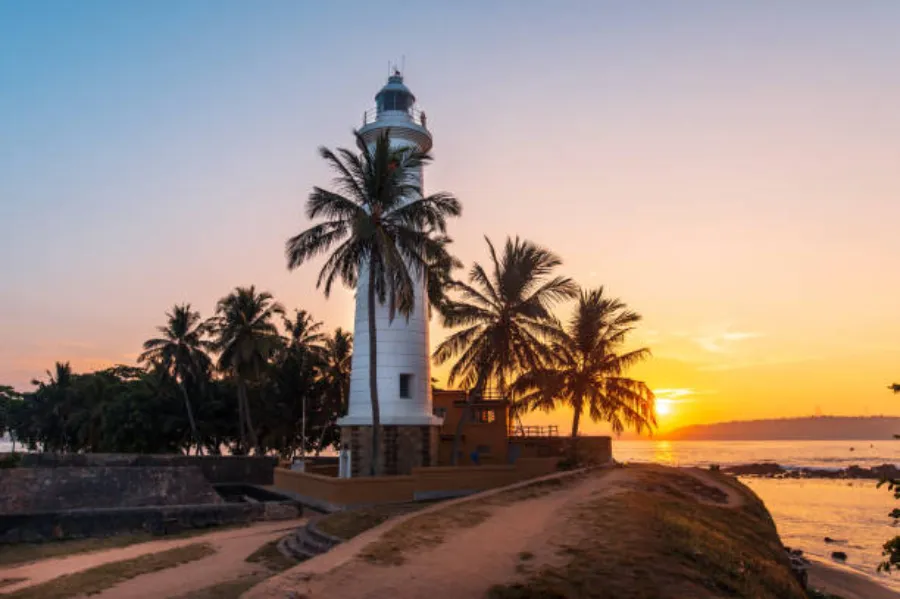
At the northern tip of the Kalpitiya Peninsula, where the land narrows to almost nothing between the Indian Ocean and the Puttalam Lagoon, Dutch Bay Beach curves into a sheltered cove that manages to feel completely secluded even though it is accessible by the peninsula road. The water here is calmer than the open western shore, protected by the configuration of the bay, and the combination of lagoon on one side and ocean on the other creates a landscape of unusual scale and emptiness.
In the early morning, spinner dolphins come into the bay. Their arrival is not guaranteed but is frequent enough that the operators at the northern end of the peninsula run dolphin-watching boat trips that are among the most reliable in the country.
Best time to visit: May through October for the clearest conditions and best dolphin activity. November through February is also good for whale watching in the surrounding waters.
How to Get There: Follow the Kalpitiya Peninsula road north to its end — approximately 25 km from the mainland causeway. Dutch Bay is clearly visible and signed near the northern tip. The road is sealed for most of its length.
Nearby Stay: Kite Lagoon and Palagama Beach Resort (see Kalpitiya entry above) are the closest quality accommodation options.
23. Marawila Beach — Northwestern Province
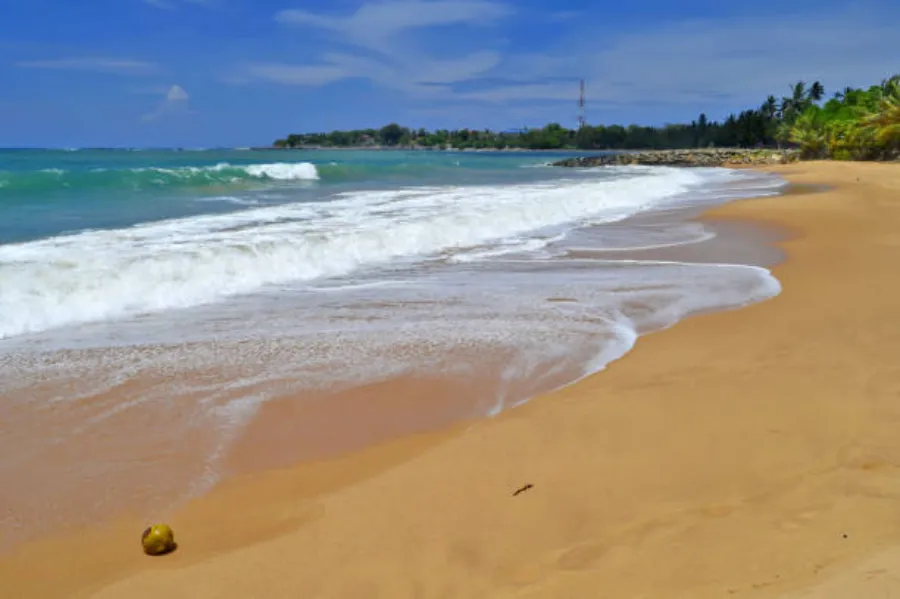
Marawila sits on the west coast between Colombo and Kalpitiya, in a stretch of coastline that is primarily rural and fishing-based. The beach is one of the longest uninterrupted stretches on the west coast — several kilometres of palm-backed sand with almost no tourist development — and its position, facing west across the Indian Ocean, delivers west coast sunsets that are on par with anything in the south.
The beach is most beautiful in the early morning and late afternoon, when fishing activity frames the scenery and the light is soft. Swimming is not recommended between May and October when the southwest monsoon makes the west coast rough, but the beach itself is walkable and beautiful in any season.
Best time to visit: November through April for the west coast calm season. Sunsets here between December and March are excellent.
How to Get There: From Colombo, drive north on the A3 coastal road approximately 65 km to Marawila. The beach is accessible at several points along the village roads that run west from the main road. Total drive time from Colombo is about 1.5 hours.
Nearby Stay: Goldi Sands Hotel is a long-established beachfront property in Marawila with direct beach access. Club Palm Bay is a resort-style option on the beach with full facilities, suited to those wanting more amenities than the area's smaller guesthouses provide.
24. Bentota South Beach — Southern Province
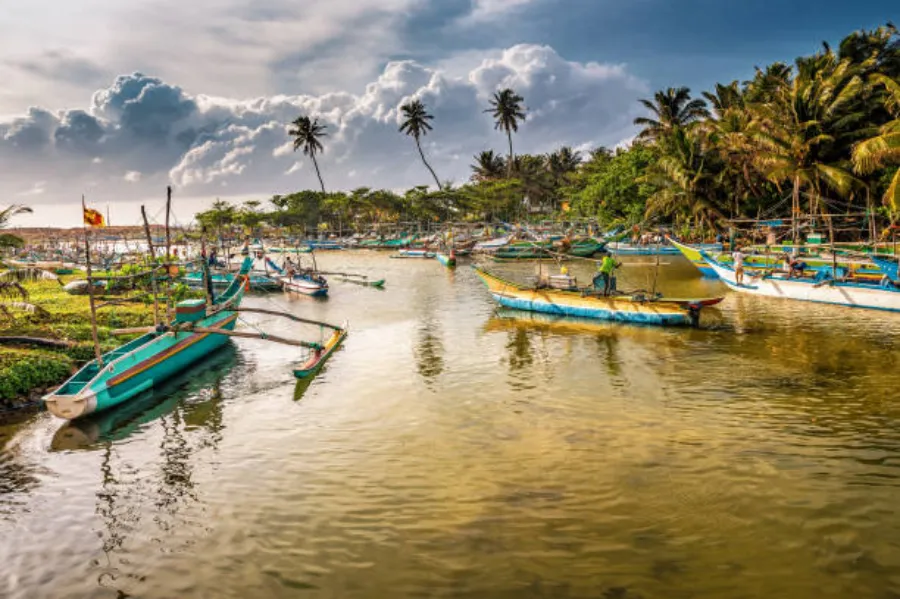
The main Bentota Beach — the wide, pale stretch of sand between the Bentota River mouth and the open coast — is well-known on the package tourism circuit, with a line of resort hotels occupying its prime waterfront. But south of the river mouth, past the boat jetties and the tourist infrastructure, the beach continues for several kilometres in a state of considerably greater peace. The sand quality here is actually better — finer and less used — and the views back toward the river mouth and the lagoon are genuinely picturesque.
The Bentota River itself is worth a half-day's exploration by boat — a network of mangrove-lined channels inhabited by monitor lizards, kingfishers, and estuarine crocodiles that can be explored on guided tours organized from the beach.
Best time to visit: November through April for the west coast season. The beach is lovely in the early morning throughout the year.
How to Get There: From Bentota town (accessible by train from Colombo — approximately 1.5 hours), cross the river by boat or take the road bridge south. The quieter southern beach is approximately 2 km from the main hotel area on the northern bank.
Nearby Stay: Saman Villas is a cliff-top boutique hotel south of Bentota with some of the most dramatic ocean views on the west coast. For a more accessible price point, Club Bentota offers reliable resort accommodation on the beach.
25. Induruwa Beach — Southern Province
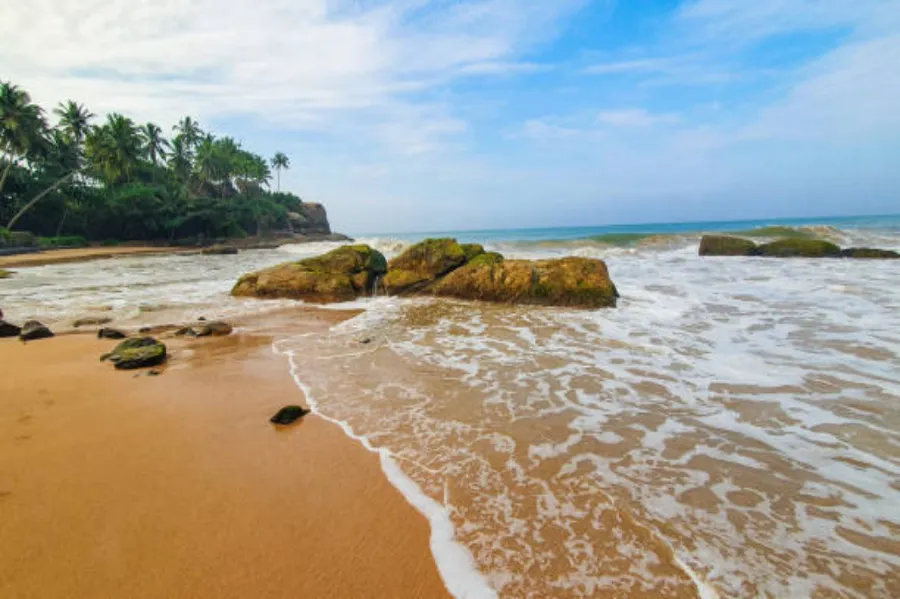
Between Bentota and Kosgoda, the coast road runs close enough to the shore that the Indian Ocean is visible through the coconut palms for several kilometres. Induruwa sits in the middle of this stretch — a wide, beautiful beach with gentle waves and almost no tourist development, sandwiched between the more visited resorts to its north and south. The beach is known locally for sea turtle nesting (the Kosgoda Turtle Hatchery just north is one of Sri Lanka's longest-running conservation operations), and green and leatherback turtles nest on this stretch of sand between October and April.
Early morning walks on Induruwa beach — before the sun is fully up, before the heat of the day arrives — are among the finest low-key beach experiences on the west coast. The chance of encountering turtle tracks in the sand, or occasionally a turtle returning to the sea, is real.
Best time to visit: November through April for calm seas and turtle nesting season. October through February for the highest turtle activity.
How to Get There: From Colombo, take the coastal train to Induruwa station (approximately 2 hours) or drive south on the A2. The beach is directly accessible from the station — cross the tracks and walk to the shore. Several access paths run from the main road to the beach.
Nearby Stay: Club Induruwa Beach Resort is a modest, friendly beachfront property directly on the beach. For more comfort, Ekho Surf (a few kilometres south toward Ahungalla) offers well-designed boutique rooms with excellent beach access.
26. Ahungalla Beach — Southern Province
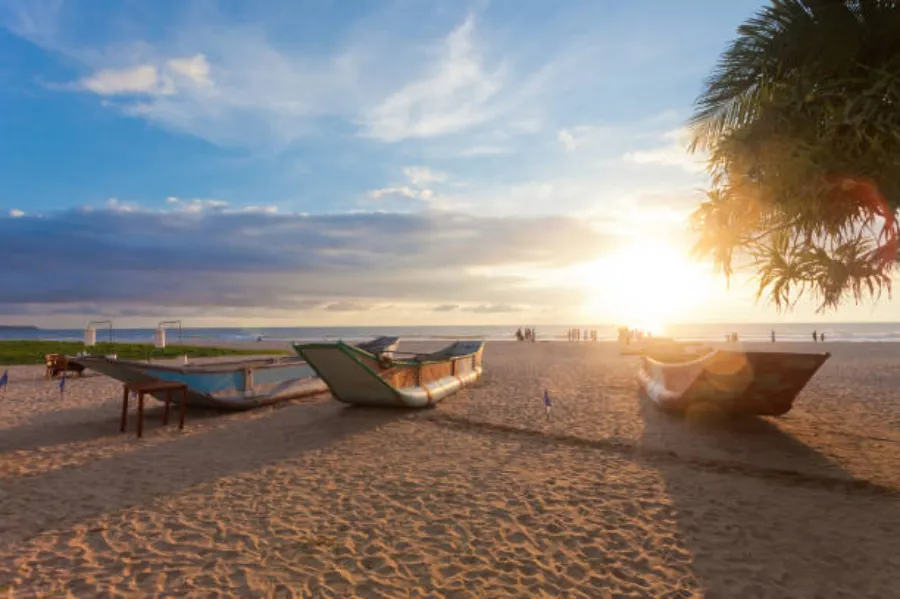
Ahungalla is one of those west coast beaches that has a single large hotel at one end — the Heritance Ahungalla, a Geoffrey Bawa-designed landmark of Sri Lankan architecture — and then several kilometres of largely empty beach running south of it, accessible via the village roads that cross the railway line. The Bawa hotel itself, for architecture enthusiasts, is worth visiting even if you're not staying: it is one of the finest examples of Sri Lanka's tropical modernist tradition, a building that manages to be simultaneously imposing and perfectly integrated into its surroundings.
The beach south of the hotel is wide, sandy, and almost completely undeveloped — a long walk on a good west coast beach with nothing but coconut palms, fishing boats, and the Indian Ocean for company.
Best time to visit: November through April. The beach is most beautiful in the early morning throughout the year.
How to Get There: From Colombo, the coastal train to Ahungalla takes approximately 1.5 hours. By road, Ahungalla is approximately 85 km south of Colombo on the A2. The village roads to the beach run west from the main road.
Nearby Stay: Heritance Ahungalla is worth every rupee if the budget allows — a genuinely exceptional property and a piece of Sri Lankan architectural history. For more modest options, several small guesthouses in Ahungalla village offer basic but comfortable accommodation.
27. Tangalle Lagoon Beach — Southern Province
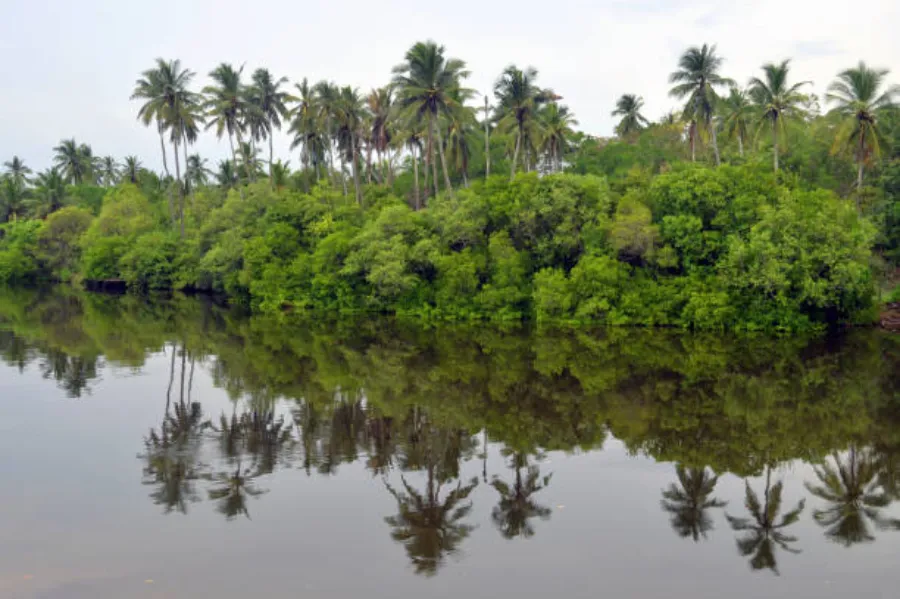
Tangalle's fishing lagoon — one of the largest natural lagoons on the south coast — opens to the sea through a channel on its eastern side, and the sand spit that forms the southern boundary of this opening is one of Tangalle's quietest and most beautiful beach spots. The beach here looks inward over the lagoon on one side and outward over the open Indian Ocean on the other — the same Coconut Point geography described earlier, but approached from the eastern end and with a different character.
Flamingos and painted storks work the lagoon shallows in the early morning. The fishing fleet passes through the channel at dawn. The combination of wildlife, light, and complete absence of commercial infrastructure makes this one of the more meditative beach spots on the south coast.
Best time to visit: November through April. Early mornings throughout the season for wildlife and light.
How to Get There: From Tangalle town, follow the road east past the fishing harbour and continue along the lagoon edge for approximately 3 km. The sand spit is accessible on foot from the road's end. Tuk-tuks from Tangalle drop you at the end of the road.
Nearby Stay: Amanwella and Buckingham Place remain the quality options in the Tangalle area. Ganesh Garden Beach Guesthouse in Tangalle town offers a well-regarded budget alternative.
28. Hikkaduwa North Beach — Southern Province
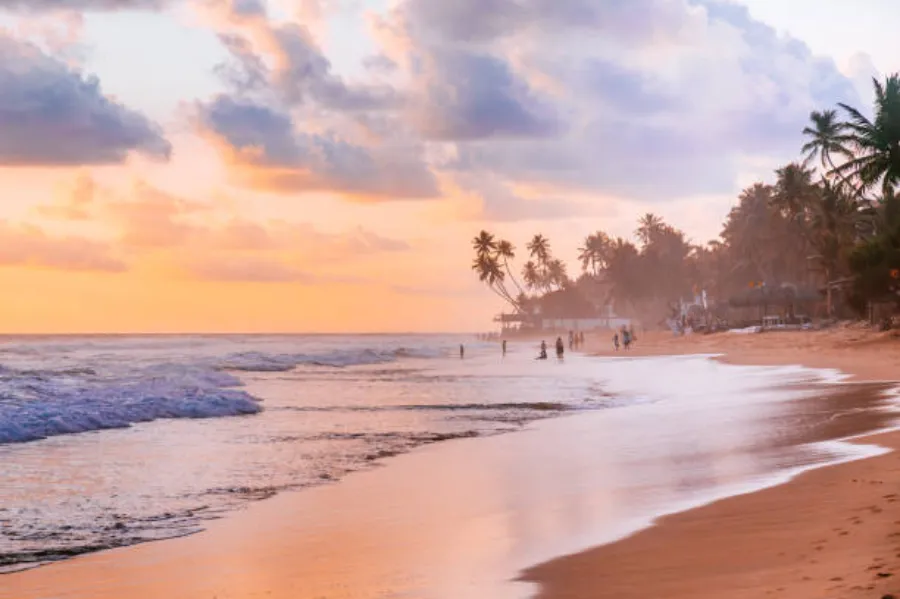
Hikkaduwa's main beach — the stretch in front of the town's hotels, restaurants, and glass-bottomed boat operations — is one of the south coast's busiest. But walk north from the main beach, past the coral sanctuary, and the beach broadens and quiets considerably. The northern section, beyond the tourist core, is where local families come on weekends and where the fishing community's outriggers are pulled up above the tide line.
The reef offshore at Hikkaduwa, despite decades of tourism pressure, still has sections of genuine ecological interest — particularly the coral sanctuary area where feeding the fish is prohibited and the coral has recovered noticeably. Snorkeling here in the early morning, before the glass-bottomed boats start their rounds, is a very different experience from the afternoon.
Best time to visit: November through April. December through February for the clearest water and best snorkeling conditions. Early mornings throughout the season.
How to Get There: Hikkaduwa is one of the most accessible beach towns on the south coast — direct trains from Colombo take approximately 2 hours, and it is clearly signed on the A2 coastal road. The northern beach section is a 15-minute walk from the main town area.
Nearby Stay: Citrus Hikkaduwa is a well-designed boutique property on the quieter northern beach section. For the full local experience, the small guesthouses on the beach road north of town offer simple rooms with direct sand access at very reasonable prices.
29. Mirissa East Beach — Southern Province
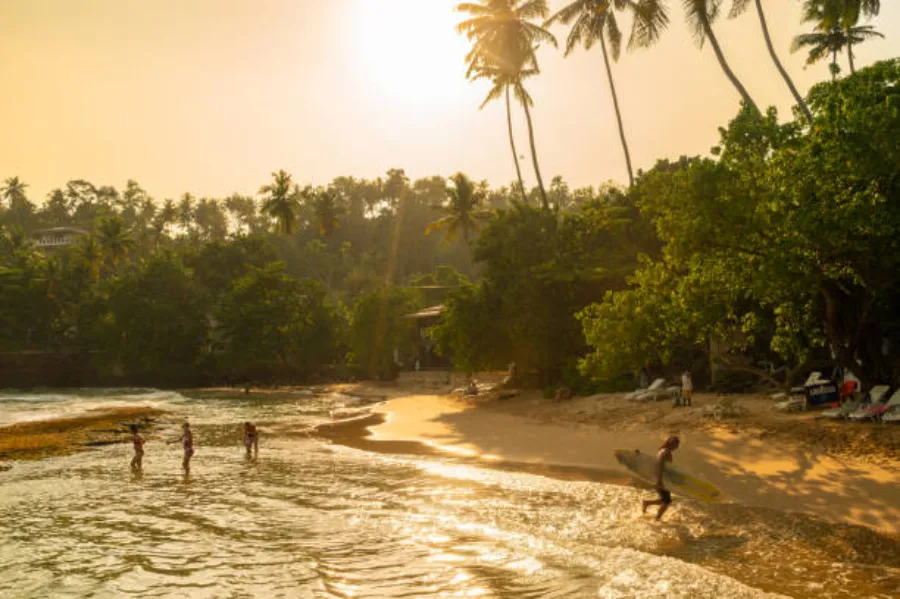
Mirissa's main beach — the bay, the cafes, Parrot Rock, the whale watching boats — is deservedly popular. But east of the main beach, past the harbour and around the headland, lies a longer, quieter stretch of sand that locals use and most tourists never find. The road to it involves navigating the working harbour and asking directions in the village — small obstacles that reliably filter out those who aren't genuinely curious.
The east beach at Mirissa is wider than the main bay, less protected (the swells here are bigger), and backed by coconut palms rather than cafes. It's a different, more raw kind of beauty — the kind that hasn't been arranged for photography.
Best time to visit: November through April. The east beach has more wave action than the protected main bay, which makes it good for swimming in moderate swell but requires judgement in bigger conditions.
How to Get There: From Mirissa's main beach, walk east past the fishing harbour and follow the coast road around the headland. The east beach is approximately 10 minutes on foot from the main bay. Ask fishermen at the harbour for directions.
Nearby Stay: Mandara Resort and Weligama Bay Marriott Resort & Spa (in neighbouring Weligama) are both accessible from Mirissa's eastern section. Several small guesthouses operate within the Mirissa village itself.
30. Dickwella Beach — Southern Province
Dickwella is a small town on the A2 between Matara and Tangalle that most travelers drive through without stopping. This is a mistake. The beach west of the town — accessed via a road past the Wewurukannala Vihara, one of Sri Lanka's most extraordinary temples — is a long, wide stretch of sand backed by fishing community infrastructure and virtually nothing else. No resorts, no beach bars. Just the beach, the Indian Ocean arriving in long, unbroken swells, and the occasional fishing boat launching into the surf.
The temple itself — home to a 50-metre seated Buddha, the largest in Sri Lanka — is worth at least an hour regardless of your interest in the beach. The combination of the temple visit and the empty beach beyond it makes for one of the more memorable half-days on the south coast.
Best time to visit: November through April. The beach is at its most beautiful in the early morning when the fishing fleet is active.
How to Get There: From Matara, drive east on the A2 for approximately 20 km to Dickwella town. Turn south at the Wewurukannala Vihara signs and continue to the coast. The beach is accessible at several points below the coastal road.
Nearby Stay: Hiriketiya (covered earlier in this guide) is just a few kilometres further east and offers the best accommodation in this stretch — Dots Bay House and Dune by Hiriketiya are both excellent. For something in Dickwella itself, Barberyn Reef Ayurveda Resort is a long-established wellness property on the coast with a strong reputation.
Planning Your Sri Lanka Beach Journey
Sri Lanka's coastline rewards patience and flexibility more than most. The beaches on this list range from a short walk off the main road to a 4WD expedition through a national park — the reward scales accordingly. Some general principles for getting the most from Sri Lanka's hidden shores:
Follow the monsoons, not the calendar. The single most common mistake is trying to visit the east coast in December (when it's being battered by the northeast monsoon) or the south coast in July (ditto for the southwest monsoon). Plan your route to be on the right coast at the right time.
Travel early. The difference between a Sri Lankan beach at 7am and at 10am — in terms of light, temperature, crowd levels, and fishing activity — is considerable. The best beaches on this list are at their finest in the first hours after sunrise.
Take the train when you can. The Colombo to Galle coastal line, and the hill country line from Colombo through Kandy to Badulla, are two of the great train journeys in Asia and the most pleasant way to move between the south coast and the highlands. Book reserved seats in advance through Sri Lanka Railways.
Learn a few words of Sinhala or Tamil. On the quieter beaches in this list — particularly in the north and east — English is limited. Even a basic greeting in the local language transforms how you are received.
The island's hidden beaches are not hard to find if you are willing to turn off the main road and follow your curiosity a little further than the obvious destination. Most of the finest places on this list were discovered by accident — by travellers who missed a turn, walked past the busy beach to the quiet one beyond it, or simply asked a tuk-tuk driver to take them somewhere he thought was beautiful.
Sri Lanka
Latest Blogs
30 Hidden Beaches in Sri Lanka
13 Best Sunset Points in Sri Lanka (2026 Guide)
25 Photos That Will Make You Want to Visit Sri Lanka Right Now
7 Underrated Weekend Getaways Near Colombo
10 Budget-Friendly Cities in Sri Lanka
30 Hidden Beaches in the USA
13 Best Sunset Points in the USA (2026 Guide)

Hostel vs Hotel vs Airbnb in USA: What Is Really Cheaper in 2026?

25 Photos That Will Make You Want to Visit the USA Right Now
7 Underrated Weekend Getaways Near Chicago
10 Budget-Friendly Cities in the USA You Can Visit This Year
7 Days in Sri Lanka: The Ultimate Itinerary (2026 Guide)
7 Days in Switzerland: The Ultimate Itinerary (2026 Guide)

7 Days in UAE: The Ultimate Itinerary (2026 Guide)
7 Days in Germany: The Ultimate Itinerary (2026 Guide)

7 Days in Hong Kong: The Ultimate Itinerary (2026 Guide)
Sri Lanka for First-Time Visitors: Complete Travel Guide 2026
Why Italy Is the Ultimate European Vacation for Americans
Best Beaches in India
Best National Parks in Sri Lanka for Wildlife & Safaris

Best Places to Visit in Sri Lanka

Explore India’s Tropical Escapes: Goa, Kerala & Andaman
Visit India’s Iconic Landmarks: Taj Mahal & More
7 Best Summer Travel Destinations in India
Small Italian Towns That Make You Fall in Love With Italy
Experiencing Maori Culture as a Respectful Traveler
Traveling Spain by Train vs Renting a Car
Eating in Italy: Lessons About Food, Time & Culture
Small Towns in New Zealand: A Unique Travel Experience
Exploring Southern Spain’s White Villages: Travel Guide
Traveling Italy Slowly: Fewer Cities, Better Experiences
Driving New Zealand’s Scenic Roads Without Rushing the Trip

Living on Spanish Time: How Slow Days Change Travel

Italy Beyond Rome & Venice: Cities That Truly Surprised Me
New Zealand Without Adrenaline: A Calm Way to Explore
Spain Beyond Barcelona & Madrid: Cities That Feel Authentic
Winter Travel in Finland Without Extreme Adventure
Photographing Iceland Without a Drone or Expensive Gear
A Slow Travel Journey Through Norway’s Small Coastal Villages
Experiencing Sauna Culture in Finland as a Traveler
Driving Iceland’s Ring Road: What No One Tells You Before You Go

What It’s Really Like Traveling Above the Arctic Circle in Norway
Why Finland Feels Like the Most Peaceful Country to Travel In
Iceland Is Not Just About Waterfalls: Experiences That Surprised Me
Norway Beyond the Fjords: Unexpected Experiences Most Travelers Miss
Best Nightlife Experiences in the USA (Clubs, Bars & Rooftops)
Best Beach Destinations in the USA for Relaxation & Water Activities

Top USA Cities to Celebrate New Year’s Eve

Best Festivals & Events in the USA Worth Traveling For
Best Weekend Getaways in the USA
Hidden Gems in the USA Most Tourists Miss

Best Cities to Visit in the USA for Tourists
Top National Parks in the USA You Should Visit Once in Your Life

Best Budget Travel Destinations in the USA

Best Time to Visit the USA: Month-by-Month Travel Guide
Top USA Road Trip Routes You Must Experience

Best Places to Visit in the USA for First-Time Travelers

Roast Duck A Juicy and Flavorful American Classic
Creamy Chicken A Rich and Comforting American Classic

Bacon Meatballs A Flavor-Packed American Comfort Favorite
Honey Mustard Chicken A Sweet and Savory American Favorite

Pork Tenderloin A Lean and Flavorful American Classic

Tacho Macau’s Hearty Portuguese-Inspired Comfort Dish
Malaysian Satay A Smoky Street Food Classic Loved Worldwide

Dutch Cheese Gouda and Edam, The Pride of the Netherlands
African Chicken Macau’s Bold Fusion Dish with Portuguese Roots
Laksa Malaysia’s Iconic Noodle Soup Bursting with Flavor

Poffertjes The Fluffy Dutch Mini Pancakes Loved by All
Macanese Pork Chop Bun Macau’s Iconic Street Food Sandwich
Roti Canai Malaysia’s Beloved Flaky Flatbread
Haring The Iconic Dutch Raw Herring Tradition

Minchi Macau’s Comforting Minced Meat Classic with Portuguese Influence
Char Kway Teow: Malaysia’s Smoky Stir-Fried Noodle Street Food Classic
Bitterballen: The Ultimate Dutch Comfort Snack

Portuguese Egg Tart Macau’s Iconic Custard Pastry with a Golden Legacy
Nasi Lemak Malaysia’s Beloved National Dish of Comfort and Flavor
Stroopwafels The Iconic Dutch Caramel Waffle Treat
Breadfruit and Fish A Classic Seychellois Coastal Comfort Dish

Brunost Norway’s Sweet and Savory Brown Cheese Tradition

New Zealand Meat Pies: The Ultimate Kiwi Comfort Food
Ladob Seychelles’ Sweet and Comforting Coconut Dessert

Kjottkaker Norway’s Classic Homemade Meatball Tradition
Fish and Chips New Zealand’s Iconic Coastal Comfort Food
Shark Chutney A Traditional Seychellois Seafood Delight
Lutefisk A Classic Norwegian Holiday Dish
Lamb The Quintessential New Zealand Culinary Delight
Octopus Curry A Flavorful Seychellois Seafood Classic
Rakfisk Norway’s Bold and Traditional Fermented Fish Delicacy
Pavlova New Zealand’s Light and Elegant Dessert Icon
Grilled Fish A Taste of the Seychelles Ocean
Farikal Norway’s Timeless Lamb and Cabbage Stew
Hangi The Ancient Earth-Cooked Feast of New Zealand Hangi
Hoppers (Appa) Sri Lanka’s Crispy Coconut Pancake Delight
Kottu Roti
String Hoppers (Idiyappam)
Pol Sambol
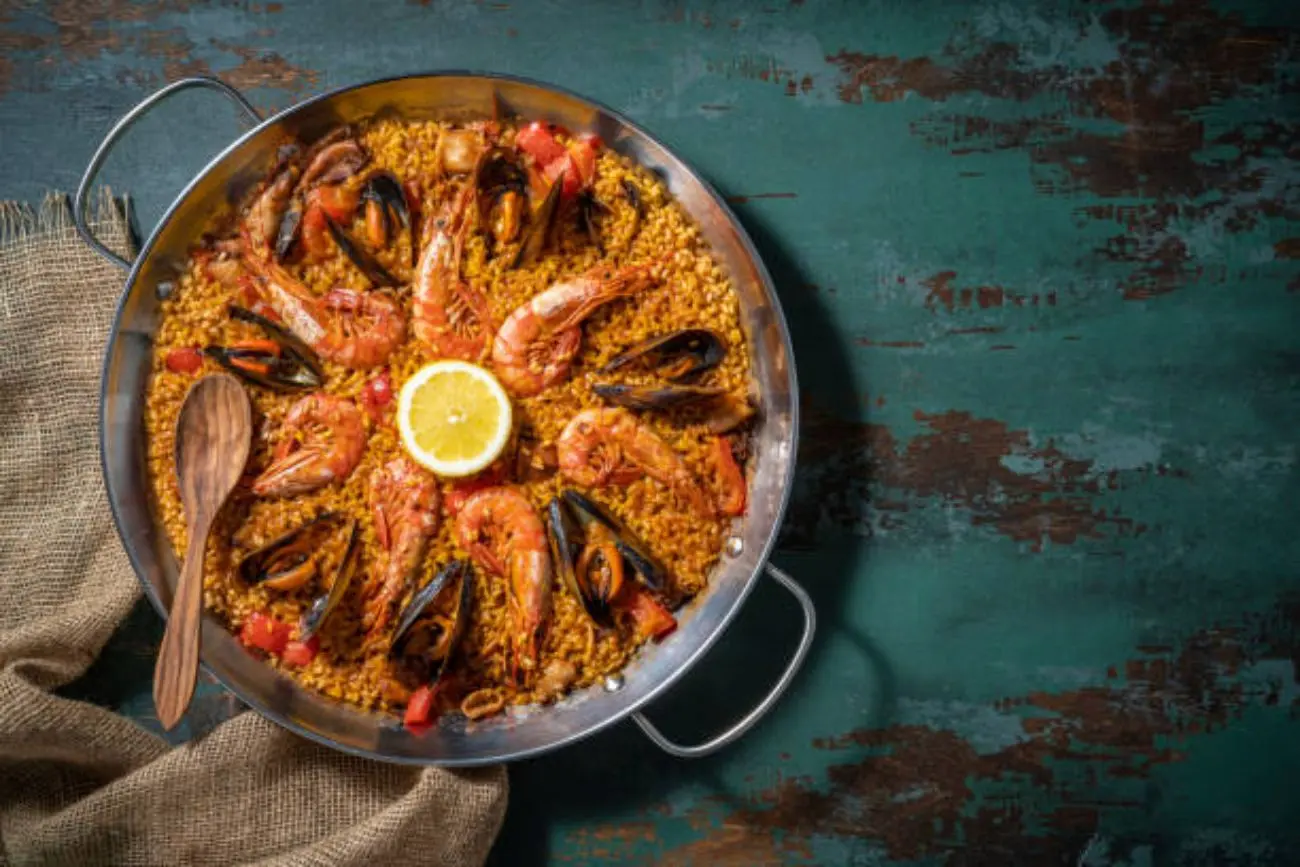
Paella
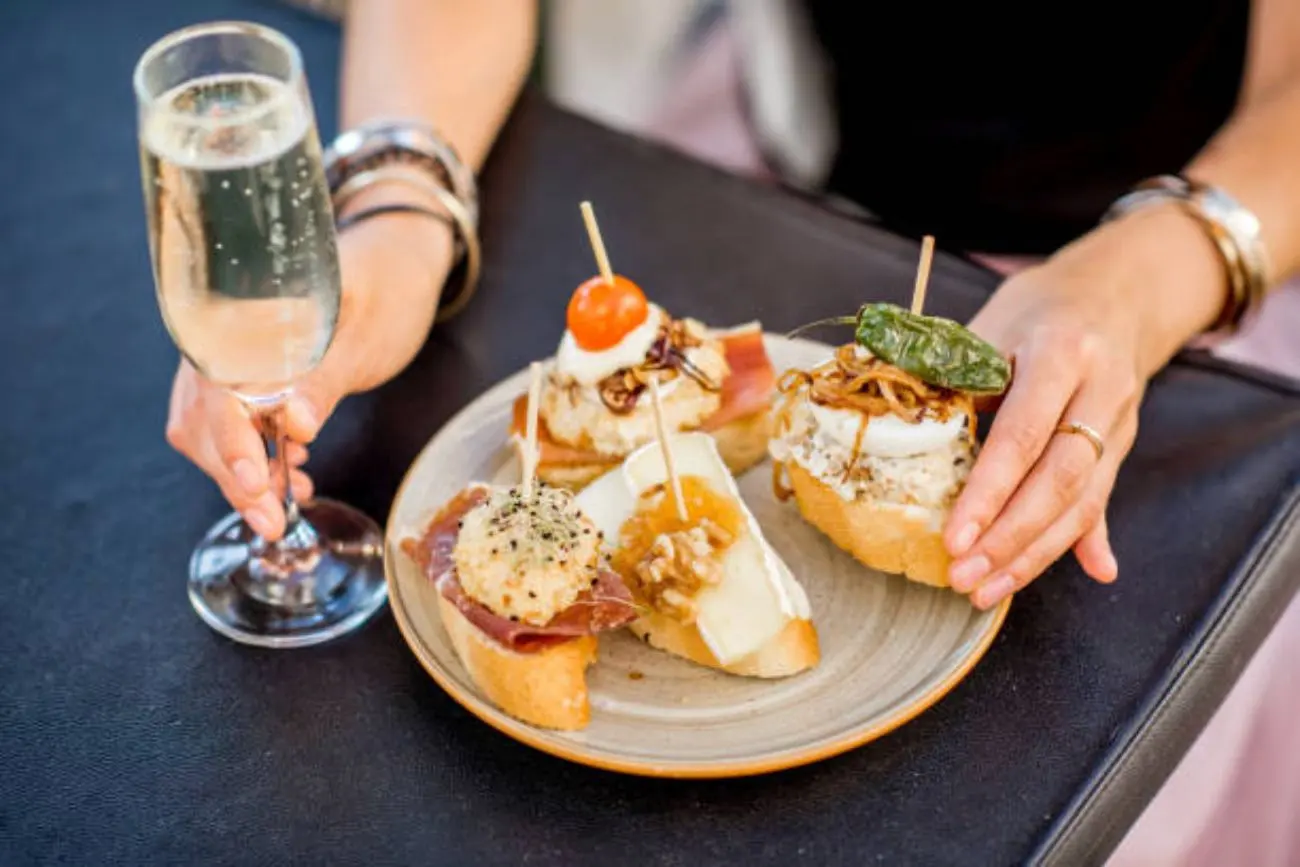
Tapas
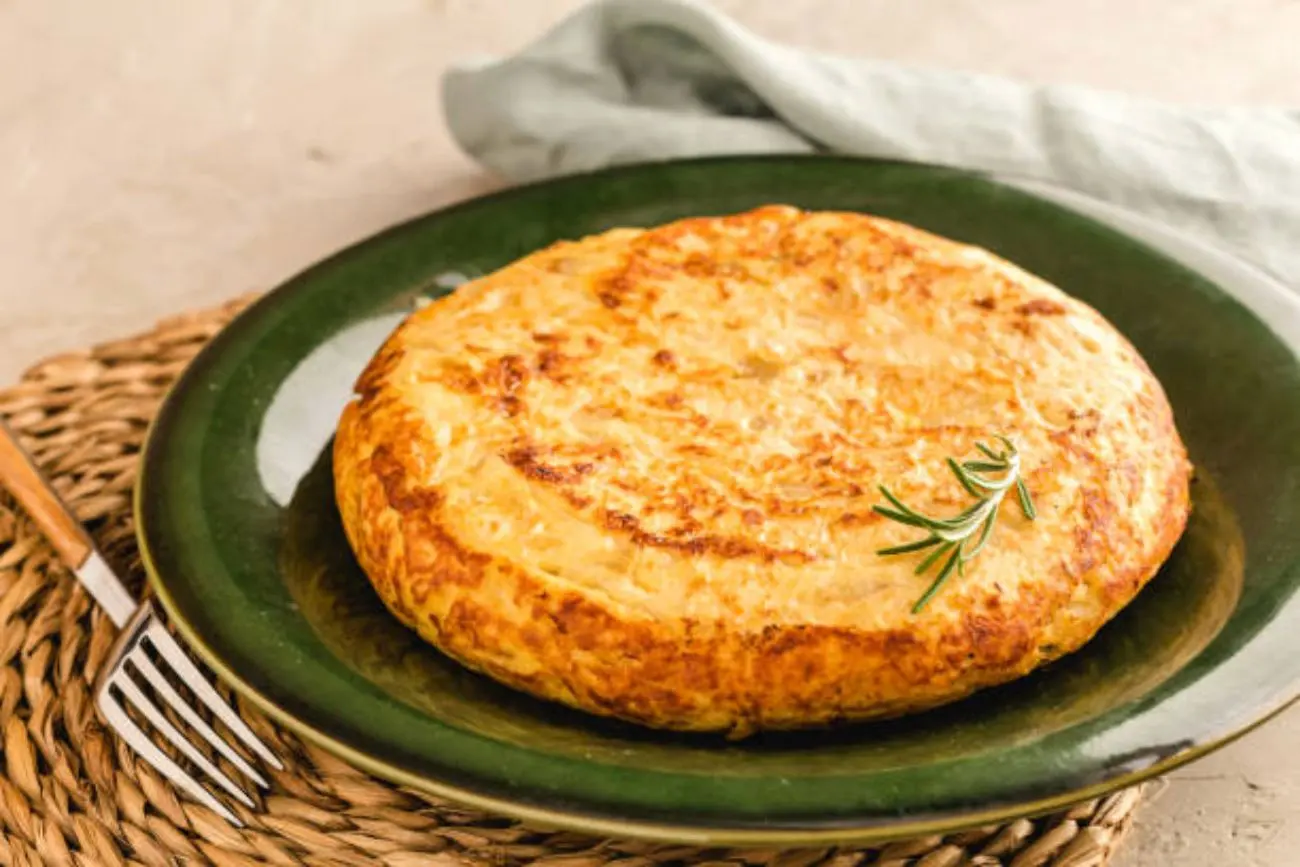
Tortilla Española

Churros
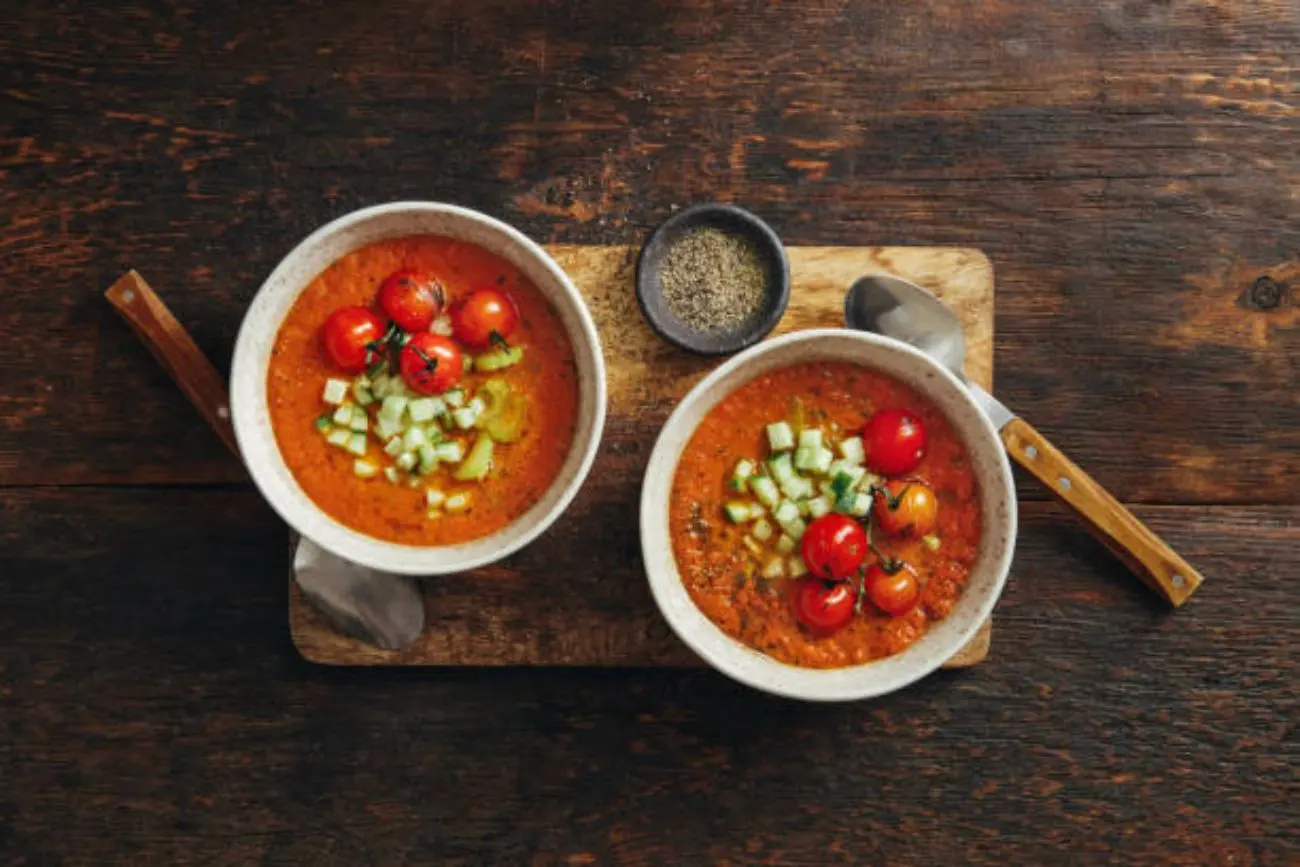
Gazpacho
Rice and Curry
Alplermagronen
Swiss Chocolate

Rösti
Raclette
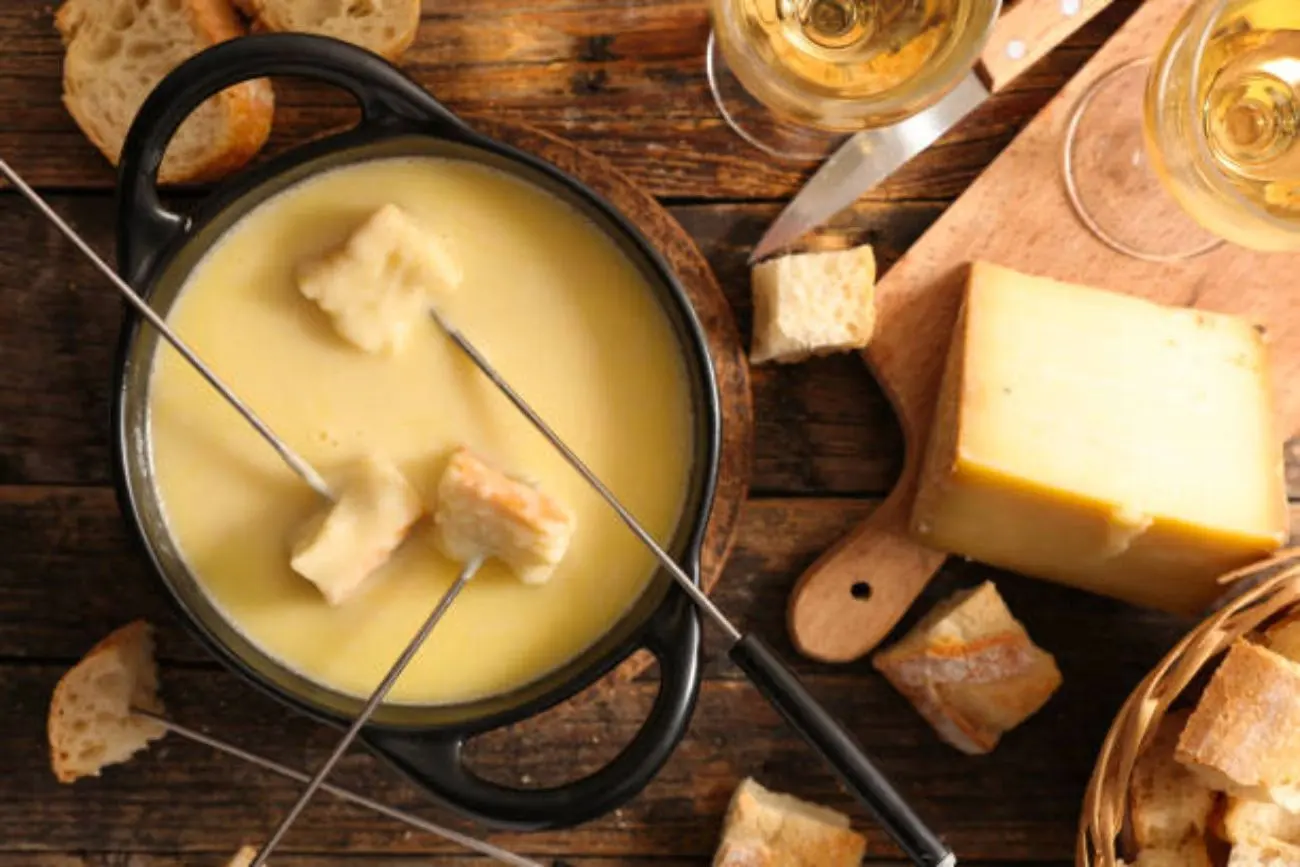
Cheese Fondue
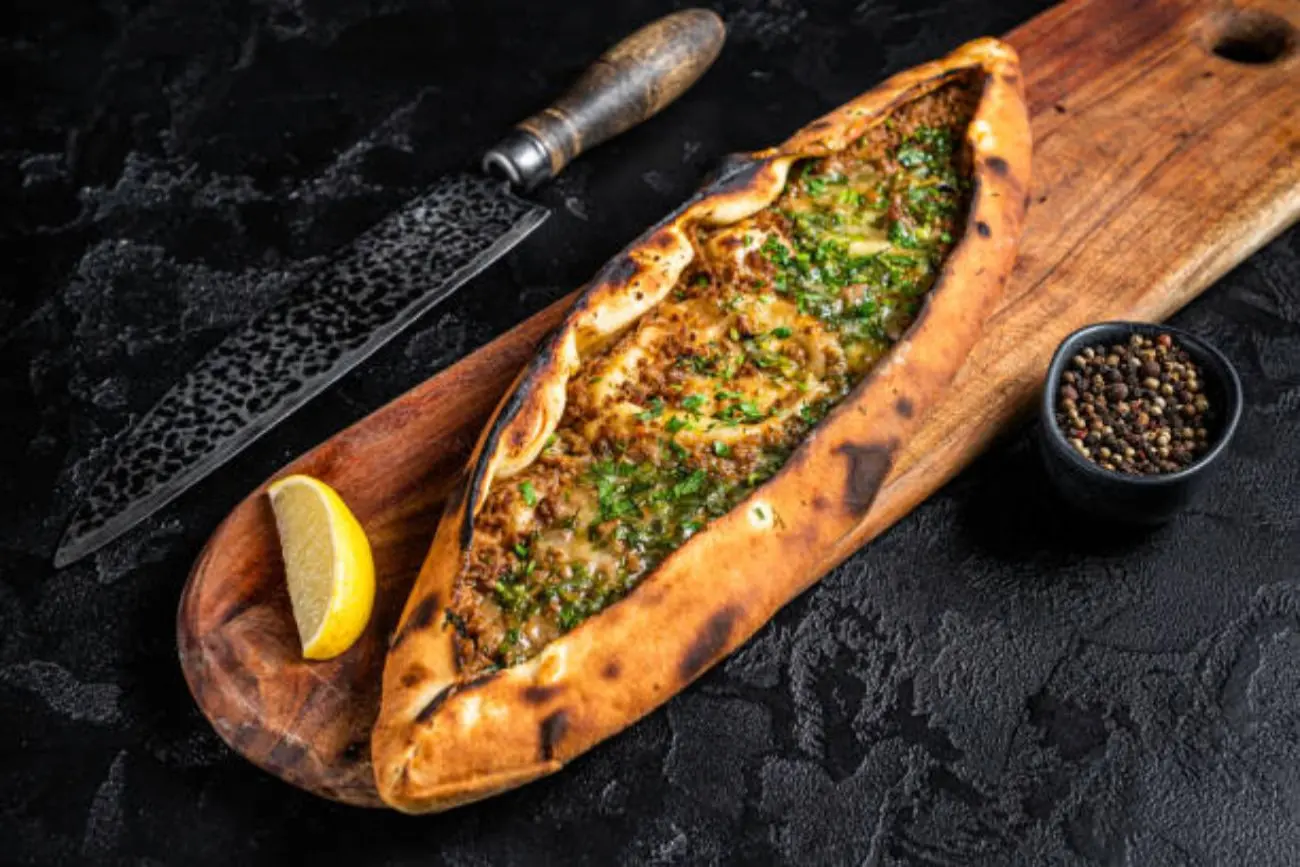
Pide
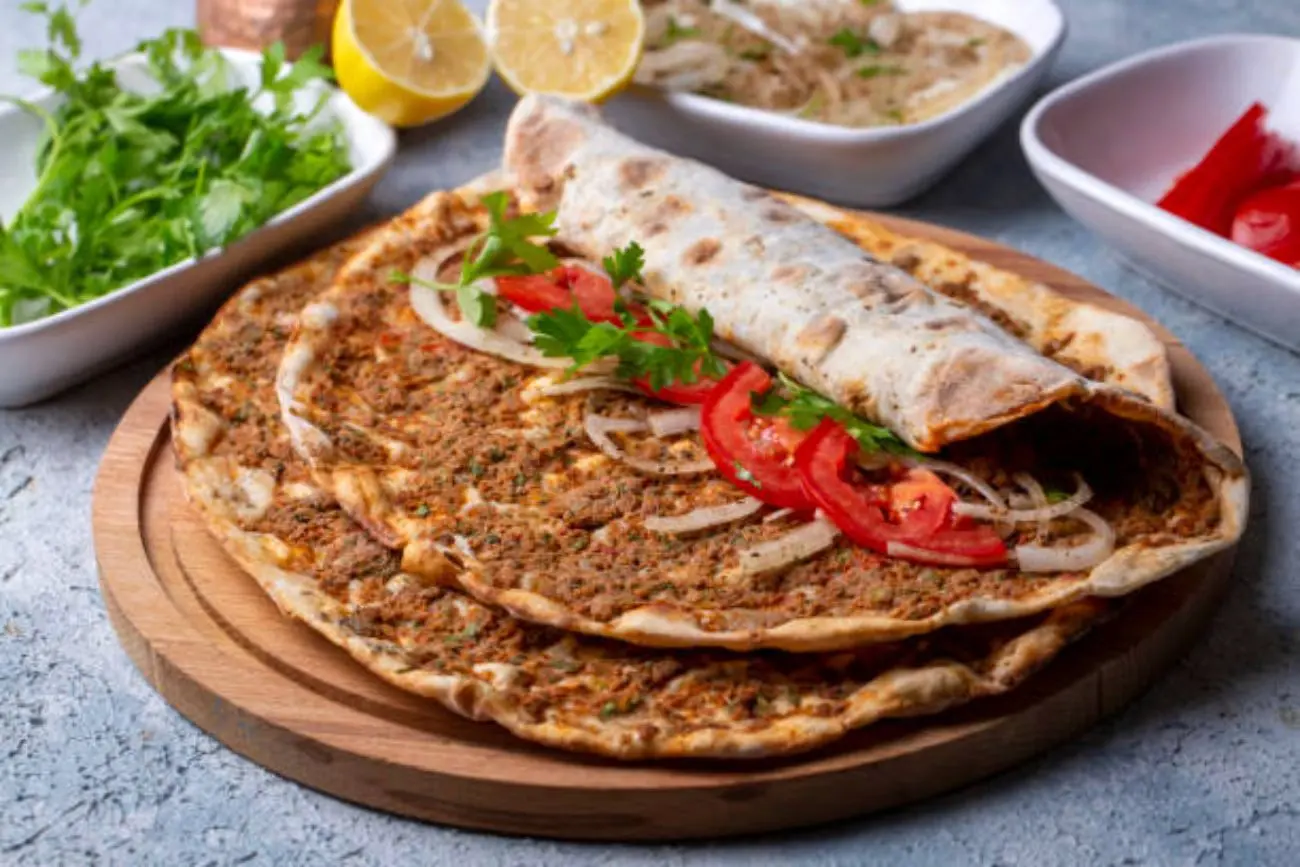
Lahmacun
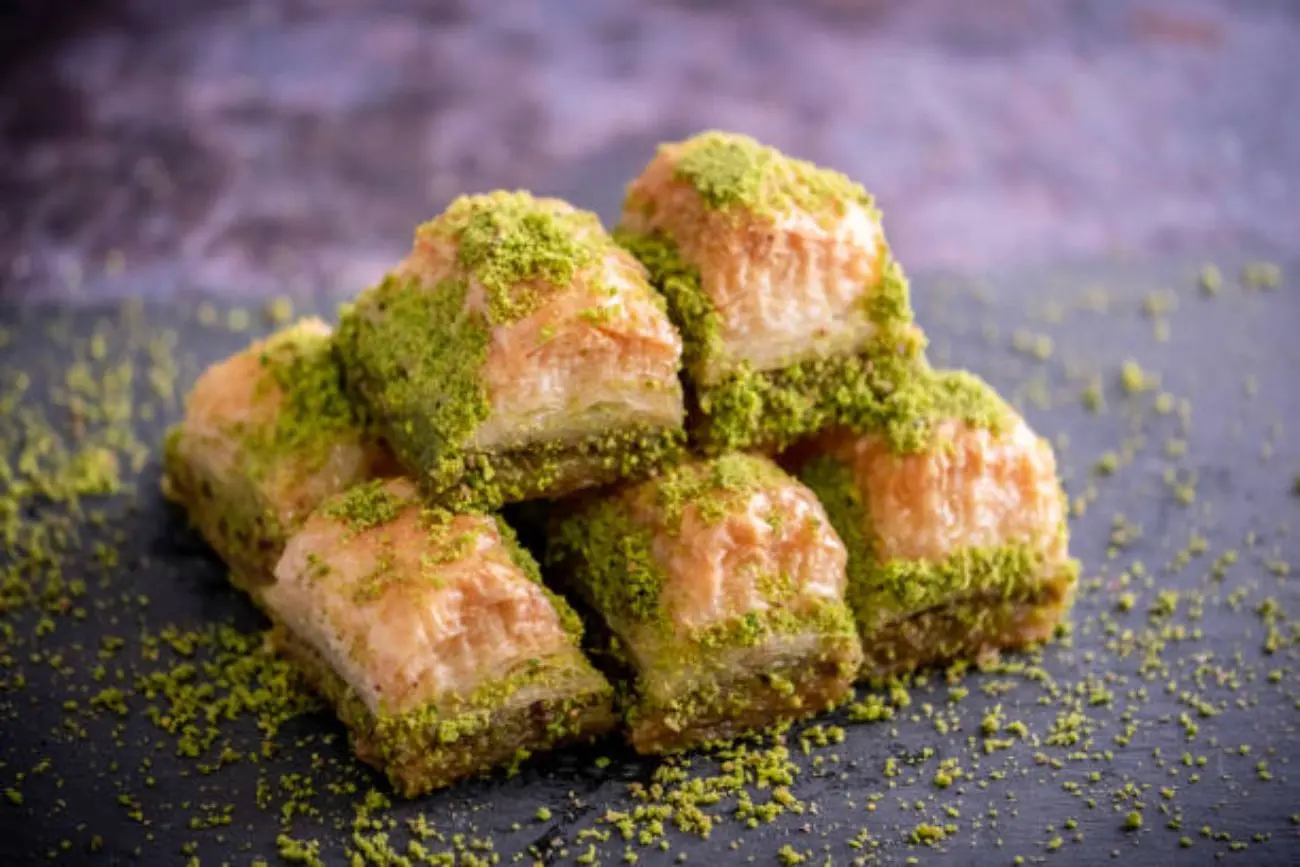
Baklava
Döner
Kebab
Khubz
Luqaimat
Shawarma
Al Harees
Machboos
Satay
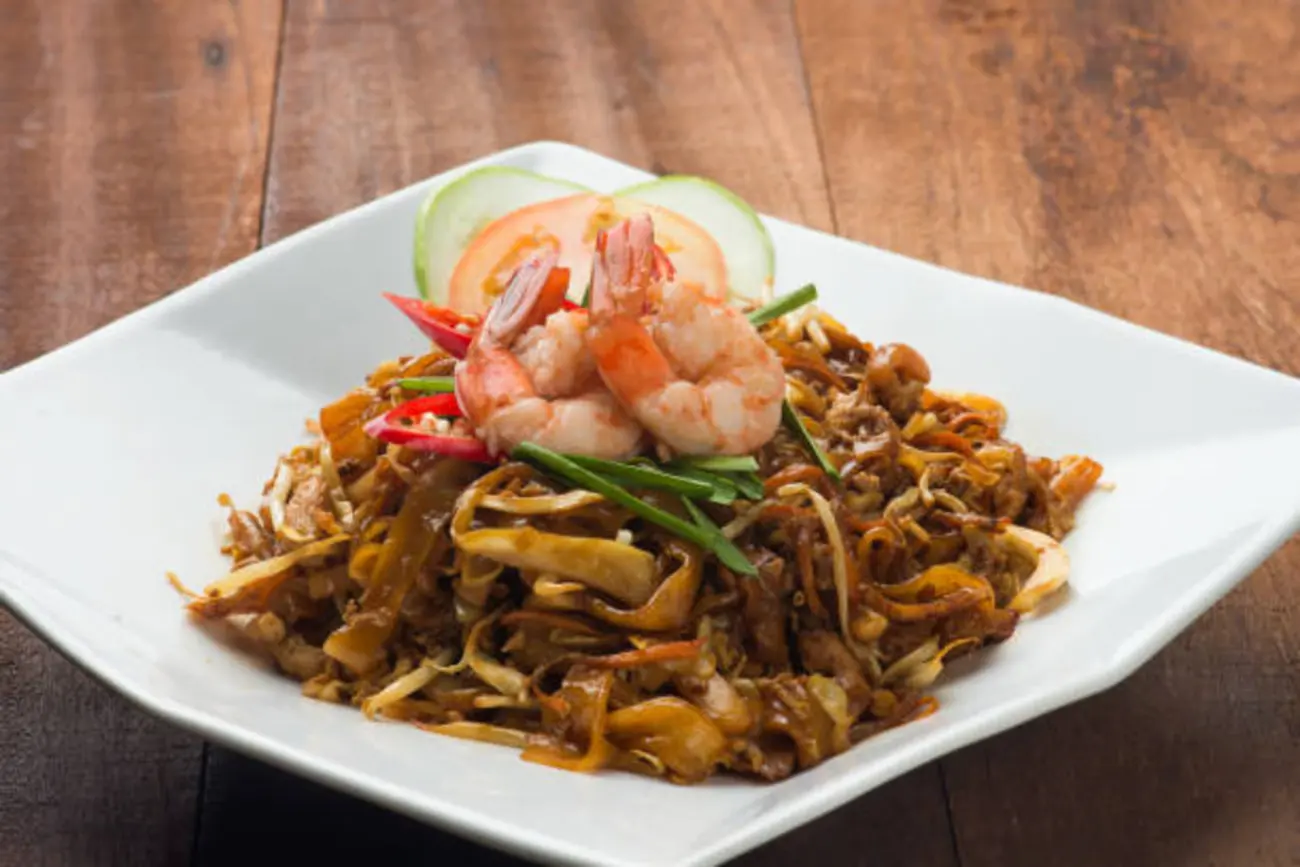
Char Kway Teow
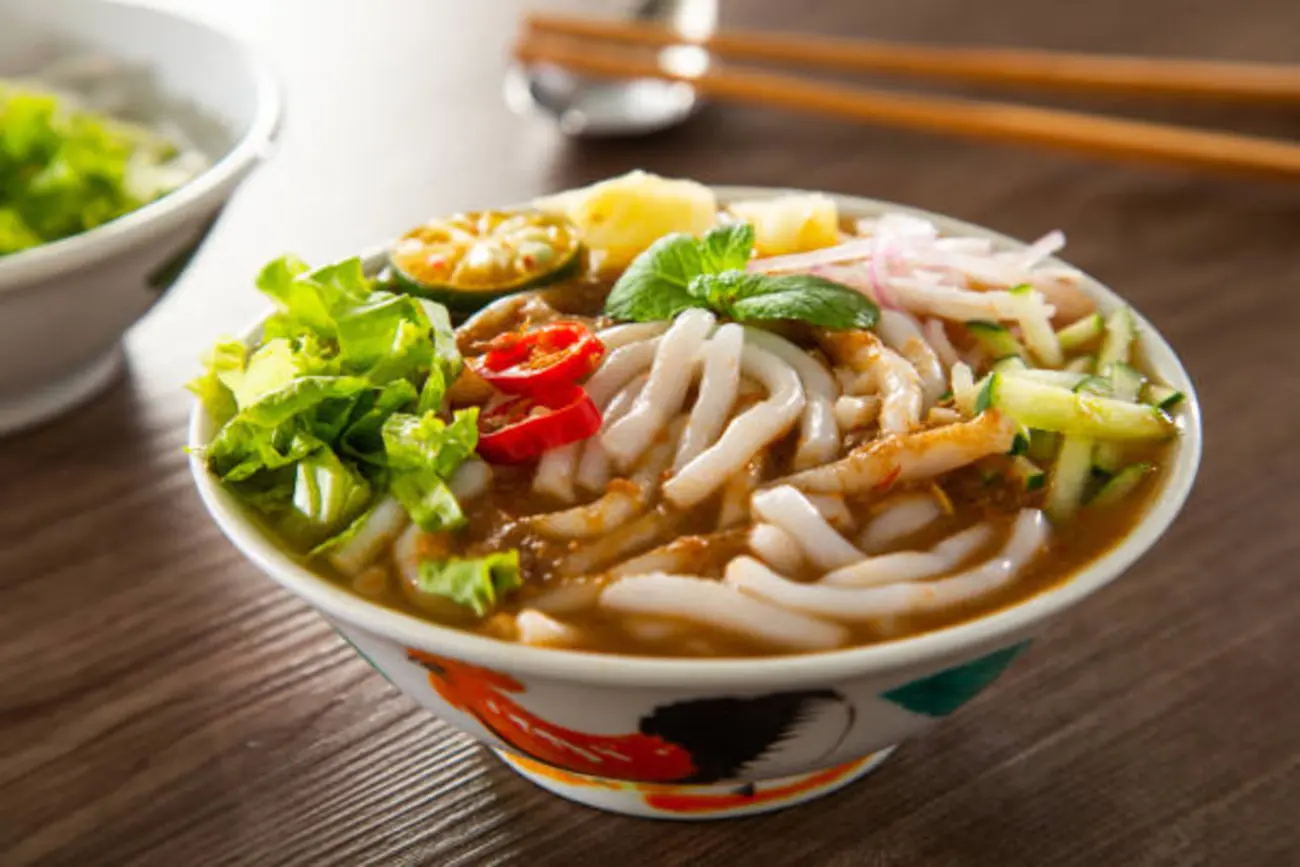
Laksa
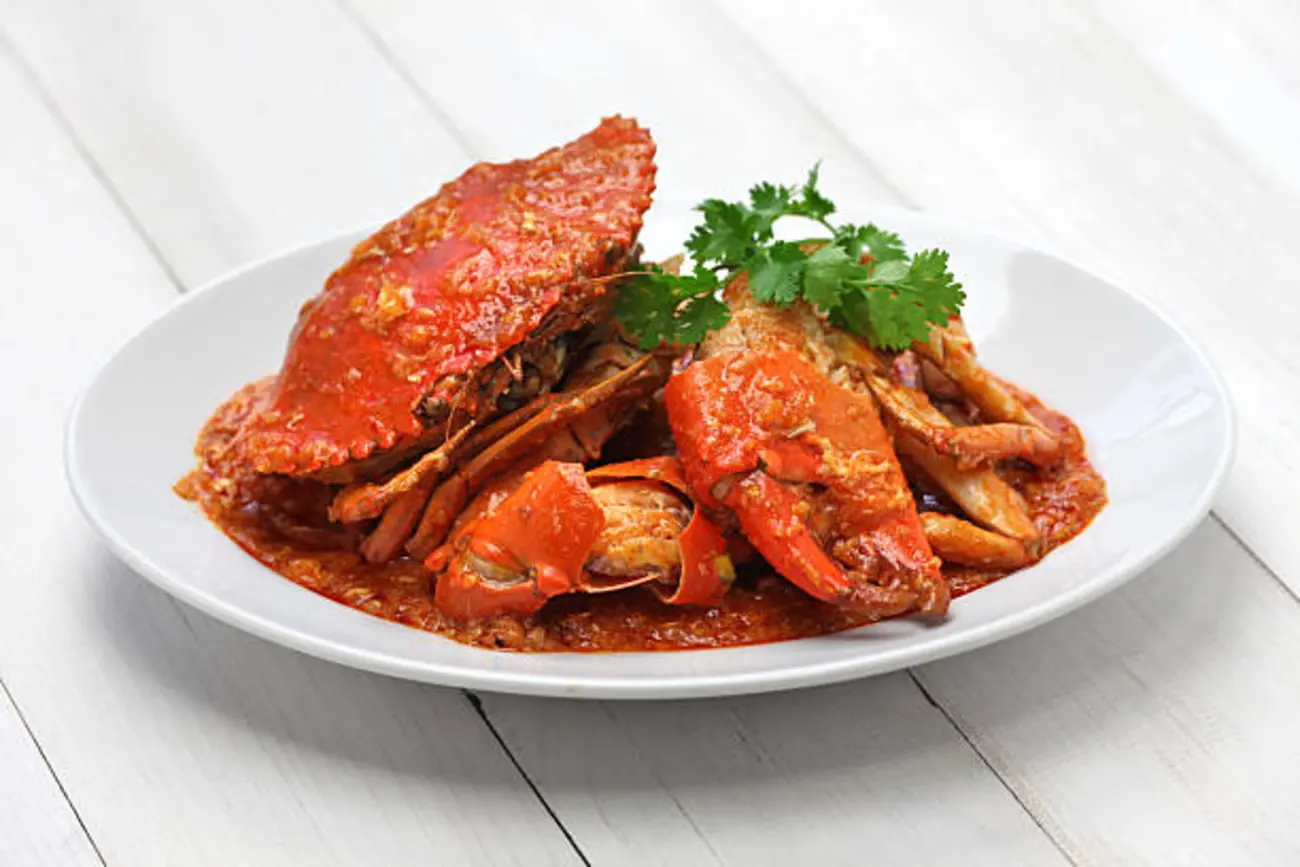
Chilli Crab
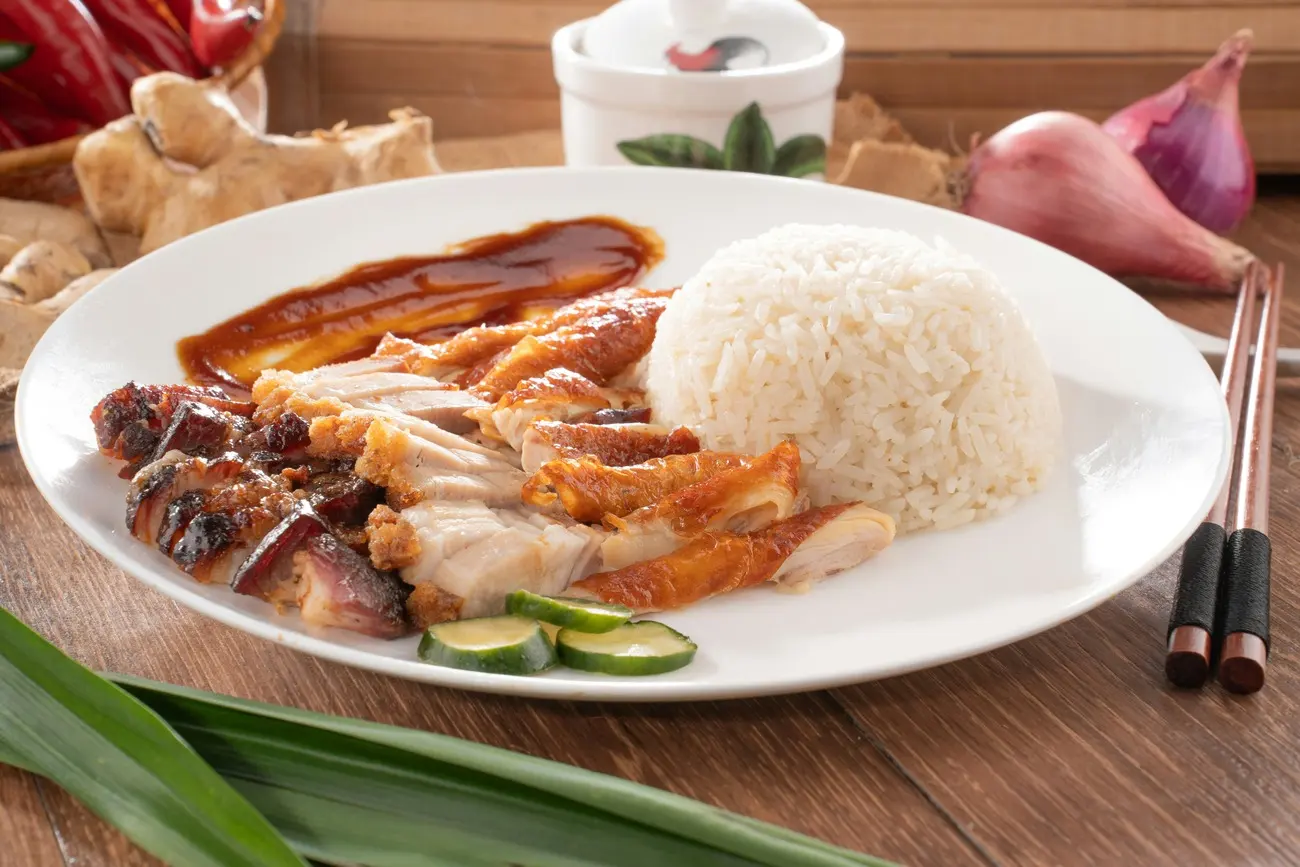
Hainanese Chicken Rice
Moussaka
Greek Salad
Spanakopita
Greek Chicken Souvlaki Recipe with Tzatziki
Bianco Fish
Private Chartered Boats Now Available in Mykonos, Greece
The Indian Traveller's Guide to Greece: Beyond the Usual!
21 Best Things To Do in Paros, Greece
Greece Family Holidays: Ultimate Guide to Perfect Family Vacations
Visit The Navagio Beach Shipwreck In Zakynthos

Journey through the timeless beauty of Greece’s Destinations
MyKonoos Gateway to Extraordinary Experiences

Travel: Explore. Dream. Discover.

Greece Awaits: Your Guide to Exploring Its Rich Heritage and Stunning Islands

Discover the Magic of Greece’s Historic Heart: Acropolis

Experience the Timeless Charm of Greece’s Historic Heart : Ancient Agora